Which Small Pet Fits Your Life?
Choosing a small pet is not simply a matter of picking the one that looks cutest in a display case. Each species has evolved different social structures, activity rhythms, and care requirements. Making a good match from the start sets you and your animal up for a much better experience.
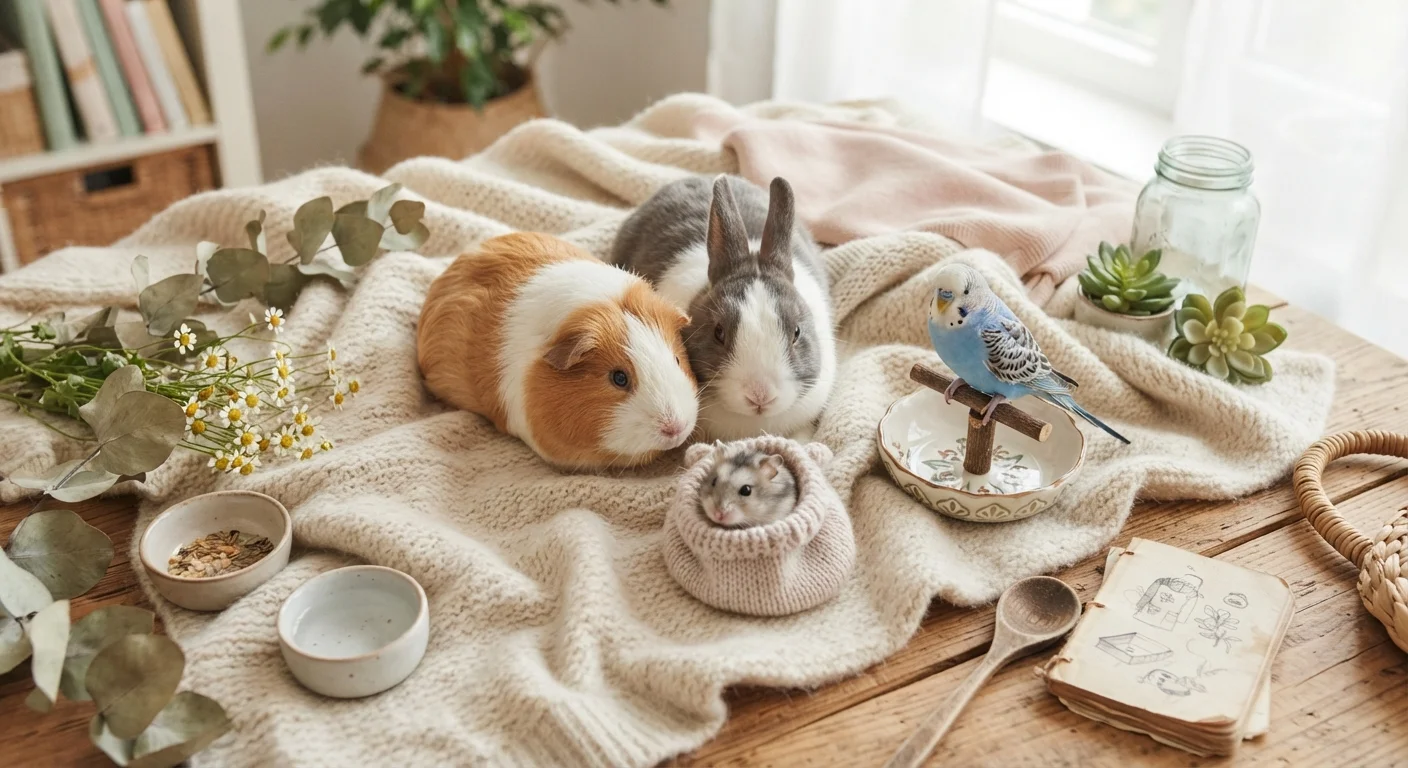
Here is a brief species-by-species snapshot:
- Rabbits are intelligent, social, and need substantial space. They bond deeply with attentive owners but require daily interaction, a hay-heavy diet, and regular veterinary care from someone experienced with lagomorphs.
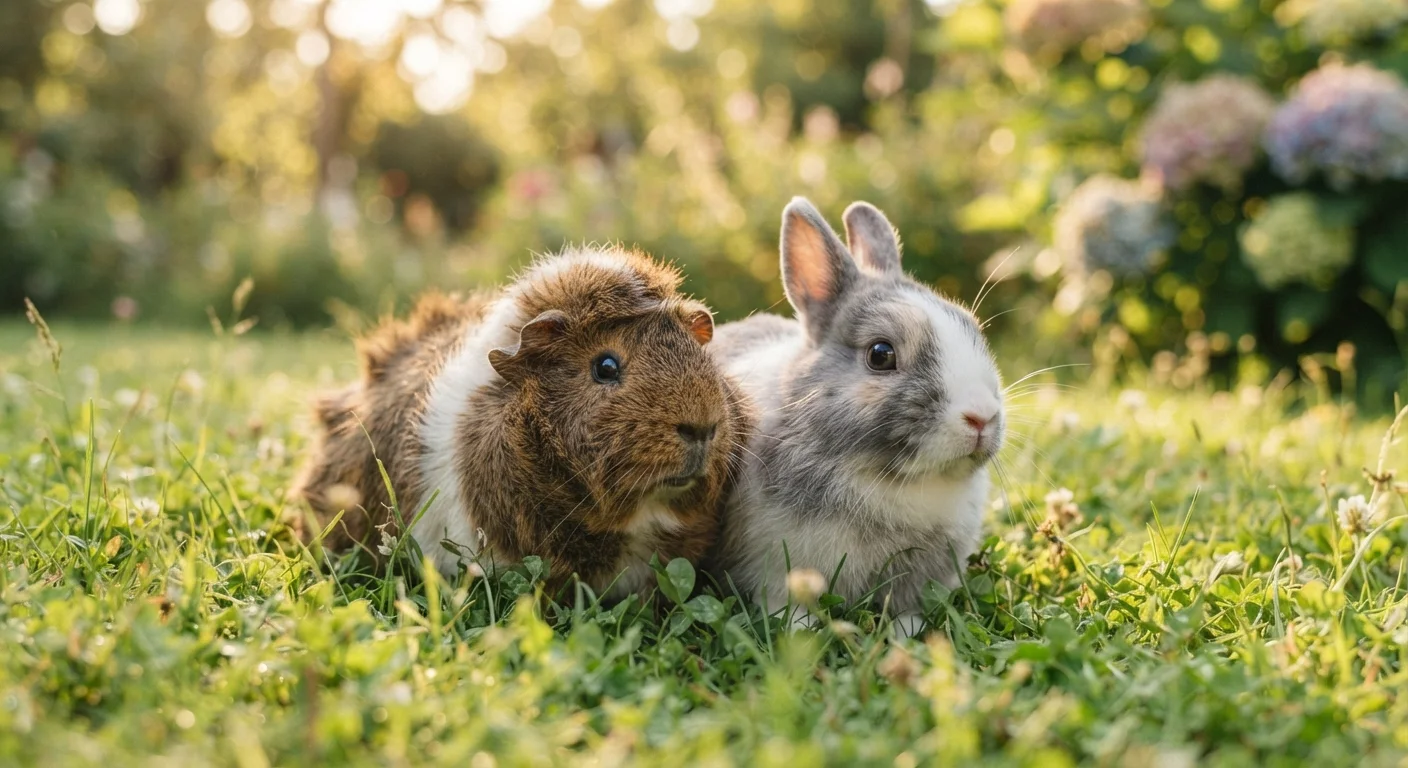
- Guinea pigs are gentle prey animals that vocalize expressively and generally thrive in same-sex pairs. They are often considered a good fit for patient, hands-on owners. See how they compare with rabbits in our guinea pig vs. rabbit comparison.
- Hamsters are largely nocturnal and solitary. Most species are best housed alone and are most active in the evening and overnight - an important consideration if light sleep is a concern.
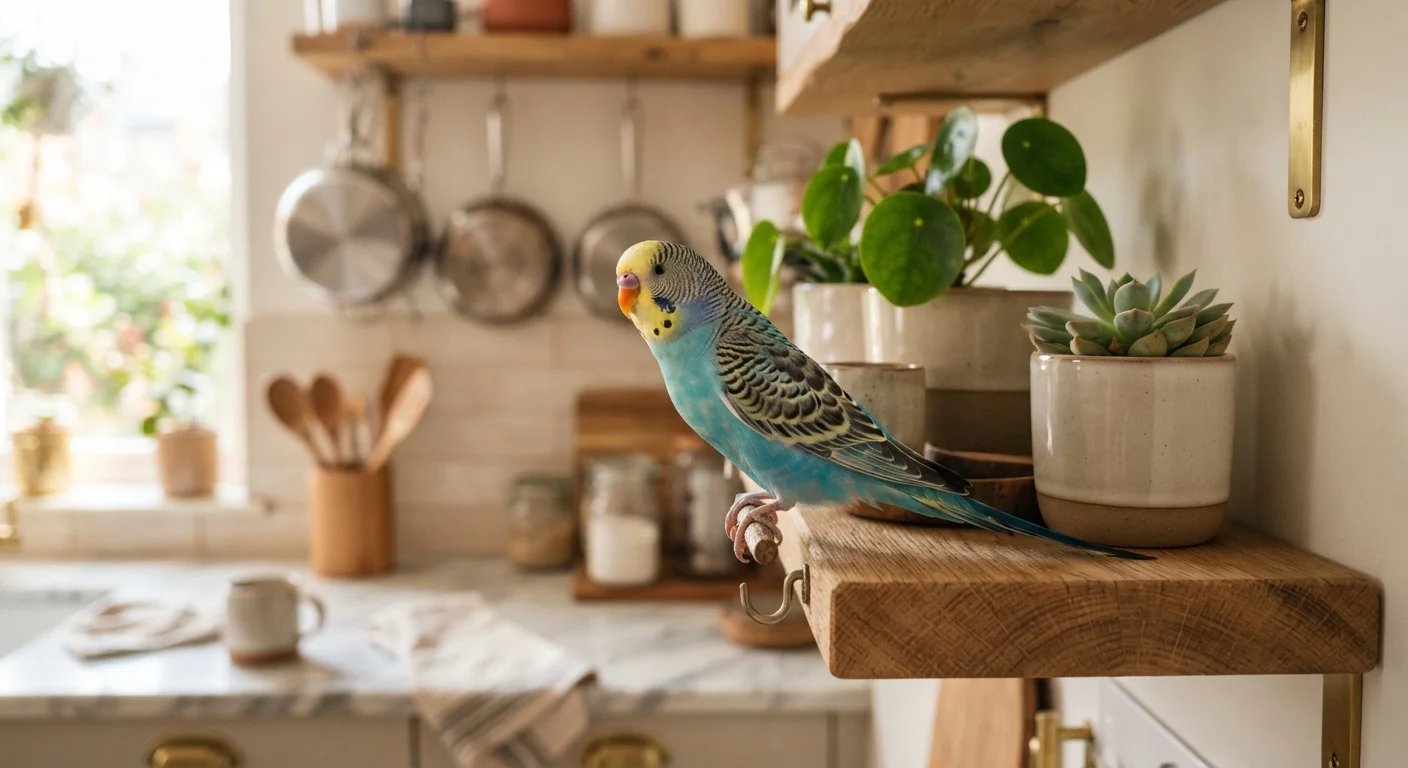
- Pet birds (budgerigars, cockatiels, and similar species) are highly intelligent, often loud, and need significant out-of-cage time and mental stimulation. They also have sensitive respiratory systems - our article on indoor bird safety hazards is essential reading before you bring one home.
If you want a structured checklist before committing, the small pet preparation checklist walks through supplies, schedules, and home readiness.
Housing and Environment Basics
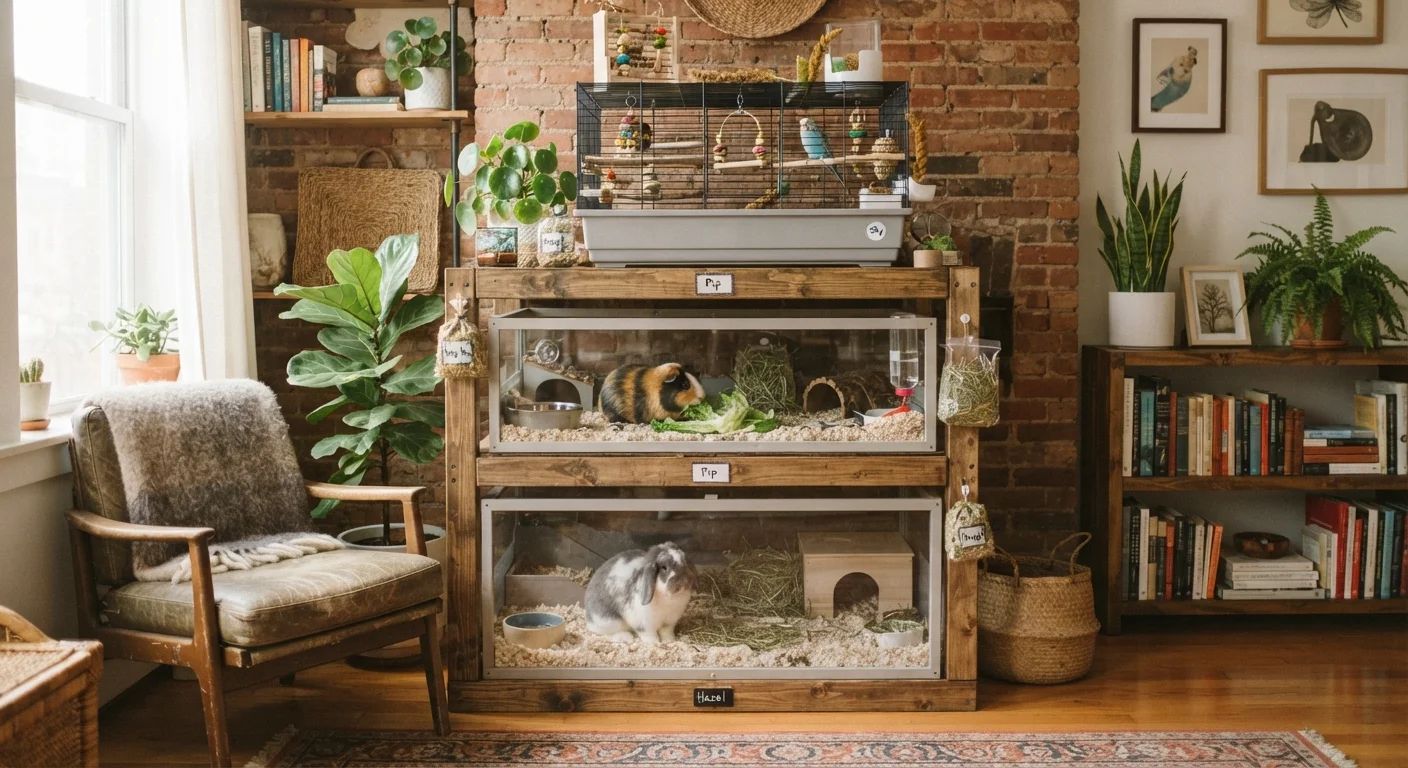
Enclosure size is one of the areas where new owners most frequently fall short - often because commercial starter cages are designed for shelf space, not animal welfare. As a rule, more space is always better.
Measure Before You Buy a Habitat
Look up current minimum enclosure dimensions from a reputable exotic-animal or species-specific welfare organization before purchasing any habitat. Many commercially sold starter kits fall below recommended sizes. Buying appropriately sized housing from the outset avoids costly upgrades - and prevents welfare problems - down the line.
- Rabbits need enough horizontal room to perform their full range of natural movements and should have access to a larger exercise area daily. Wire-bottomed cages are generally discouraged by rabbit welfare groups because they can injure sensitive hock joints.
- Guinea pigs need continuous floor space - multi-level cages with ramps are less appropriate for them because they do not naturally climb.
- Hamsters require deeper bedding (at minimum 6 inches, with some welfare organizations recommending significantly more) to allow burrowing, which is a core behavioral need.
- Birds need bar spacing appropriate for their species and room to fully extend and flap their wings inside the cage.
Temperature, ventilation, and placement also matter. Keep enclosures away from drafts, direct sunlight, and kitchen fumes. Because rabbits, guinea pigs, and birds are all prey species, even subtle environmental stressors can impact their health - our article on how prey animals experience stress explains the underlying physiology.
Feeding Your Small Pet Right
Diet is highly species-specific among small pets, and popular misconceptions can cause real harm. Never assume that what works for one species transfers to another.
Hay (grass hay)
Dried grasses such as timothy or orchard grass that form the dietary foundation for rabbits and guinea pigs, providing the fiber their digestive systems require to function properly.
Lagomorph
The mammal order that includes rabbits and hares - a distinct group from rodents, despite a superficial resemblance. Rabbits have unique digestive and dental needs that differ from guinea pigs or hamsters.
Prey species
Animals that are hunted by predators in the wild. Rabbits, guinea pigs, and many birds are prey species and instinctively conceal signs of illness or weakness - making owner observation and routine vet checks especially important.
Cecotropes
Soft, nutrient-rich droppings that rabbits produce and re-ingest directly from their hindquarters. This is a normal and necessary part of rabbit digestion, not a sign of illness.
Vitamin C (ascorbic acid)
A nutrient guinea pigs cannot manufacture in their own bodies and must consume daily through fresh food. Deficiency causes a condition called scurvy, which is entirely preventable with proper diet.
Enrichment
Activities, objects, and environmental features that allow animals to express natural behaviors - such as foraging, burrowing, or chewing - improving their mental and physical wellbeing.
- Rabbits and guinea pigs are herbivores whose digestive systems are built around high-fiber plant material. Unlimited grass hay (such as timothy for adults) should make up the majority of their daily intake. Pellets serve as a supplement, not a staple. Guinea pigs - unlike rabbits - cannot synthesize their own vitamin C and must obtain it through fresh food daily. Our companion piece on rabbit diet myths debunks some of the most common misconceptions.
- Hamsters are omnivores in the wild. Commercial hamster mixes, supplemented with small amounts of fresh vegetables and occasional protein, more closely match their natural dietary pattern than seed-only mixes.
- Birds need a diet tailored to their species - seed-only diets are nutritionally incomplete for most companion birds and are associated with obesity and deficiency diseases.
For a plain-language breakdown of nutrition terminology across all small pets, see our guide on small animal nutrition key terms.
Health, Handling, and Vet Care
Small pets are prey animals. In nature, appearing sick makes an animal a target, so they instinctively conceal signs of illness until they are seriously unwell. This means routine, observant care from owners - and access to a qualified vet - is not optional.
Key health practices include:
- Find a small-animal or exotic vet before you bring your pet home. Not all general veterinary practices see rabbits, guinea pigs, or birds. Locate an experienced provider in advance so you are not searching during an emergency.
- Learn your animal's baselines. Know what normal droppings, behavior, posture, and appetite look like for your species so deviations stand out quickly. Our article on signs of illness in small animals covers the warning signs that warrant prompt veterinary attention.
- Handle gently and correctly. Incorrect handling - especially supporting the hindquarters of rabbits improperly - can cause serious injury. Learn species-appropriate handling techniques from your vet or a reputable animal welfare organization.
Small Pets Can Decline Rapidly
Because prey animals hide illness instinctively, a small pet that appears slightly off may already be seriously unwell. If you notice reduced appetite, abnormal droppings, labored breathing, or unusual lethargy, contact an exotic or small-animal vet promptly rather than taking a wait-and-see approach. Time matters considerably with small species.
This article provides general educational information about small pet care and is not a substitute for professional veterinary advice. Always consult a qualified veterinarian for your individual animal's health needs.
Social Needs and Enrichment
Mental stimulation and appropriate social interaction are as important as food and shelter for small pets. Boredom and isolation are associated with stress-related behaviors including bar-chewing, over-grooming, and lethargy.
Social needs vary sharply by species. Guinea pigs are highly gregarious and typically do best with a companion of the same species. Rabbits also benefit from companionship, but introductions must be managed carefully to prevent fighting. Hamsters, by contrast, are generally solitary - housing two Syrian hamsters together often leads to serious injury or death. Our detailed guide on socializing small pets by species covers introductions and housing compatibility for each animal.
Enrichment does not need to be elaborate. Foraging opportunities, tunnels, chew items, and varied textures can meaningfully improve daily welfare. For practical ideas tailored to each species, see enrichment ideas for small animals.
Small pet ownership is genuinely rewarding when owners go in well-informed. The investment of time spent learning before your animal arrives pays off in better welfare outcomes and a stronger bond between owner and pet.