What Separation Anxiety Actually Is
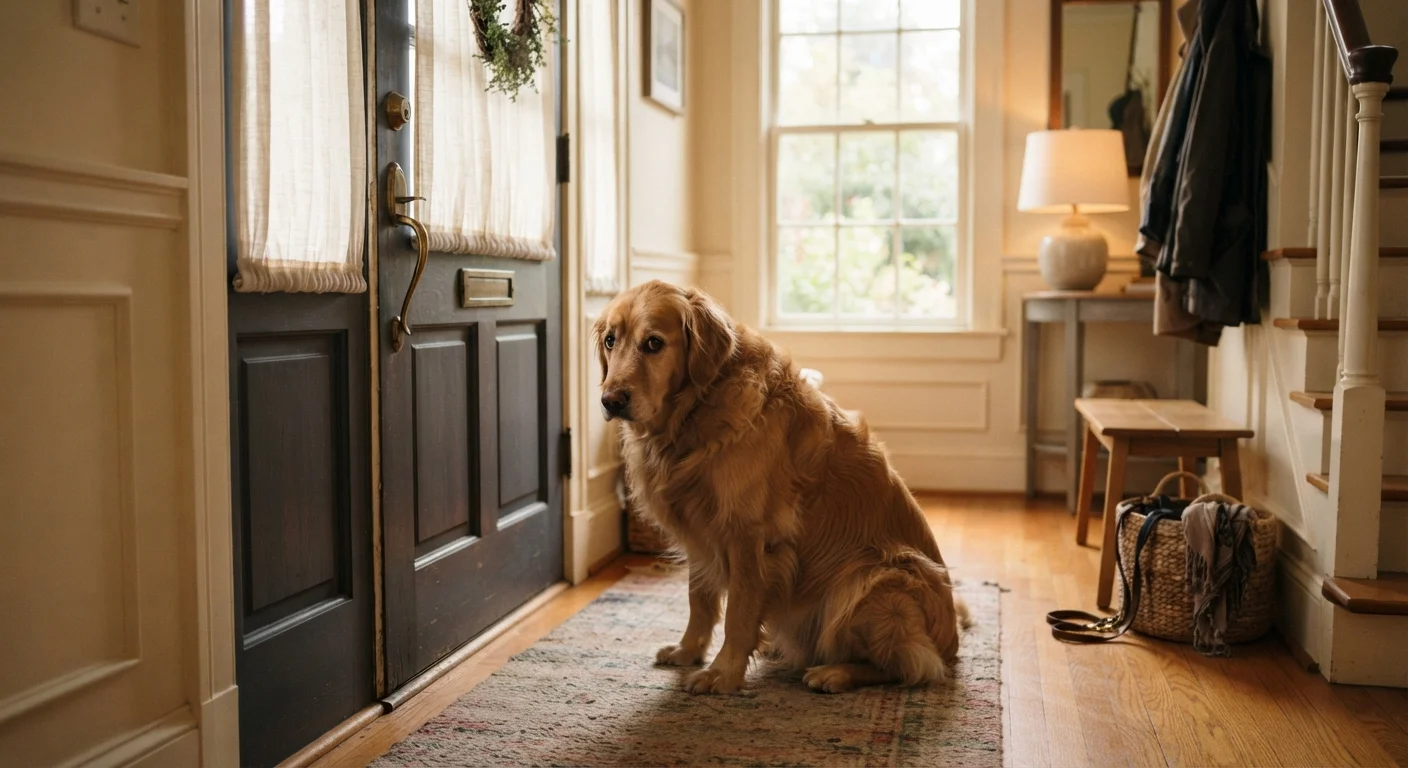
Separation anxiety is a behavioral and emotional disorder in which a dog experiences significant distress when left alone or separated from a primary attachment figure. The key distinction veterinary behaviorists draw is that this is not misbehavior - it is a panic response. The dog is not destroying furniture out of boredom or revenge; it is experiencing genuine fear.
Clinically, separation anxiety exists on a spectrum. Mild cases may involve a dog pacing or whining for a few minutes after you leave, then settling. Severe cases can involve self-injury, relentless vocalization, and complete inability to relax in the owner's absence. Understanding where your dog falls on that spectrum shapes every management decision you'll make.
It's also worth distinguishing separation anxiety from isolation distress - a related but different condition. Dogs with isolation distress become distressed when alone, but calm down if any person (not just their owner) is present. Dogs with true separation anxiety typically fixate on one or two specific individuals. Knowing which pattern applies helps target the right intervention.
To read the behavioral signals your dog may already be sending you, see our guide on what your dog's body language is actually telling you.
Root Causes and Risk Factors
No single cause explains separation anxiety across all dogs, but research and clinical observation point to several consistent contributing factors:
- Genetics and temperament: Some dogs are predisposed toward anxious behavior, and certain breeds with high human-bonding traits may be more susceptible.
- Early life experience: Inadequate socialization, early weaning, or time in a shelter environment can increase vulnerability.
- Sudden schedule changes: A shift from someone being home all day to extended absences - a common trigger - can precipitate anxiety in dogs that previously tolerated solitude.
- Loss or change: The departure of a family member, death of another pet, or a household move can destabilize a dog's sense of security.
- Reinforcement history: While not a primary cause, dogs that have been inadvertently reinforced for clingy behavior may develop stronger attachment patterns over time.
Before beginning any desensitization program, film at least two full absences - one short and one of your typical duration. Knowing your dog's actual threshold (the point at which distress begins) is essential for setting your starting point correctly.
Behavioral intervention must be calibrated below the dog's distress threshold to be effective. Guessing at that threshold often means starting too advanced, which reinforces panic rather than reducing it.
Avoid returning home while your dog is actively vocalizing. Wait for even a brief pause before entering - this prevents the dog from learning that barking brings you back.
Operant conditioning principles suggest that a behavior followed by a desired outcome is more likely to be repeated. Inadvertently reinforcing vocalization can entrench it as a coping and communication strategy.
Medical conditions can also manifest as or worsen anxiety-like behavior. Pain, cognitive dysfunction in older dogs, and hormonal imbalances are all worth ruling out before attributing distress solely to behavioral causes. Our article on signs of pain in dogs that owners often miss covers subtle physical cues that are easy to overlook.
Recognizing the Patterns
Separation anxiety tends to follow a predictable behavioral signature. Owners often describe clusters of behavior that begin during pre-departure cues - when you pick up your keys or put on your coat - and escalate once you've left.
~17%
Dogs estimated to have separation anxiety
Prevalence estimates in peer-reviewed veterinary literature generally range from 14-20% of the domestic dog population.
Top 3
Reason dogs are relinquished to shelters
Separation anxiety and related behavioral issues are consistently cited among the leading reasons owners surrender dogs, according to shelter intake data.
Common Signs
- Excessive vocalization (barking, howling, whining) shortly after departure
- Destructive behavior, particularly near exits such as doors and windows
- House-soiling despite being reliably house-trained
- Pacing, trembling, or drooling
- Attempts to escape, sometimes resulting in self-injury
- Hyper-attachment when the owner is present - following room to room, inability to settle independently
Video recording your dog during absences is one of the most useful diagnostic tools available. Many owners are surprised to find their dog is distressed within minutes of departure - or, conversely, that what they assumed was anxiety is actually boredom-driven behavior that resolves on its own. This distinction matters because the interventions differ significantly.
Some of these signs overlap with other conditions. Our resource on when normal dog behavior actually warrants a vet visit can help you decide when to seek professional input.
Evidence-Based Management Approaches
Effective management of separation anxiety typically involves a combination of behavioral modification, environmental adjustments, and, in moderate-to-severe cases, veterinary support.
Start Shorter Than You Think You Need To
When beginning desensitization, most owners significantly underestimate how short the initial absences need to be. If your dog begins showing distress after 30 seconds, your starting point may need to be 5-10 seconds. Building a rock-solid foundation at very short durations accelerates long-term progress. Patience at the early stage pays dividends later.
Graduated Desensitization
The most evidence-supported behavioral approach involves systematically exposing your dog to departure cues and absences at an intensity below the threshold that triggers panic - then gradually increasing duration. This means starting with absences of seconds rather than hours, building tolerance incrementally. Progress can be slow, and rushing the process typically sets it back.
Departure Routine Modification
Varying your pre-departure cues - putting on a coat without leaving, picking up keys and then sitting down - can reduce the dog's anticipatory anxiety. Making arrivals and departures low-key, rather than emotionally charged, also helps reduce the contrast between your presence and absence.
Enrichment and Independence Training
Puzzle feeders, food-stuffed toys, and scatter feeding can give a dog something to focus on at departure. Separately, teaching your dog to settle comfortably at a distance from you - through mat training and gradually increasing out-of-sight time while you're still home - builds the foundational skill of independent relaxation.
Environmental Support
Some dogs benefit from a crate that functions as a den-like refuge, while others find confinement intensifying. Background noise (radio, white noise) may buffer startle responses for some individuals. These are individualized interventions: what helps one dog may increase distress in another.
When to Involve a Professional
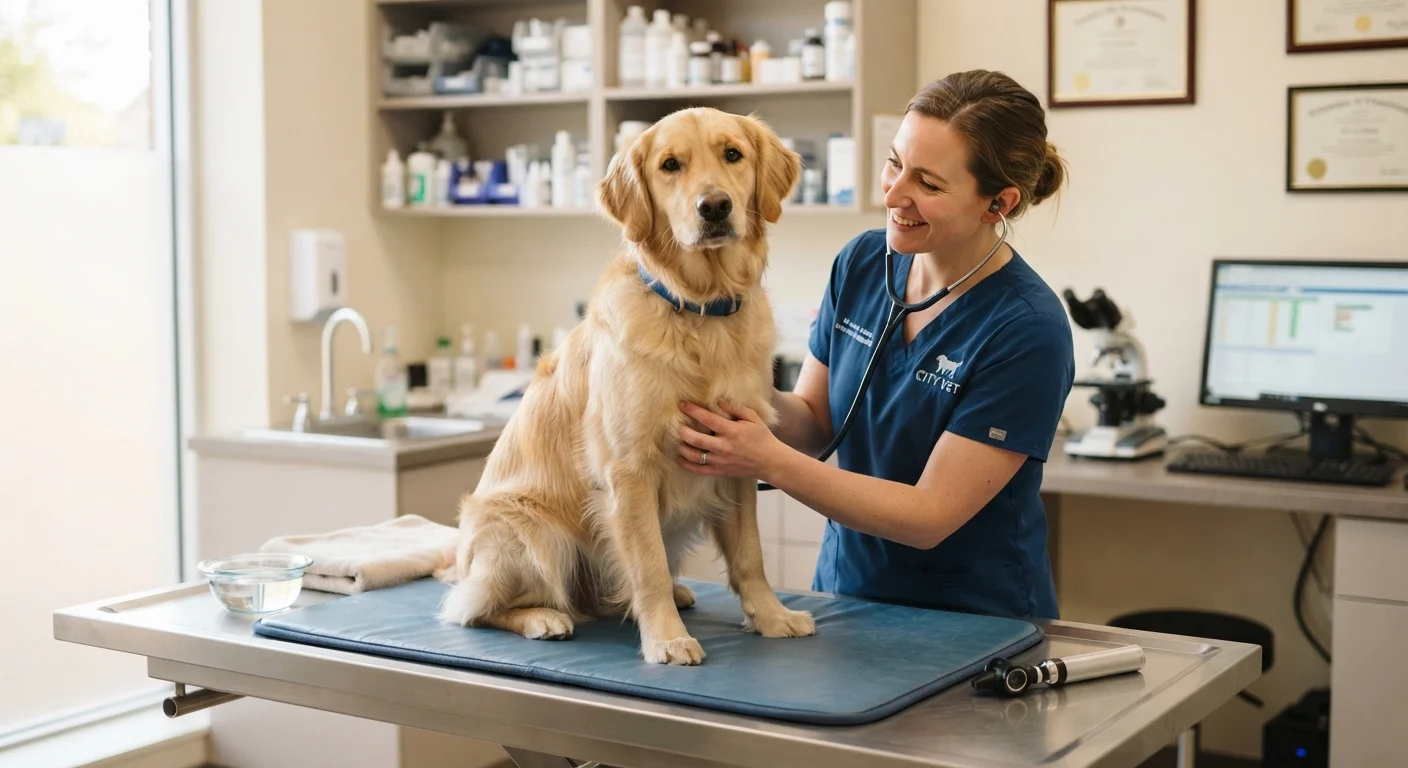
Mild separation anxiety may respond to owner-led behavioral work, but moderate-to-severe cases warrant professional evaluation. A veterinarian is the right first contact - they can rule out medical contributors and, when appropriate, refer to a board-certified veterinary behaviorist (DACVB) or a certified applied animal behaviorist (CAAB).
Avoid Punishment-Based Responses
Punishing a dog for destruction or house-soiling that occurred during an absence is ineffective and can worsen anxiety. Dogs do not connect after-the-fact punishment with behavior that happened earlier. Punishment in this context increases stress and erodes the owner-dog relationship - the opposite of what recovery requires.
Medication is sometimes a component of treatment for dogs with significant anxiety. When used, it is prescribed and monitored by a veterinarian as part of a broader behavior modification plan - not as a standalone solution. Medication can lower the anxiety baseline enough that behavioral training becomes effective. This is a clinical decision that requires professional assessment.
If you are welcoming a new dog and want to build habits that support emotional resilience from day one, our guide on bringing a dog home for the first time outlines foundational routine-building that can reduce the risk of anxiety developing.
This article provides general educational information about canine behavior and is not a substitute for professional veterinary or behavioral advice. If your dog is showing signs of significant distress, consult a licensed veterinarian or qualified animal behaviorist for individualized guidance.