
What the Research Actually Says
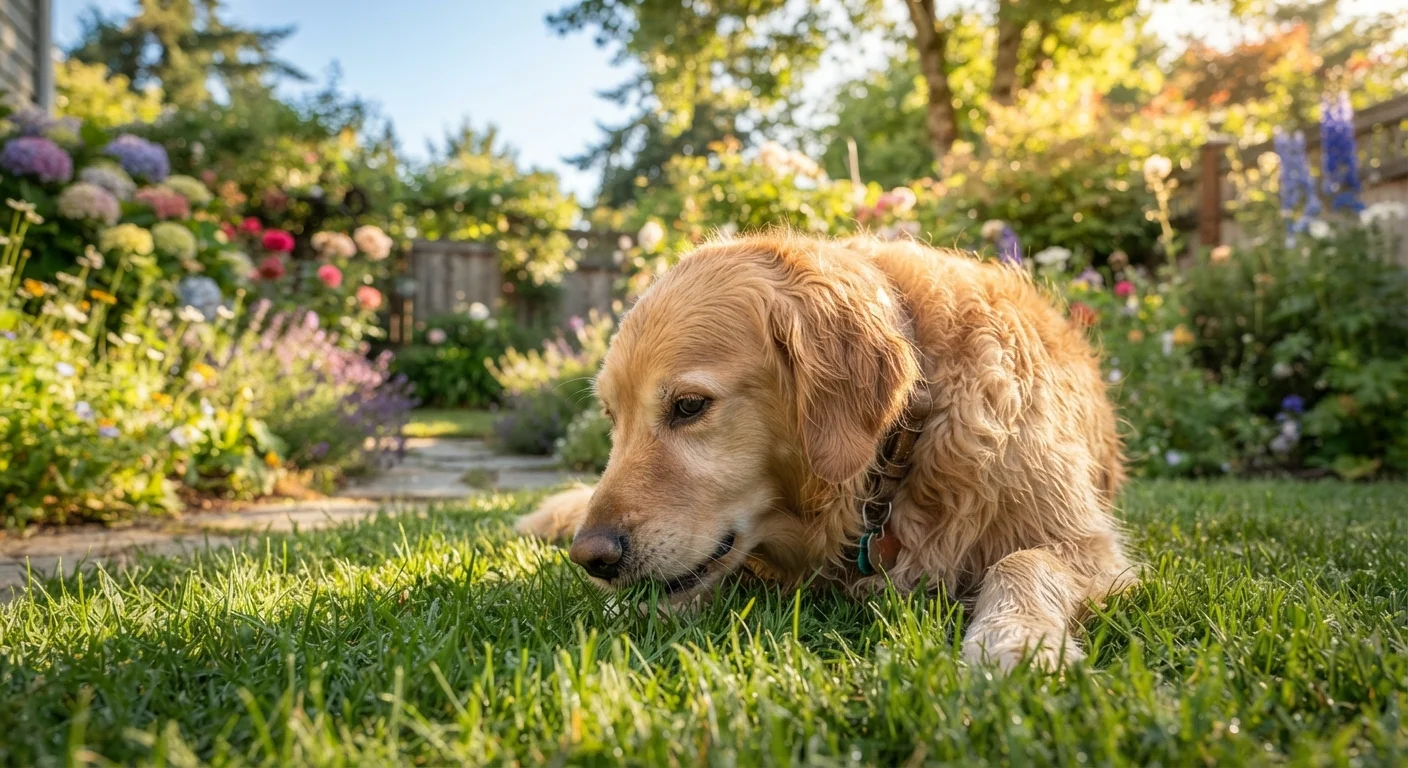
For decades, the common assumption was that dogs eat grass to make themselves vomit when they feel unwell. A study published in Applied Animal Behaviour Science challenged that narrative directly. Researchers found that fewer than 25% of dogs that ate grass vomited afterward, and fewer than 10% appeared ill before the behavior began. The takeaway: vomiting and illness are not reliable explanations for most grass-eating episodes.
Grass consumption appears to be a deeply rooted behavior - one observed in wild canid relatives and even in dogs whose nutritional needs are fully met by commercial diets. It may simply be something dogs do, not a distress signal in most cases.
<25%
Dogs that vomit after eating grass
According to research published in Applied Animal Behaviour Science, fewer than one in four grass-eating dogs vomit afterward.
<10%
Dogs that appear ill before grazing
The same study found that fewer than 10% of dogs showed signs of illness prior to eating grass, undermining the "sick dog" theory.
79%
Dog owners who report grass-eating
Survey data from veterinary behavior researchers consistently shows grass consumption to be among the most commonly reported canine behaviors.
Why Dogs Eat Grass: The Leading Explanations
Veterinary and behavioral researchers have proposed several overlapping explanations:
- Instinct and ancestral behavior: Wild canids routinely consume plant material. Grass may be a carryover behavior retained from ancestors who ate prey whole - including stomach contents full of vegetation.
- Gastrointestinal relief: Some dogs may graze when experiencing mild stomach upset. The fibrous texture can stimulate intestinal movement or prompt vomiting, offering temporary relief.
- Dietary fiber gap: Dogs on low-fiber diets may seek grass as a roughage supplement. A veterinarian can assess whether a dietary adjustment is appropriate.
- Boredom or anxiety: Dogs with insufficient mental stimulation sometimes develop repetitive behaviors, including grass-eating. If your dog grazes mainly when under-exercised or left alone, enrichment may help more than dietary changes.
- They simply like it: Taste and texture appear to play a role for some dogs, particularly in spring when grass is tender and palatable.
Check Your Lawn Before Letting Dogs Graze
Before allowing your dog to nibble on grass, confirm the area has not been recently treated with pesticides, herbicides, or fertilizers. Even products labeled as "pet-safe" should be allowed to dry fully before pets have access. When in doubt, redirect your dog to an untreated patch or a safe indoor enrichment activity.
When Grass-Eating Becomes a Concern
Occasional, calm grazing is rarely alarming. The behavior shifts from benign to worth investigating when certain warning signs accompany it. Contact your veterinarian if you notice:
- Repeated, forceful vomiting after eating grass
- Blood in vomit or stool
- Sudden increase in grass-eating intensity
- Loss of appetite for regular food
- Lethargy, hunching, or visible abdominal discomfort
These signs may indicate gastrointestinal conditions - including parasites, inflammatory bowel disease, or gastric irritation - that require diagnosis and treatment. For a broader look at subtle distress signals dogs show, see our guide on signs of pain in dogs that owners often miss.
It's also worth knowing that behaviors we normalize can sometimes be early indicators of underlying conditions. Our article on when normal dog behavior warrants a vet visit covers this broader pattern.
Fiber Intake and Grass-Eating
Some veterinarians note that dogs on very low-fiber diets may seek out grass as a roughage source. If your dog eats grass frequently and you're unsure whether their diet is meeting fiber needs, a conversation with your veterinarian - rather than an immediate diet switch - is the right first move. Dietary changes in dogs should be gradual and guided by professional input.
Safety Considerations: Not All Grass Is Equal
The grass itself is rarely the hazard - what's on or near it often is. Pesticides, herbicides, and synthetic fertilizers applied to lawns can be toxic to dogs, even in small amounts. If your dog has access to treated areas, redirect them firmly. Post-application waiting periods vary by product; consult the product label or your veterinarian if exposure occurs.
Toxic plants that grow alongside or within grass - including wild mushrooms, foxglove, and certain ornamental ground covers - can be accidentally ingested during a grazing session. Familiarizing yourself with plants in your yard and neighborhood reduces this risk considerably.
This article is for general informational purposes only and does not constitute veterinary medical advice. Always consult a licensed veterinarian for guidance specific to your dog's health.