
Why Small Pets Hide Illness - and Why That's Dangerous
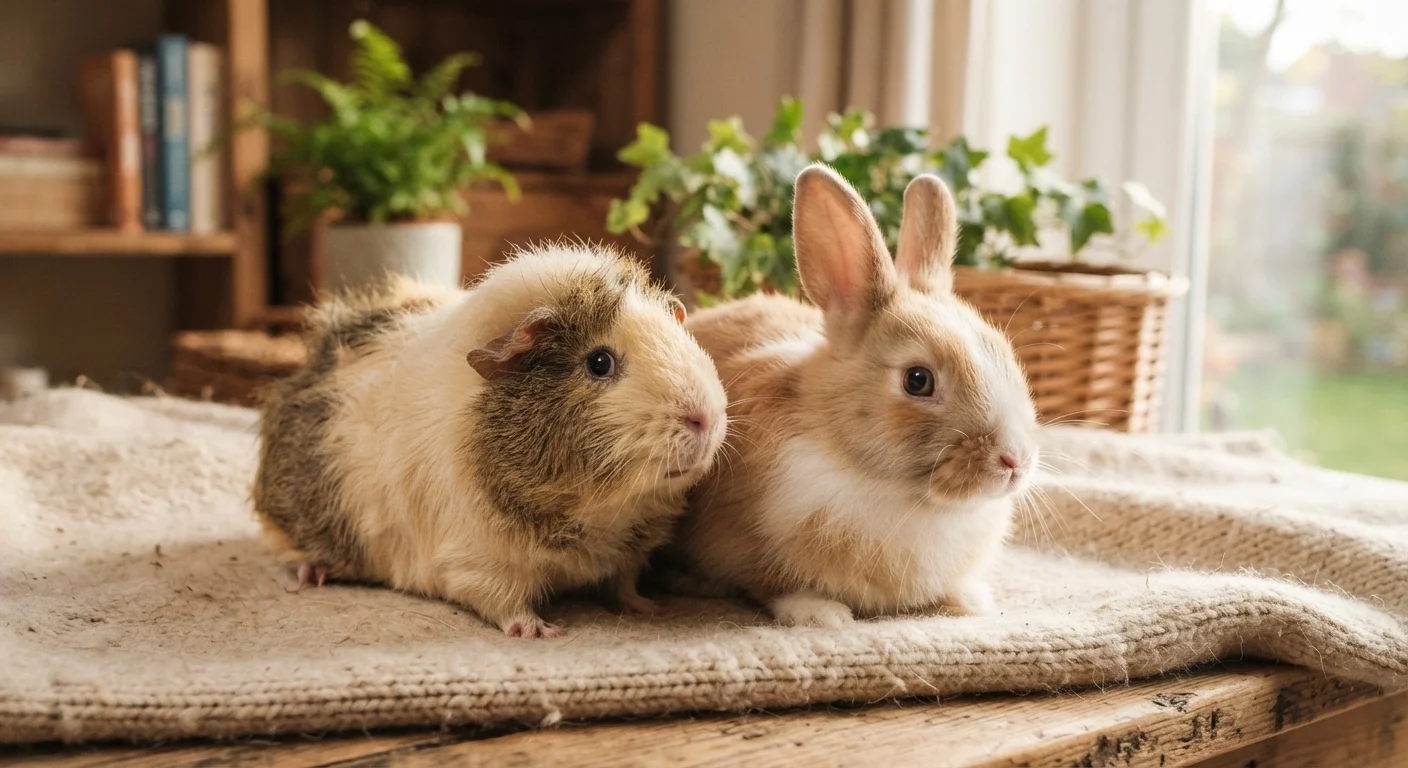
Rabbits, guinea pigs, hamsters, birds, and other small companion animals are prey species. Their survival instinct is to appear healthy even when they are not - a trait that served them well in the wild but puts domesticated pets at serious risk. By the time behavioral changes become obvious to an owner, the underlying condition may already be advanced.
This is why daily observation is the foundation of small-animal care. Owners who know their pet's normal baseline - typical food consumption, droppings, activity level, and posture - are far more likely to catch early warning signs. For a broader orientation to keeping small pets, see this starter's overview for new small-pet owners.
Universal Warning Signs Across Small Species
Certain symptoms are red flags regardless of species. If you observe any of the following, contact an exotic veterinarian promptly - do not wait to see if they resolve on their own.
- Reduced or absent food and water intake. A small animal that stops eating is a medical emergency, not a preference. This is especially critical in rabbits, where gut motility depends on continuous food passage.
- Labored or open-mouth breathing. Any visible respiratory effort, clicking, wheezing, or mouth-breathing is urgent. Healthy small animals breathe quietly through the nose.
- Lethargy or unusual stillness. A pet that sits hunched, fails to react to normal stimuli, or is reluctant to move needs evaluation.
- Changes in droppings. Diarrhea, absent droppings, or droppings that are dramatically smaller, misshapen, or coated in mucus all indicate a digestive problem.
- Unexplained weight loss. Difficult to detect by eye alone in small animals - regular gentle handling helps owners notice rib prominence or loss of body mass.
- Discharge from eyes, nose, or mouth. Any crusting, wetness, or discoloration around facial openings warrants prompt attention.
Species-Specific Signs Owners Should Know
Beyond universal warning signs, each small species has illness patterns that are easy to miss without specific knowledge.
Rabbits
Head tilt (torticollis) may come on suddenly and often signals inner ear infection or Encephalitozoon cuniculi, a parasitic infection. GI stasis - a slowing of gut movement - is among the most common emergencies and can be fatal within hours. Tooth grinding (distinct from normal cecotrope consumption sounds) often signals pain.
Guinea Pigs
Guinea pigs are particularly susceptible to respiratory infections and vitamin C deficiency (scurvy). Signs of scurvy include joint swelling, reluctance to move, and rough coat. A guinea pig that vocalizes less than usual, especially in a bonded pair, should be examined.
Hamsters
Hamsters commonly develop wet tail (proliferative ileitis), a bacterial gastrointestinal condition causing severe diarrhea and rapid dehydration. It is rapidly fatal if untreated. Overgrown or misaligned teeth (malocclusion) can prevent eating and may not be visible without lifting the lips.
Birds
Fluffed feathers combined with lethargy are among the most reliable distress signals in pet birds. Birds that sit low on a perch, close their eyes during the day, or stop vocalizing require immediate veterinary attention. Because birds mask illness aggressively, any behavioral change warrants contact with an avian-experienced veterinarian.
When to Act Immediately vs. Schedule Promptly
Some signs require same-day emergency care; others warrant a scheduled appointment within 24-48 hours. Use this general framework - it is not a substitute for veterinary judgment.
| Seek Emergency Care Now | Schedule Within 48 Hours |
|---|---|
| Open-mouth or labored breathing | Mild changes in stool consistency |
| Complete loss of appetite in a rabbit (over 4-6 hours) | Gradual weight loss over days |
| Wet tail in a hamster | Mild nasal discharge without other symptoms |
| Seizures or loss of coordination | Increased scratching or barbering |
| A bird sitting on the cage floor | Subtle change in vocalization patterns |
Recognizing these patterns in small animals follows similar principles to identifying distress in other companion species. Our guide on signs of pain in dogs that owners often miss illustrates how masking behavior appears across different species.
This article provides general educational information about small-animal health and is not a substitute for professional veterinary advice. Always consult a qualified exotic animal veterinarian for diagnosis, treatment, and guidance specific to your pet.