Your Driving Window Shrinks-A Lot
Most adult road trippers can comfortably push 8-10 hours of driving per day. Add children to the vehicle and that window typically contracts to 4-6 hours-sometimes less, depending on ages. This isn't a failure; it's the physics of children's bodies and attention spans. Young kids cannot safely remain restrained for extended stretches without movement breaks, and school-age children rarely last much past the 90-minute mark before discomfort starts compounding. Planning around a realistic daily driving limit-not an optimistic one-is the foundation every other family logistics decision is built on. Everything downstream, from overnight stop placement to attraction timing, flows from this single honest reckoning.
Stop Frequency and Stop Quality Both Matter
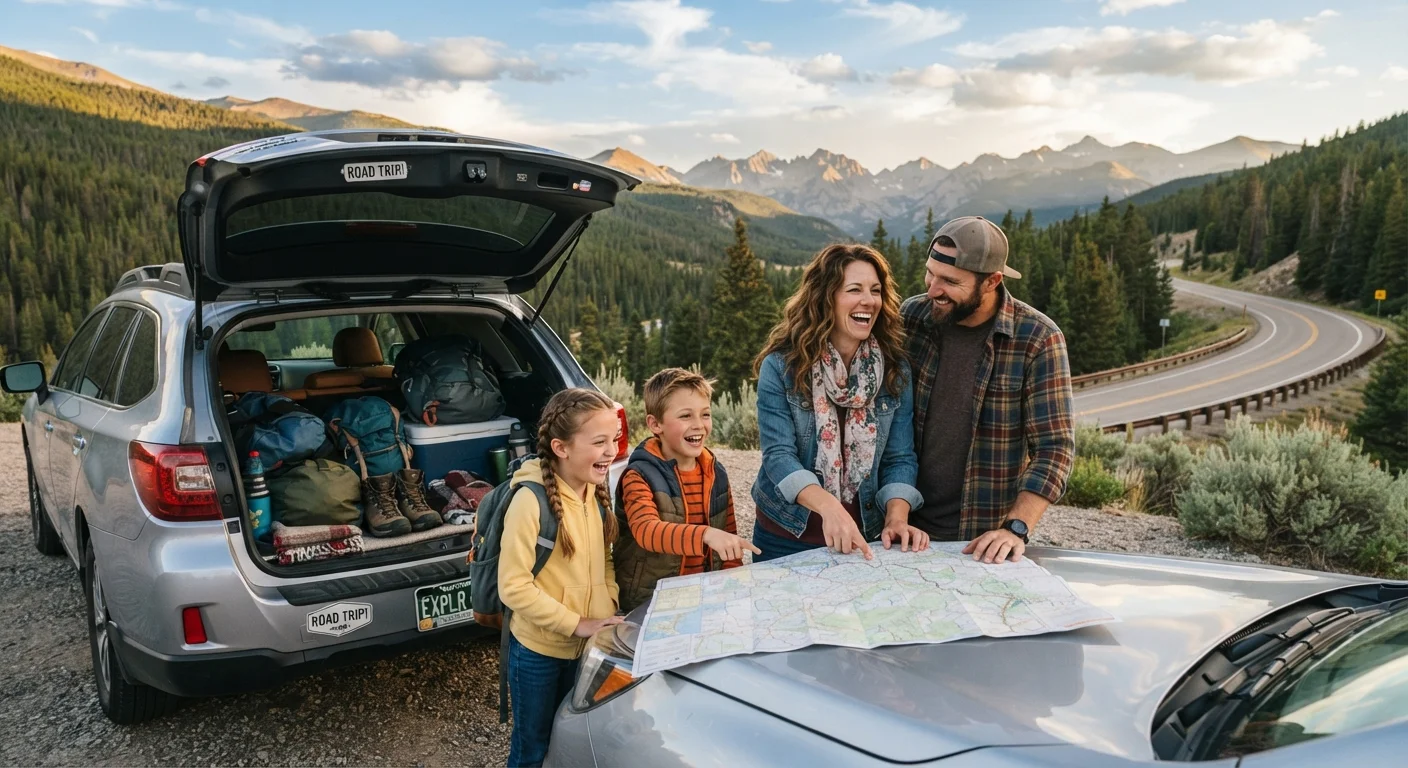
On adult road trips, rest stops are largely functional: fuel up, stretch, keep moving. With kids aboard, stops become micro-events that shape mood and energy for the next stretch of road. A rough guideline of one stop every 60-90 minutes works well for children under 10-compared to the 2-3 hour intervals most adult travelers prefer. But frequency alone isn't the whole picture. The quality of a stop matters as much as its regularity. A rest area with a grassy field or a short nature path is worth far more than a parking lot beside a vending machine. Mapping routes that string together playgrounds, riverside spots, or roadside natural areas isn't indulgent-it's strategic energy management that pays dividends over the full driving day.
Scout Stops Before You Drive
When mapping your route, switch to satellite view and look for parks, open fields, trailheads, or riverbanks near your planned rest points-not just parking lots. Five minutes of genuine running and climbing pays more dividends than 20 minutes of restless fidgeting in a vending-machine rest area. For a longer family road trip, pre-identifying two or three standout mid-drive stops can turn a logistical necessity into the highlights your kids actually talk about afterward.
Route Logic Shifts Toward Infrastructure
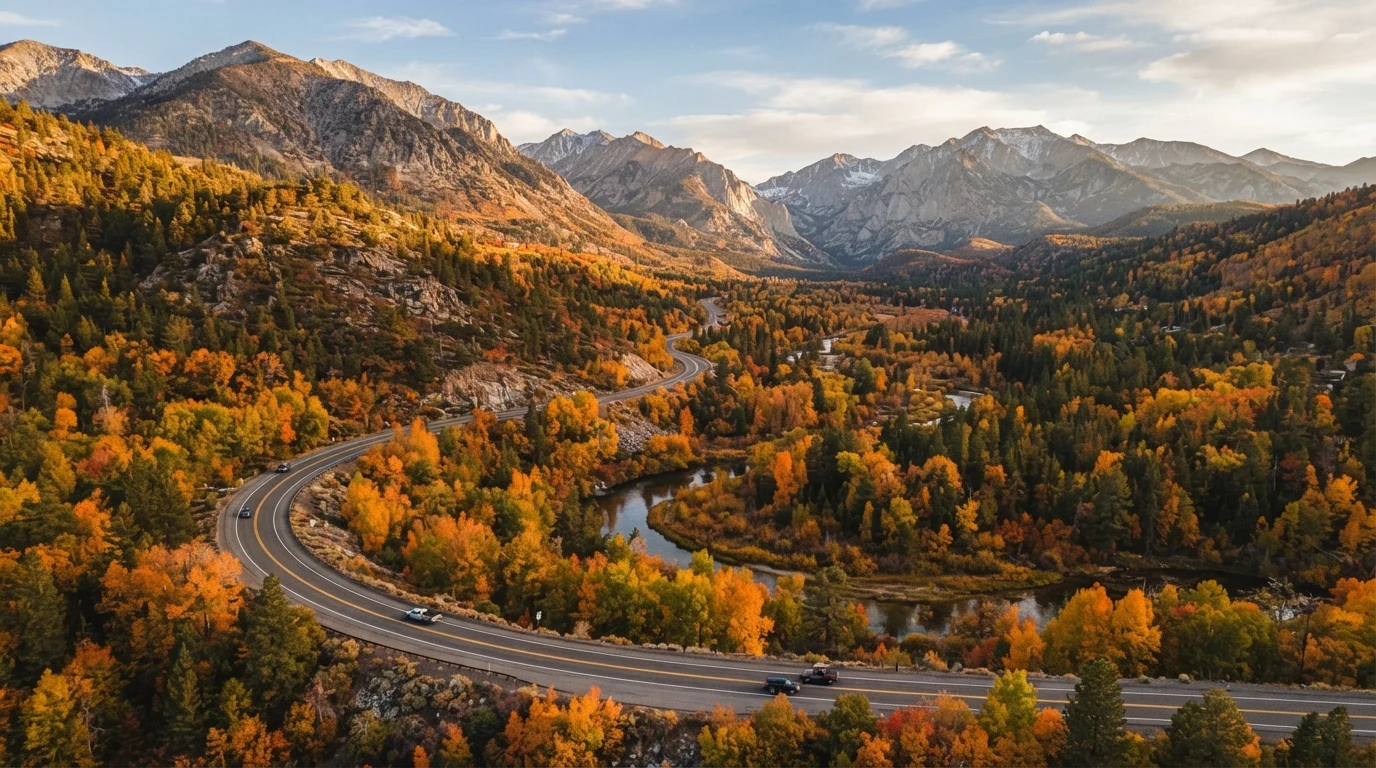
Adult road trippers often romanticize the loneliest two-lane highways-minimal services, maximum solitude. Those same stretches can become genuine stress points when children are aboard. Family route planning naturally gravitates toward corridors with reliable fuel spacing, accessible food options, and cell coverage for emergencies, rather than the most remote scenic option available. That said, scenery and practicality aren't mutually exclusive. The Blue Ridge Parkway offers constant overlooks with regular pull-offs; US-89 through southern Utah connects national monument access with small towns in close succession. Many iconic routes thread the needle beautifully. Always verify current services and road conditions through official state or park sources before you depart-service availability shifts with season and circumstances.
Remote Roads Require Extra Preparation
Some of the US's most photogenic routes have long gaps between fuel stations, cell coverage, and medical services. These roads are absolutely worth exploring with children, but doing so responsibly means researching service availability in advance, starting each leg with a full tank, and downloading offline maps as a backup. Always verify current conditions and any seasonal closures through official state or national park sources before you go.
Contingency Time Is the Real Currency
The single biggest logistical difference between a child-free road trip and a family drive isn't gear or route choice-it's slack time. Kids get sick unexpectedly. Bathroom emergencies arrive with zero warning. A river swimming hole that adults would admire from the window requires two glorious, chaotic hours of splashing. Building roughly 20-30% more time into each driving day-and identifying at least one flexible lodging option per major leg-transforms these moments from disasters into the stories your family still tells a decade later. Experienced family road trippers routinely plan four-day itineraries for routes adults would cover in three. That extra day isn't wasted; it's where the best moments live. For foundational planning strategies that apply at every stage, see our trip planning basics.
What Genuinely Stays the Same
The soul of the road trip doesn't disappear with children aboard-it transforms. The need for a real but flexible plan, the importance of checking seasonal timing before you book, and knowing your route's genuine surprises before you leave all apply equally regardless of who's in the back seat. Navigation still demands attention and backup plans-our guide on smartphone nav pitfalls is just as relevant on a family drive. And the group dynamics explored in solo versus group travel apply to families too-a car full of kids is a group with its own internal logic worth planning around. The logistics adapt. The adventure doesn't shrink.