Why 'Season' Is More Than Just Weather
Most travelers think of road trip season as a weather question: Is it warm enough? Will it rain? Those concerns are valid, but season shapes your trip in several overlapping ways that go well beyond the forecast.
Crowd levels, campsite booking windows, park permit requirements, ferry schedules to islands, and even the operating hours of roadside attractions all shift with the calendar. A route that feels wide-open and spontaneous in October can require military-level advance reservations in July. First-time road trippers often underestimate just how dramatically timing reshapes the experience - not just the comfort of it.
Thinking about season as a planning variable - rather than a backdrop - puts you in control of what kind of trip you actually have.
~97M
Americans traveling over Labor Day weekend
AAA has reported record-level road travel volumes around major summer holiday weekends in recent years, reflecting sustained demand for domestic driving trips.
4-6 months
Advance booking window for peak-season campsites
Popular federal campgrounds on Recreation.gov frequently fill within hours of their reservation window opening, which can be four to six months before the desired date.
~10-15%
Typical fuel price premium in summer vs. winter
The U.S. Energy Information Administration notes that summer-blend gasoline requirements and seasonal demand typically push pump prices higher from spring through early fall.
Breaking Down Peak, Shoulder, and Off-Peak
Peak season (Memorial Day through Labor Day) brings the most predictable weather across the widest range of US destinations. It's also the most congested window at national parks, scenic byways, and campgrounds. Booking windows for popular federal campsites can open four to six months ahead; arriving without reservations at peak-season hotspots is a gamble many travelers lose.
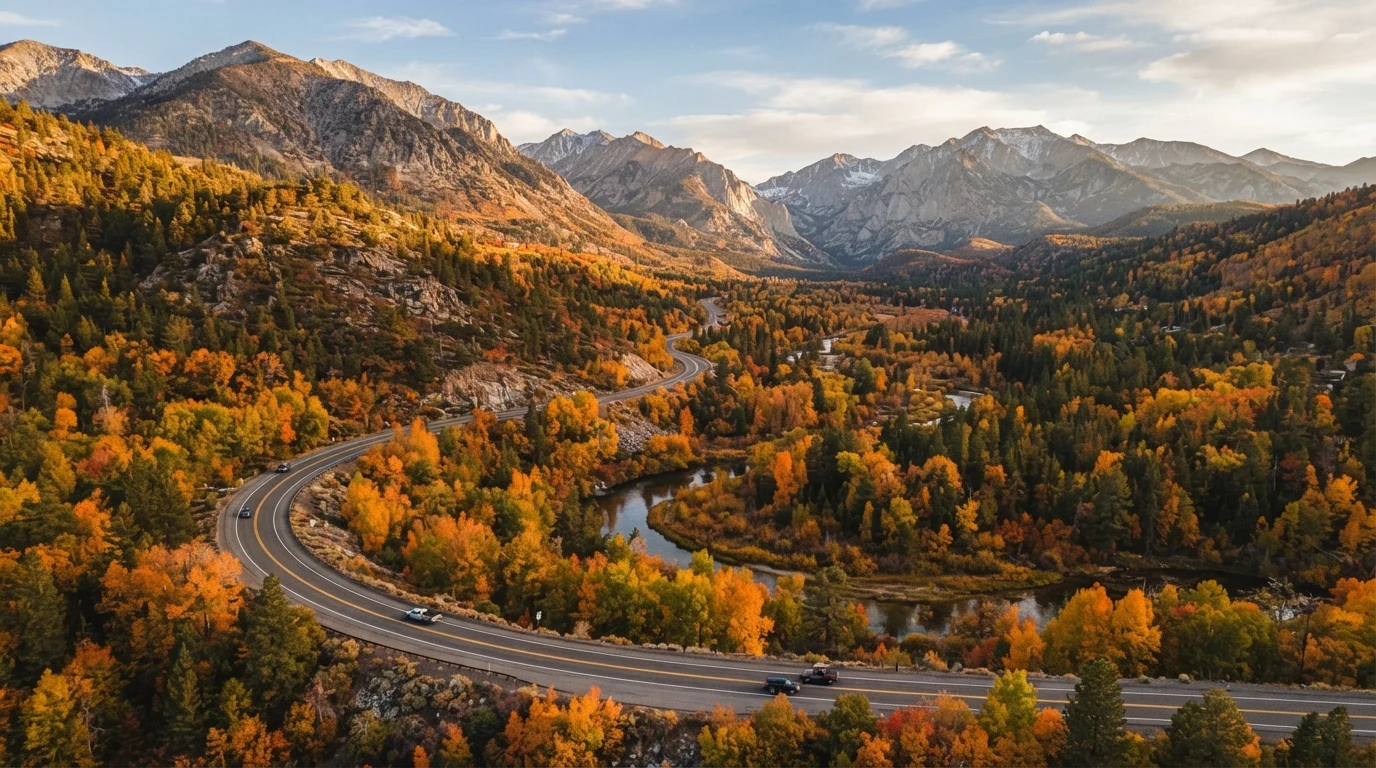
Shoulder seasons - April through May and September through October - are a genuine sweet spot for many road trippers. Crowds thin noticeably, foliage or wildflowers add dramatic scenery, and accommodation tends to be more available. The tradeoff is less weather certainty and the occasional closure of high-elevation roads still shaking off winter. If the shoulder season idea appeals to you, the case for going just before or after peak is worth reading before you commit to dates.
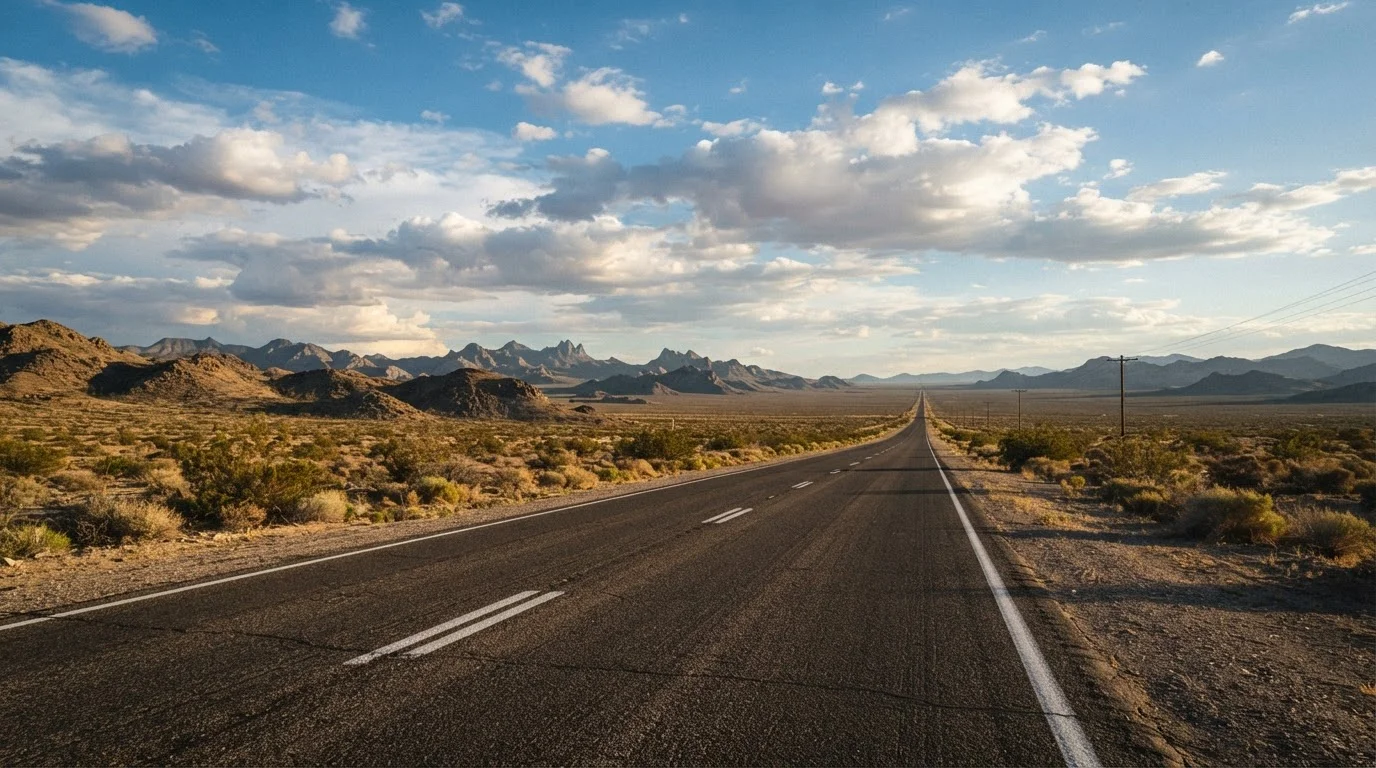
Off-peak (winter) driving is underrated on southern and desert routes. The Florida Keys, Big Bend, Sedona, and the Gulf Coast all shine in January and February when northern states are buried in snow. Mountain routes are a different story - ice, chain requirements, and road closures can turn an ambitious itinerary into a logistical headache. Always verify conditions through state DOT resources before setting out.
Check Road Opening Dates Before You Commit
High-elevation roads like Rocky Mountain National Park's Trail Ridge Road and Crater Lake's Rim Drive may not open until late May or June, depending on snowpack. Build a quick check of official park or state DOT websites into your early planning - before you book anything nonrefundable around those routes.
How Season Shapes Your Practical Planning
Once you understand which seasonal window you're working with, several planning decisions follow naturally.
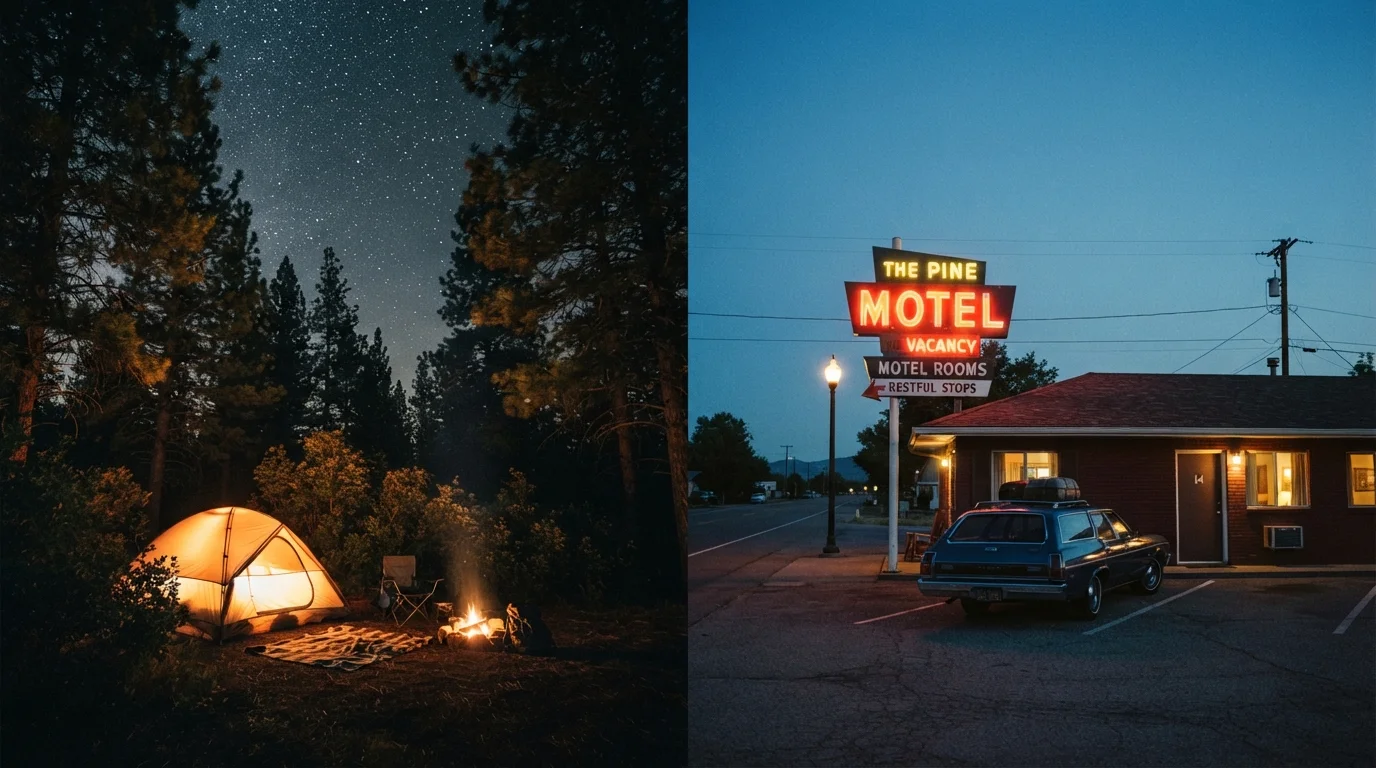
Campsite and lodging strategy: Peak-season travelers need to book early and lock in reservations, especially for national park campgrounds. Shoulder travelers gain more walk-up flexibility but should still have backup options. If you're still deciding how you want to sleep each night, camping versus motels involves more than just cost - the season you're traveling in affects that choice too.
National parks and permit systems: Many parks have layered entry systems - timed entry reservations, permit lotteries for popular hikes, and vehicle quotas - that operate primarily during peak months. Fitting national parks into a road trip realistically means understanding these systems well before you arrive at the gate.
Traveling with kids: School calendars often force families into peak-season windows whether they like it or not. Road trips with children require adjusted pacing and stop frequency regardless of season, but summer heat and park crowds add extra layers to manage.
For a broader foundation on timing your trip, the trip planning basics hub is a useful starting point for organizing all these moving pieces.
Reading the Calendar for Your Specific Route
No single month is universally "best" for US road trips - the ideal window depends entirely on where you're going. The Pacific Coast Highway in Northern California is spectacular in September but can see coastal fog in June. Utah's canyon country is stunning in spring and fall but scorching in July. New England's fall foliage peaks in a narrow two-to-three week window that shifts year to year.
The most useful habit you can develop is researching the seasonal norms for each major destination on your route individually, then finding the calendar window where those conditions overlap most favorably. Weather services, national park websites, and state tourism boards all publish seasonal guidance worth consulting before you finalize dates.
Season isn't a detail to sort out after you've planned everything else - it's one of the first variables that makes everything else click into place.
Conditions Change - Always Verify Officially
Seasonal norms are useful planning guides, but actual conditions vary year to year. Road openings, park reservation systems, and weather patterns can all deviate from historical averages. Before finalizing any itinerary, verify current conditions through official national park websites, state department of transportation resources, and government travel advisories.