Why Long-Term Reliability Is a Habit, Not a Luck Factor
Cars that stay reliable well past 150,000 miles rarely do so by accident. The common thread among high-mileage vehicles is almost always the same: an owner who treated maintenance as a routine obligation rather than an optional expense. The car maintenance fundamentals that protect a vehicle's longevity are not complicated - but they do require consistency.
The financial logic is straightforward. Preventive maintenance costs are predictable and relatively modest. Repair bills that result from deferred maintenance are neither. Most catastrophic engine or transmission failures have a history of neglected fluid changes or ignored warning signs behind them.
~$1,200
Average annual vehicle maintenance cost for US drivers
AAA has consistently found that routine maintenance and tire costs average roughly $100 per month for a typical passenger vehicle.
200,000+ miles
Lifespan achievable with consistent maintenance
Many modern vehicles are engineered to reach 200,000 miles or more when serviced according to manufacturer schedules, according to automotive industry research.
Core Maintenance Practices That Protect the Long Game
The following practices reflect what experienced mechanics and automotive engineers consistently identify as the foundation of long-term vehicle health. They apply broadly across vehicle types, though your owner's manual remains the authoritative source for your specific make and model. For a comprehensive look at service milestones, the Complete Vehicle Maintenance Overview covers the full arc of car ownership.
Follow manufacturer-specified fluid service intervals, not just top-off levels.
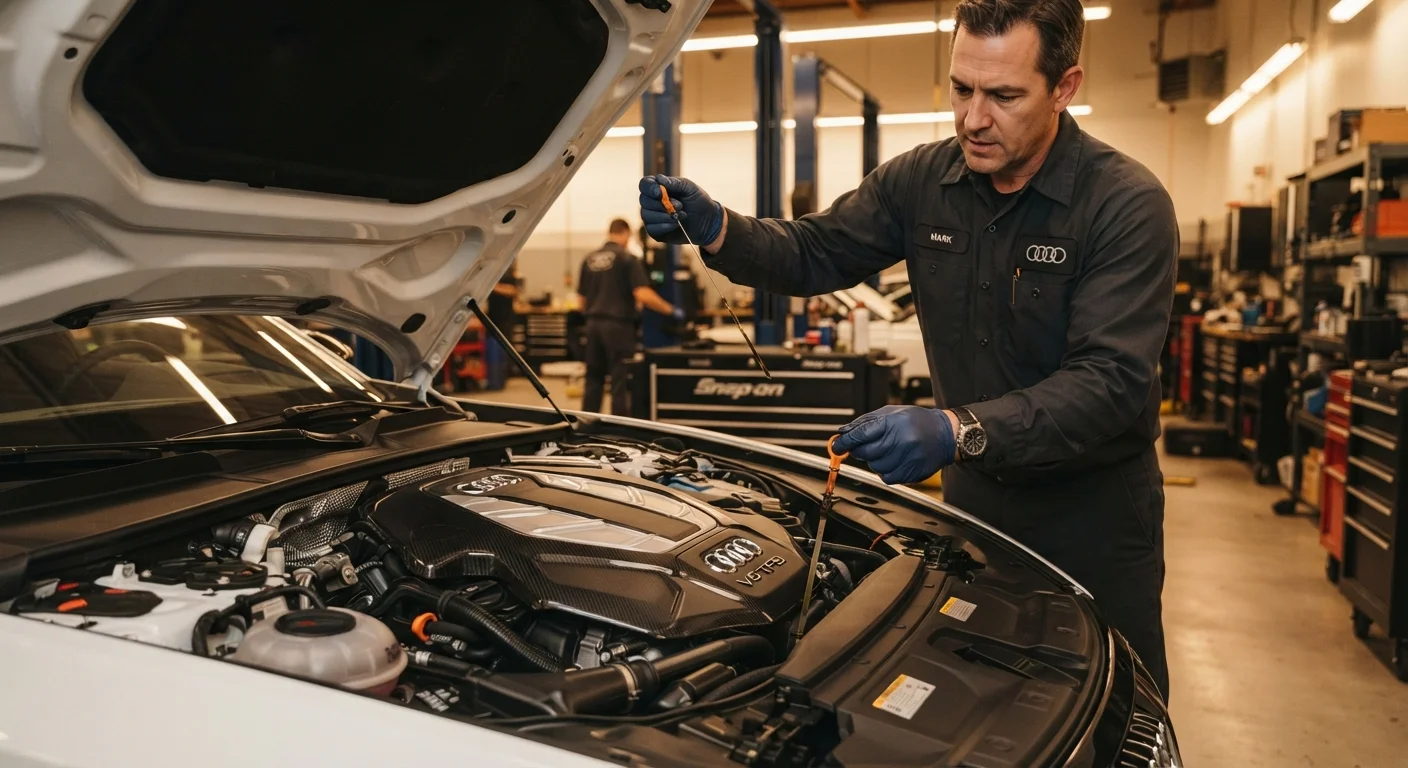
Oil, coolant, brake fluid, and transmission fluid all degrade over time regardless of how full the reservoir looks. Degraded fluid loses its protective properties and can accelerate internal wear or corrosion. Interval-based replacement - not just level checks - keeps these systems working as designed.
Inspect and rotate tires on a regular schedule, and check pressure monthly.
Uneven tire wear shortens tire life, reduces fuel efficiency, and can compromise handling. Monthly pressure checks and rotation every 5,000-7,500 miles (or per your manual) extend tire life significantly and help maintain consistent road contact.
Keep organized, dated records of every service and repair.
Service history helps mechanics identify patterns, avoid duplicating work, and catch recurring issues. It also directly supports resale value - buyers and dealers treat documented maintenance history as a meaningful indicator of vehicle condition.
Address warning lights and minor symptoms promptly rather than monitoring them.
A check engine light or subtle vibration rarely resolves on its own. Deferred diagnosis allows small problems - a loose oxygen sensor, slightly warped rotor - to compound into costlier failures. Early attention is almost always the more economical path.
Prepare the vehicle seasonally, especially before winter driving conditions.
Cold temperatures stress batteries, thicken fluids, and harden rubber seals. Tires lose pressure as temperatures drop, and wiper blades and washer fluid need to be appropriate for freezing conditions. Seasonal prep prevents failures that tend to occur at the worst possible moments.
Know which maintenance tasks are appropriate for DIY and which require a professional.
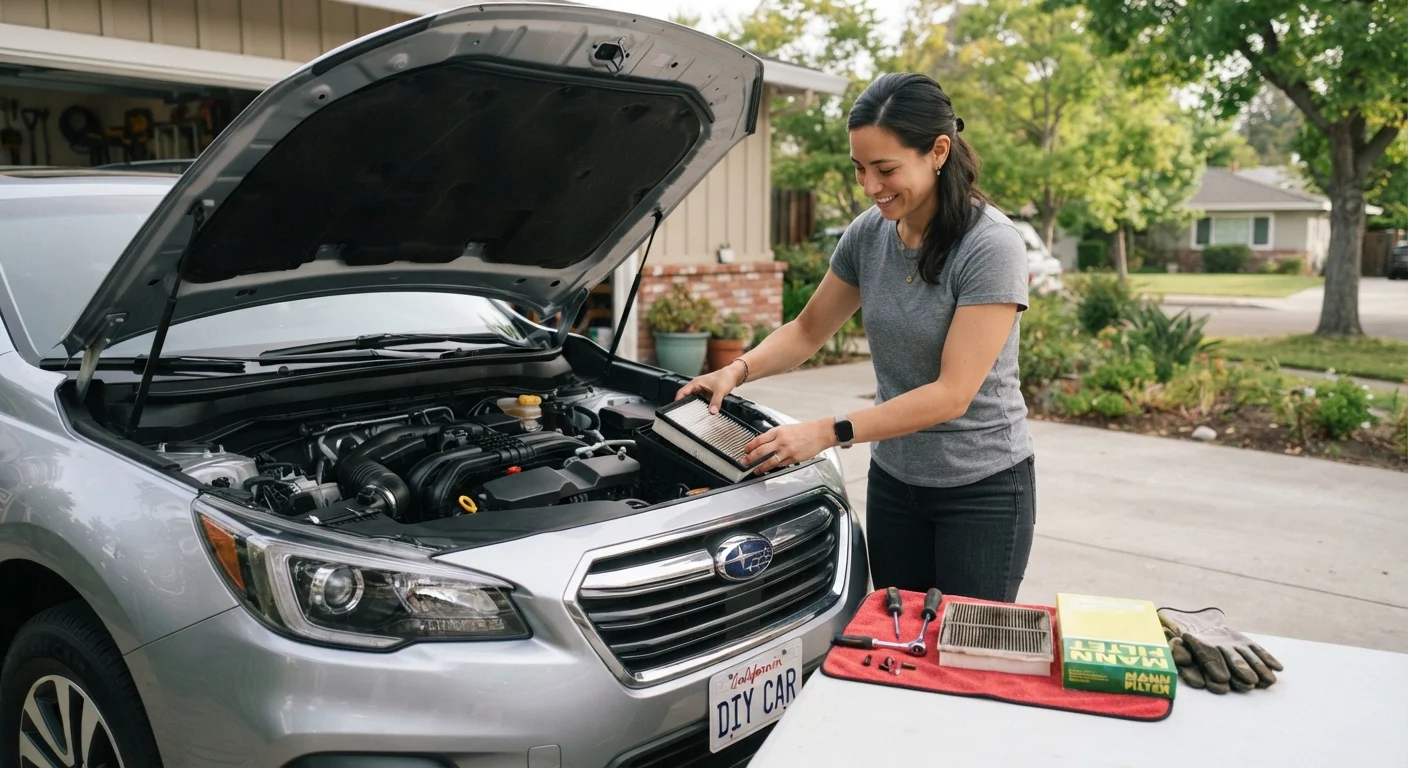
Simple tasks like replacing cabin air filters, wiper blades, or checking fluid levels are well within most owners' abilities. Work involving brake hydraulics, suspension components, or airbag systems carries genuine safety risk if done incorrectly and should be left to qualified technicians.
Owner's Manual Trumps General Rules
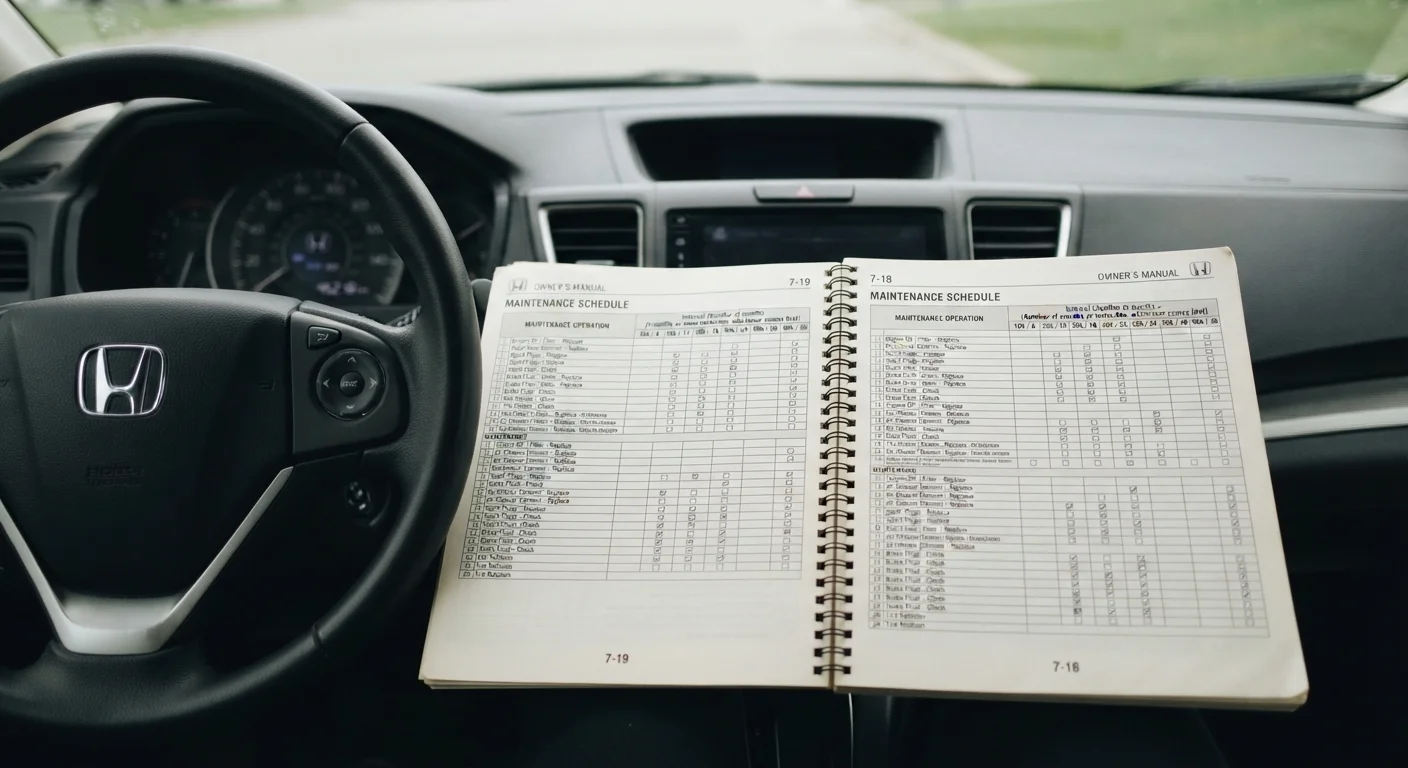
Generic maintenance intervals - like "change oil every 5,000 miles" - are starting points, not universal rules. Your manufacturer's specified intervals, found in your owner's manual, are calibrated to your exact engine and driving conditions. Consulting that document is always the more reliable approach. For a deeper look at how to use it, see Reading Your Owner's Manual.
Quick Actions You Can Take Right Now
Long-term vehicle health is built one small decision at a time. These immediate actions cost little or nothing and establish habits that compound in value over years of ownership. If you're unsure which tasks are appropriate to handle yourself, DIY Car Maintenance: What's Safe vs. What Isn't offers a balanced breakdown.
Start a Simple Maintenance Log Today
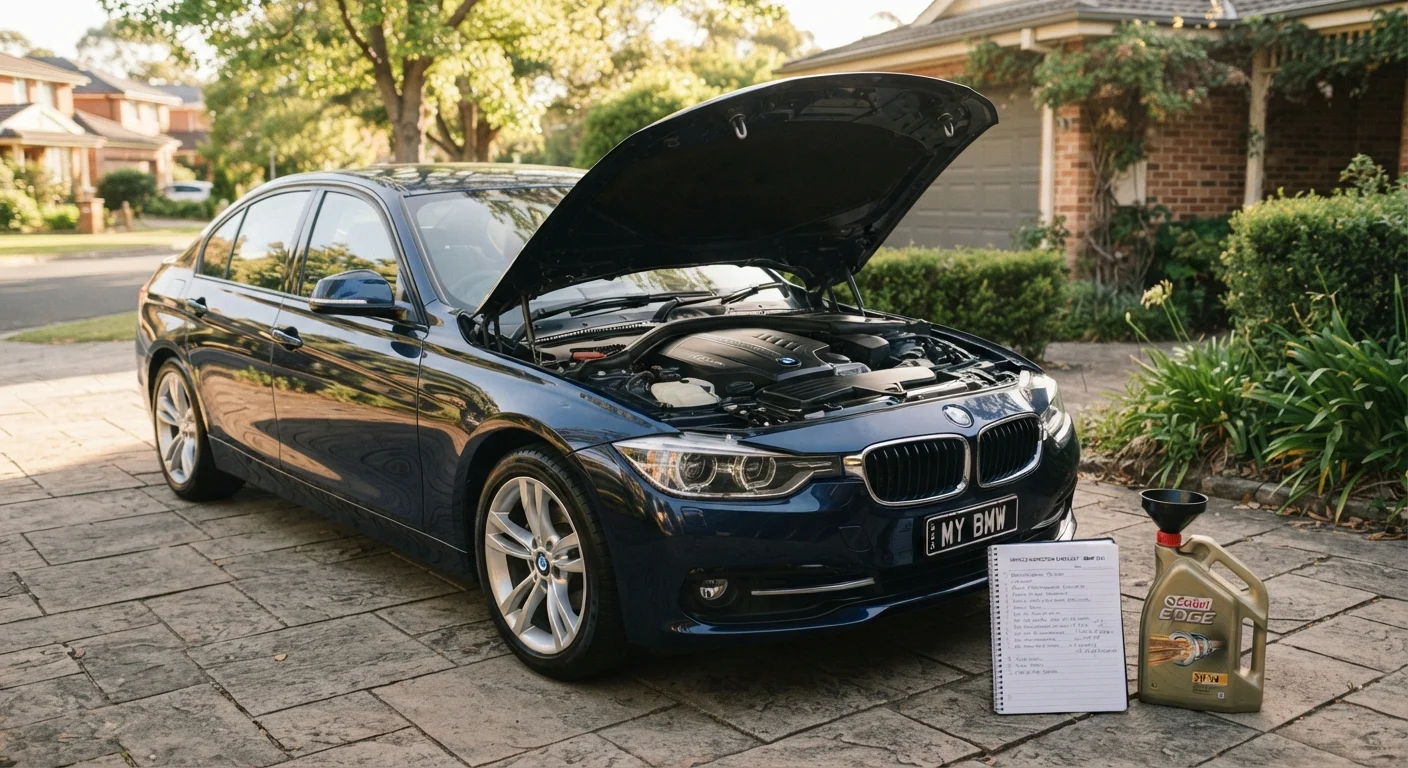
A basic notebook in the glove compartment - or a free smartphone notes app - is enough to begin tracking service dates, mileage at each visit, and what was done. Even a few months of records gives a mechanic useful diagnostic context and demonstrates responsible ownership if you sell the vehicle.
The Financial and Practical Value of Good Records
Organized maintenance records do more than satisfy curiosity - they're a practical tool at every stage of ownership. A well-documented service history allows mechanics to spot patterns that point toward a developing problem before it becomes a failure. It also matters significantly when the time comes to sell or trade in the vehicle.
Beyond resale, records help owners stay compliant with registration and emissions requirements, which vary considerably by state. Understanding how those systems work in your state is worth the time; How Vehicle Registration, Titling, and Emissions Work Across U.S. States provides a useful overview.
“A car that is well maintained is not just more reliable - it's a fundamentally different financial proposition. Preventive service costs tend to be predictable and modest; repair costs after neglect are neither.”
— Cars & Driving Editorial Team, Automotive editorial staff
Finally, be skeptical of maintenance lore that doesn't hold up. Advice like mandatory 3,000-mile oil changes or the need to idle a modern engine for several minutes on cold mornings is outdated - and following it may cost more than it saves. Car Maintenance Myths That Could Be Costing You Money separates durable advice from dated convention.