Why These Processes Exist - and Why They Differ by State
Vehicle registration, titling, and emissions testing are administered at the state level, which is why no two states handle them exactly the same way. States use these systems to fund road infrastructure through fees, establish legal ownership for consumer protection, and reduce air pollution in accordance with federal Clean Air Act guidelines.
The federal government sets minimum environmental standards, but states - and in California's case, states that have adopted California's stricter framework - set their own testing requirements. This creates a patchwork of rules that every car owner needs to understand, particularly when buying a used vehicle or relocating. For a broader picture of responsible car ownership, see our car maintenance hub.
State DMV Websites Are the Authoritative Source
Because requirements, fees, and exemptions change over time, always verify current rules directly with your state's DMV or motor vehicle agency before completing any transaction. General guidance in this article reflects commonly applied rules but should not be treated as legal or regulatory advice specific to your situation.
How Vehicle Titling Works
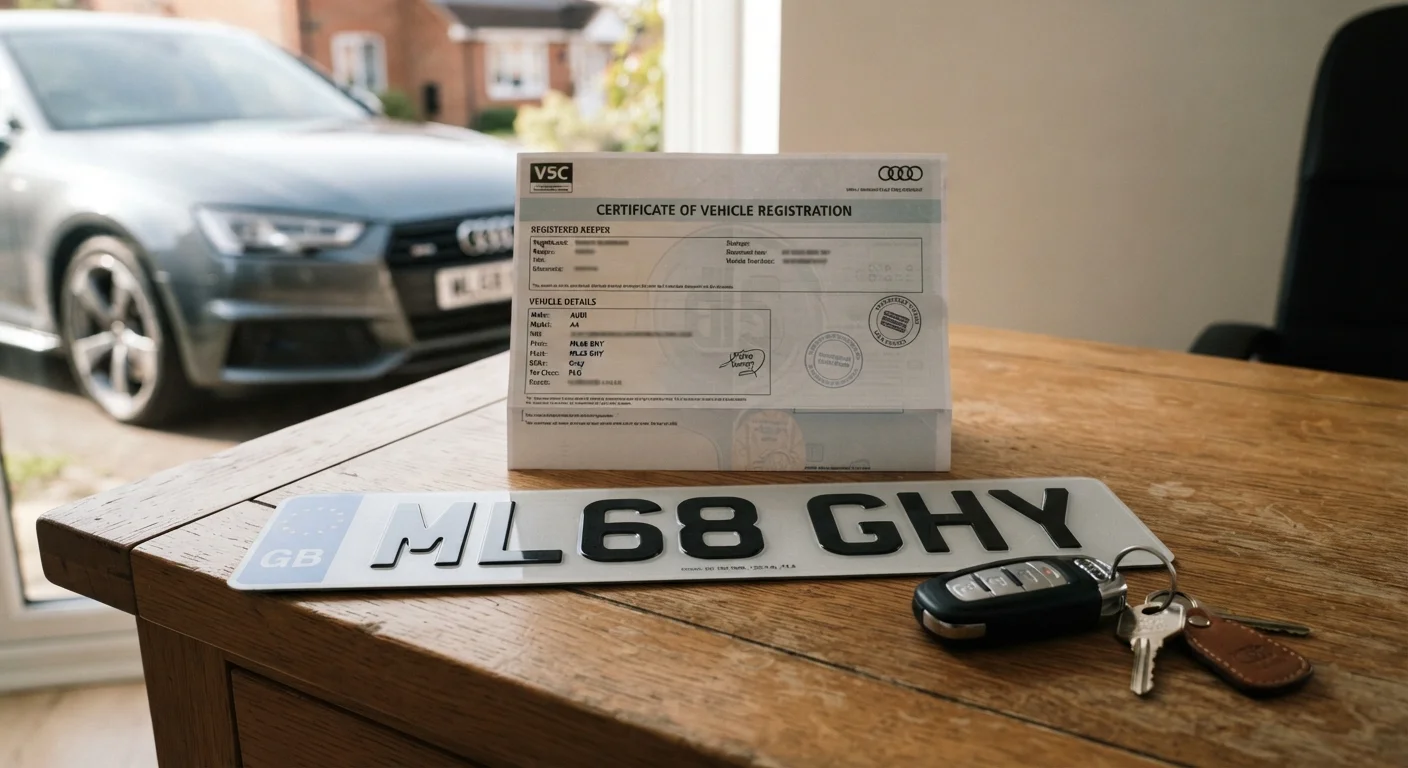
A certificate of title is the foundational legal document for any vehicle. When you buy a car - whether from a dealer or a private seller - the title must be transferred into your name. Dealers typically handle the paperwork on your behalf. In a private sale, both buyer and seller must sign the existing title, and the buyer submits it (along with required fees and documentation) to the state DMV or equivalent agency.
Key concepts to understand:
- Lien notation: If you financed the purchase, the lender's name appears on the title as a lienholder until the loan is paid off.
- Clean vs. salvage titles: A salvage title indicates the vehicle was previously declared a total loss by an insurer. Rebuilt or salvage-titled vehicles may face restrictions on registration and insurance in some states.
- Odometer disclosure: Federal law requires sellers to disclose the vehicle's mileage at time of sale for vehicles under a certain age.
Keeping organized records of your title and registration is a simple habit that saves significant hassle later.
~30
U.S. states with some form of emissions testing
The exact number varies as states update their programs; requirements often differ by county within those states.
30-90 days
Typical window to re-register after moving to a new state
State deadlines for new residents to transfer registration range widely; always verify with your destination state's DMV.
Varies widely
Annual registration fee range across U.S. states
Fees can differ by hundreds of dollars depending on the state's formula - weight, value, or flat-rate - plus local surcharges.
Registration Renewals: Timelines, Fees, and What You Need
Registration must be renewed periodically - usually annually, though some states offer two-year terms. Renewal notices are typically mailed to the address on file, but it is the owner's legal responsibility to renew on time regardless of whether a notice arrives.
What you generally need to renew:
- Proof of current vehicle insurance meeting your state's minimum liability requirements
- A passed emissions inspection certificate, if your county requires one
- Payment of the applicable fee
- A valid mailing address for the new registration card and sticker
Registration fees vary considerably. Some states assess fees based on vehicle weight; others use the car's assessed value or model year. Moving to a new state means re-registering within the window your new state mandates - most commonly 30 to 60 days. For new drivers getting up to speed on all the basics, our guide on everything a new driver should know covers the full picture.
Set a Calendar Reminder for Your Renewal Date
Registration expiration dates are printed on your registration card and, in most states, on your license plate sticker. Setting a reminder 60 days before expiration gives you enough time to gather insurance documents, schedule an emissions test if required, and pay the fee without rushing. Many states also allow online renewal, which is often faster than visiting a DMV office.
Emissions Testing: Who Tests, What They Check, and What Failing Means
Emissions programs exist to keep high-polluting vehicles off the road and to help regions meet federal air quality standards. Testing requirements depend on where you live - not just which state, but often which county within that state.
Testing methods vary by vehicle age and type:
- OBD-II scan: For most vehicles manufactured after 1996, a technician plugs into the car's onboard diagnostic port to check whether the engine management system has flagged any emissions-related faults.
- Tailpipe test: Older vehicles may require a physical measurement of exhaust gases using a probe inserted into the tailpipe.
- Visual inspection: Technicians confirm that emissions components (catalytic converter, fuel cap, etc.) are present and unmodified.
Electric vehicles are typically exempt from tailpipe tests. Older vehicles - often those more than 25 years old - may also be exempt in many states. If your vehicle fails, you have options: repair the underlying issue, or in many states, apply for a cost waiver after spending a required minimum on repairs. A well-maintained vehicle is far less likely to fail; regular upkeep like that described in our complete vehicle maintenance overview directly supports passing inspection.