What Each Path Actually Involves
Deciding how to sell your car comes down to a core trade-off: time versus money. Both private sales and trade-ins are legitimate routes, but they work very differently in practice.
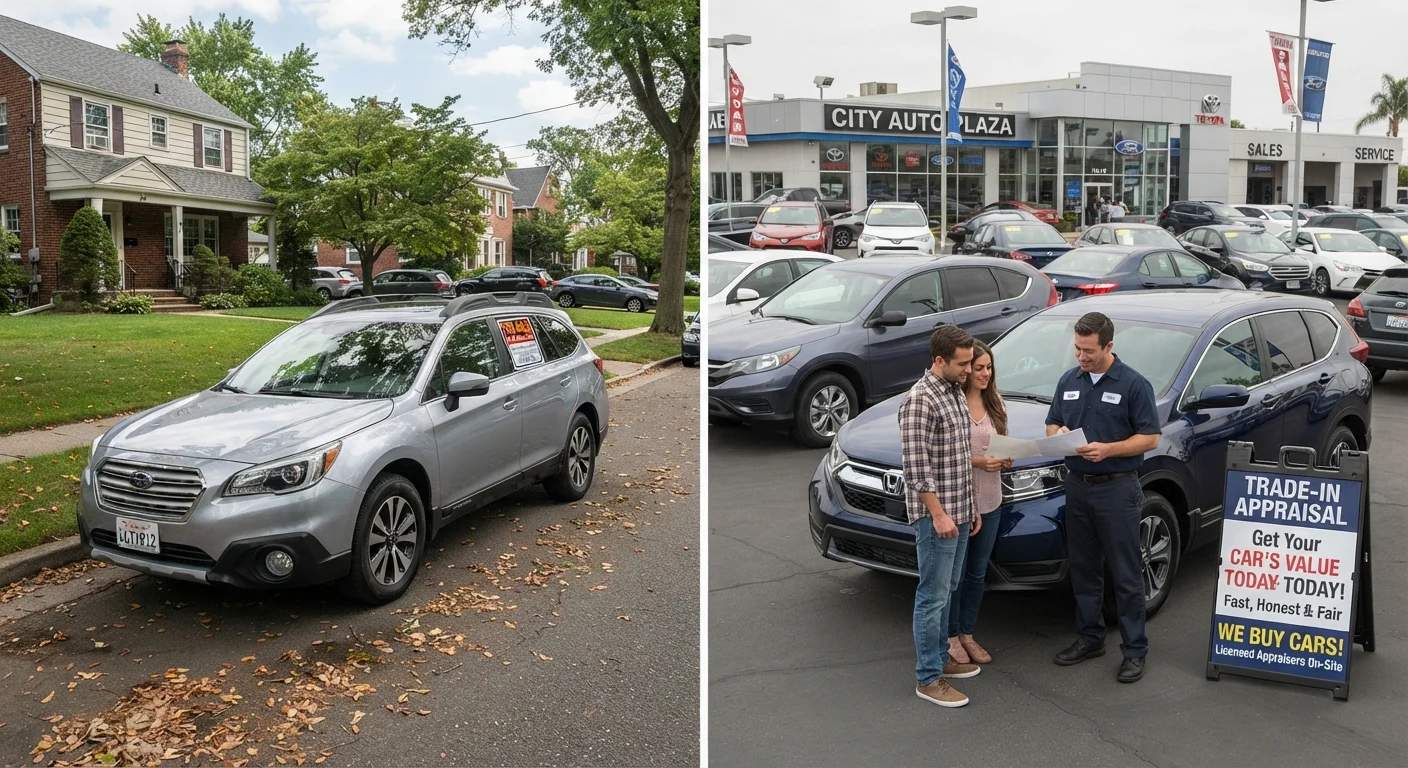
Private sale means listing your vehicle directly to individual buyers - through classified platforms, social media, or word of mouth. You set the price, manage inquiries, schedule test drives, negotiate terms, and handle all paperwork including the title transfer and bill of sale. Done well, this process can return significantly more than a dealer would offer, because you're selling at or near retail market value rather than wholesale.
Trade-in means bringing your vehicle to a dealership and applying its appraised value toward the purchase of another car - or accepting a direct buyout. The dealer handles nearly everything: the appraisal, the paperwork, and the transfer. The trade-off is that dealers build in a margin, so the offer you receive will typically be lower than what a private buyer might pay.
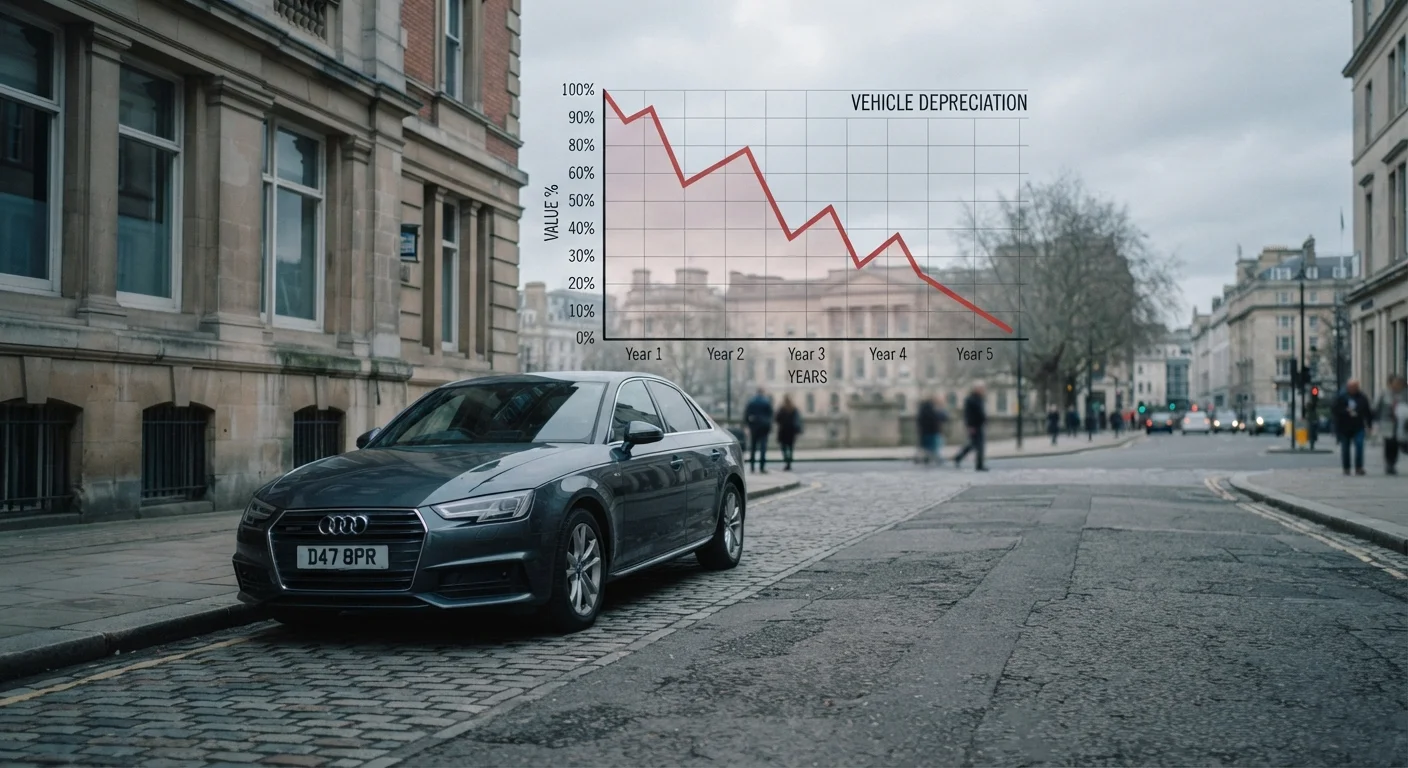
Understanding how vehicle depreciation affects your car's value is a useful foundation before entering either negotiation.
| Criterion | Private Sale | Trade-In |
|---|---|---|
| Typical return | Higher (closer to retail value) | Lower (wholesale/dealer margin built in) |
| Time required | Days to weeks | Hours to one day |
| Paperwork burden | Seller responsible for all documents | Dealer manages most paperwork |
| Negotiation | Direct with private buyers | With dealer appraiser |
| Vehicle condition impact | Condition heavily scrutinized | Dealers accept most conditions |
| Tax benefit | None on next purchase | May reduce sales tax in many states |
| Safety considerations | Must manage buyer vetting | No safety concerns |
The Financial Reality of Each Option
The gap between what a dealer offers and what a private buyer pays varies by vehicle, market conditions, and timing - but it can be meaningful. For popular, well-maintained vehicles in good condition, private buyers may pay noticeably more than a dealer's appraisal. For older vehicles or those with issues, the difference can narrow considerably.
15-25%
Typical gap between trade-in and private sale value
Industry estimates suggest private sellers often receive 15-25% more than dealer trade-in offers for well-maintained, in-demand vehicles, though this varies considerably.
2-4 weeks
Average private sale timeline for most vehicles
Market conditions, vehicle type, and pricing strategy all affect how quickly a private sale closes; some vehicles sell faster, others take longer.
One factor many sellers overlook is the potential tax advantage of trading in. In most states, sales tax on a new vehicle purchase is calculated on the net price after the trade-in value is subtracted. This means a trade-in can reduce your immediate tax bill, partially closing the financial gap with a private sale. Whether this makes the trade-in competitive depends on your state's tax rate and the specific figures involved.
For a broader look at how your selling decision fits into the full picture of vehicle ownership costs, see everything that goes into the real cost of owning a car.
Effort, Risk, and Practical Realities
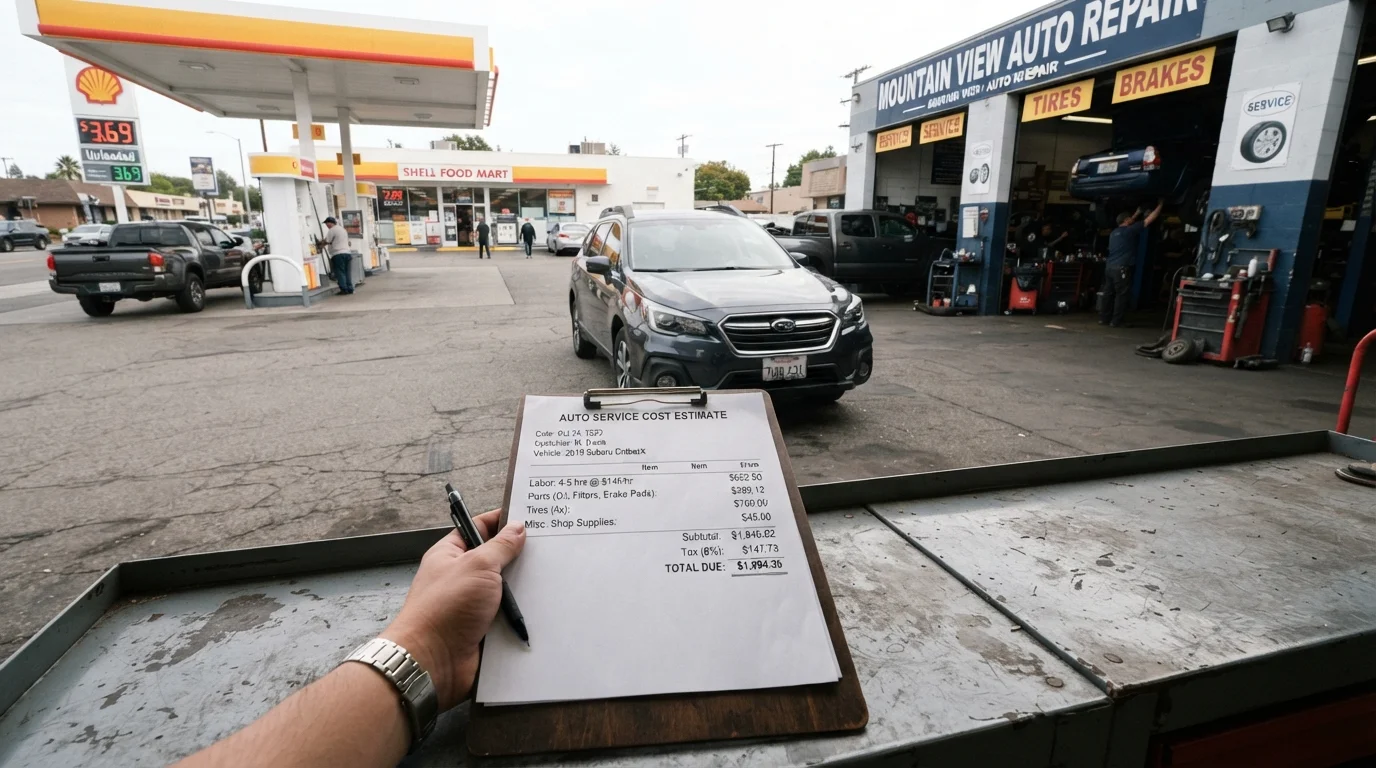
Private sales can take anywhere from a few days to several weeks depending on your vehicle, asking price, and how actively you market it. You'll need to prepare the car (cleaning, minor repairs, accurate photos), set a realistic price using market data, screen buyers carefully, and be prepared to negotiate. Safety is also a legitimate concern - meeting strangers for test drives requires precautions such as meeting in public places and verifying the buyer's license.
Payment method matters in private sales. Accepting personal checks carries risk; cashier's checks can be counterfeited. Many sellers prefer cash or a verified bank transfer for the final transaction.
Trade-ins carry far fewer logistics. You bring the car in, receive an appraisal, and either accept or decline. If you're simultaneously buying another vehicle, everything is bundled into one transaction. The risk shifts too - once you hand over the title, you have no further responsibility for the vehicle.
Get a Baseline Value Before You Decide
Before approaching a dealer or listing your car privately, research your vehicle's current market value using multiple independent sources. Knowing this number in advance gives you a realistic anchor for evaluating any offer you receive - and helps you recognize whether a trade-in quote is fair or significantly below market. Never enter either negotiation without this information.
If you're considering your next vehicle and weighing ownership models broadly, leasing versus buying is another dimension worth understanding before you commit.