Why These Rules Get Misunderstood So Often
Right-of-way rules are among the most tested concepts on any state driving exam - and also among the most forgotten by experienced drivers. Unlike speed limits, which are posted in plain numbers, right-of-way principles live in memory. When traffic moves fast or an unfamiliar situation arises, most drivers default to habit, assumption, or imitation of the car ahead of them rather than the actual rule.
The consequences range from tense near-misses to serious collisions. According to data compiled by the National Highway Traffic Safety Administration (NHTSA), failure to yield is consistently cited as a contributing factor in a significant share of intersection crashes. Understanding exactly where the rules get murky is the first step toward correcting them.
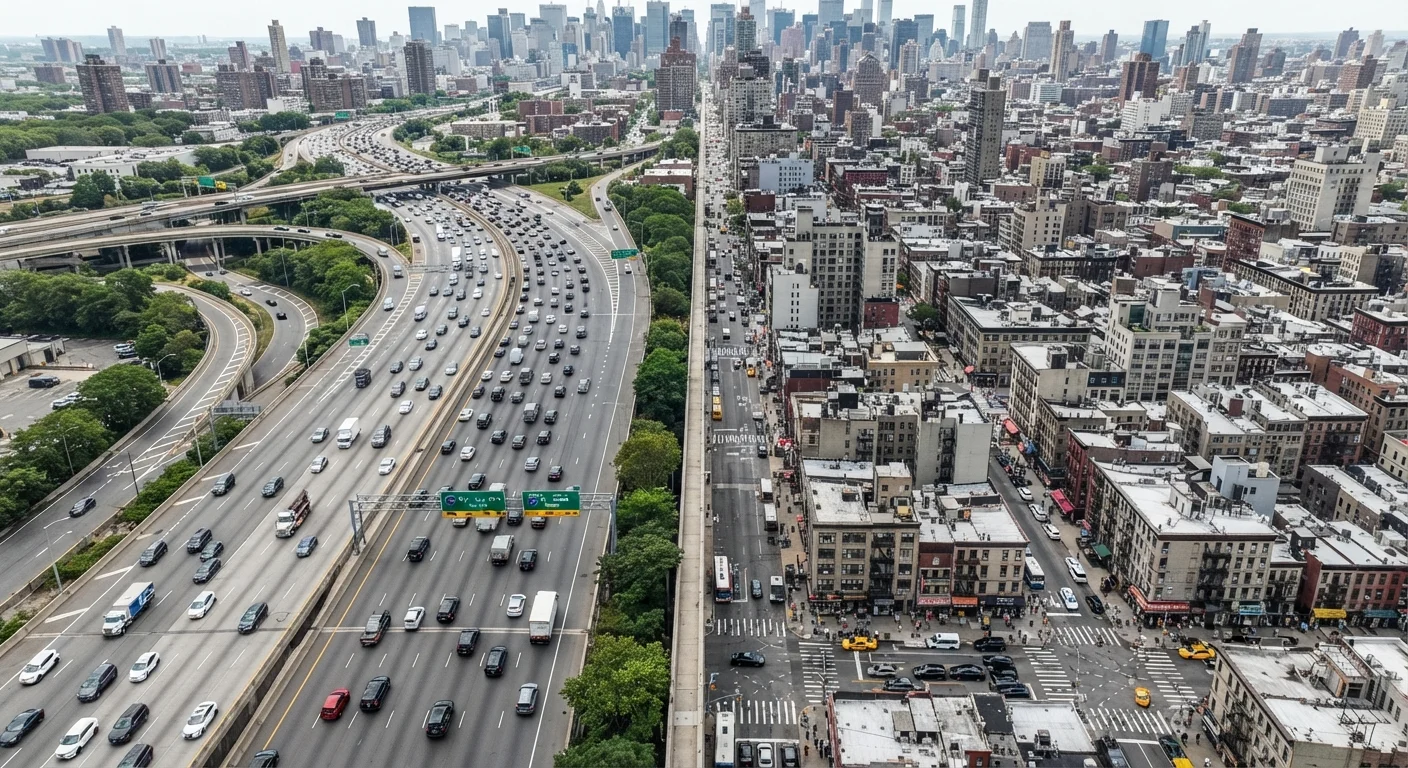
Highway and city driving each carry distinct right-of-way challenges - the mistakes below appear in both environments.
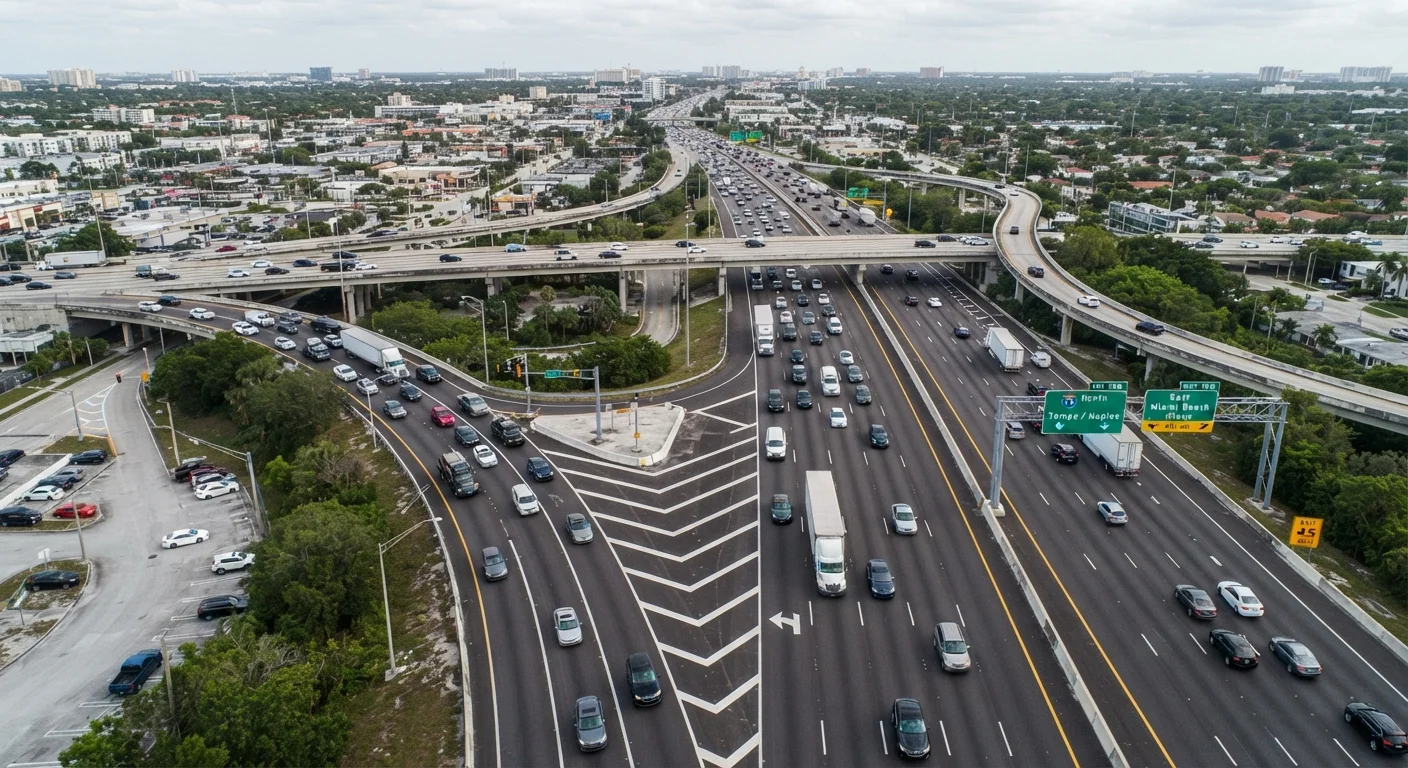
Assuming the on-ramp driver has equal right-of-way to merge into highway traffic.
Why it happens: Drivers often assume that since both lanes are moving, both have equal claim to the road. The physical pressure of a closing merge lane reinforces the feeling that highway drivers should accommodate them.
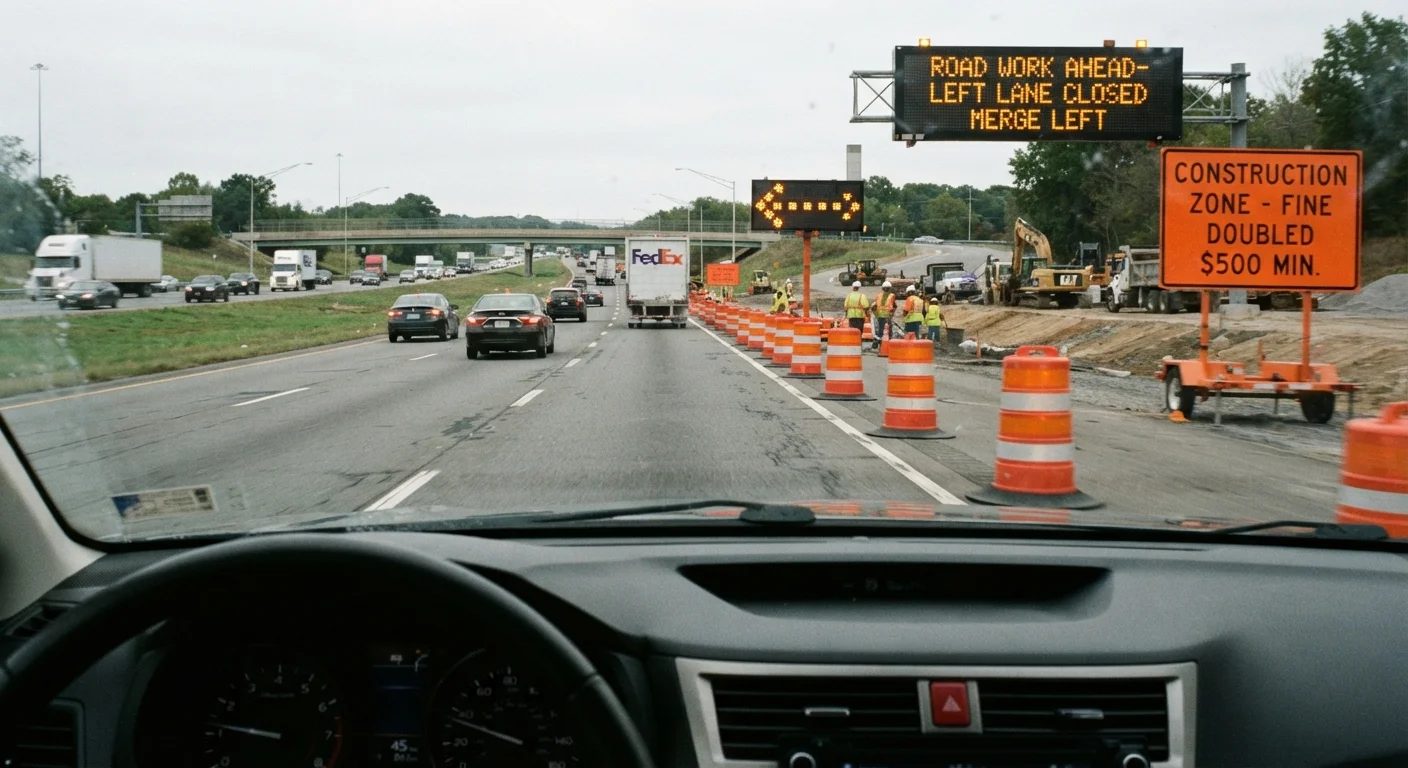
Treating a zipper merge in a construction zone as aggressive driving rather than a recognized technique.
Why it happens: Most drivers learned that merging early is polite, so staying in a closing lane until the last moment feels like cutting. Without signage explaining the zipper method, drivers guess at the expectation.
Waving other drivers through at a four-way stop instead of following the established priority order.
Why it happens: Uncertainty about who arrived first leads to well-meaning but risky improvisation. The wave feels polite, but the receiving driver may not see it clearly or may hesitate.
Turning left on a green light without fully yielding to oncoming through-traffic.
Why it happens: A green light feels like an all-clear signal. Drivers frequently underestimate oncoming vehicle speed or misjudge available gap size when they are eager to complete the turn.
Failing to yield to pedestrians in unmarked crosswalks at intersections.
Why it happens: Many drivers only recognize painted zebra crossings as legal crosswalks. The concept of an unmarked crosswalk - which exists at every intersection as the implied extension of the sidewalk - is not widely known.
Not immediately pulling over for emergency vehicles with lights and sirens active.
Why it happens: Drivers in the left lane or in the middle of an intersection feel uncertain about where to go, and sometimes freeze or continue moving without pulling to the right.
The Merge Confusion That Causes Highway Backup
Freeway on-ramp merging is arguably the most misunderstood maneuver in everyday driving. The foundational rule is straightforward: a driver entering a highway from an on-ramp must yield to vehicles already traveling in the right lane. The accelerating driver's job is to match highway speed and find an acceptable gap - not to force their way in.
Matching Speed Is the Merging Driver's Responsibility
Entering a highway far below highway speed is a hazard for all vehicles behind you on the ramp and for drivers in the right lane. Use the full length of the acceleration lane to reach an appropriate speed before merging. Stopping at the end of an on-ramp - except when traffic is completely stopped - creates a serious rear-end collision risk.
The confusion deepens around the zipper merge, a technique transportation agencies actively promote in many states during lane closures and construction zones. In a zipper merge, both lanes of traffic use the full length of the available lane before alternating - one car from each lane - at the merge point. This is explicitly encouraged because it reduces overall queue length and keeps traffic moving. But many drivers treat it as aggressive or rude, and brake early to avoid it. In a proper zipper merge, using the lane to its end is correct, not discourteous.
These two rules - yield on the on-ramp, zipper at construction merges - directly contradict each other in feel if not in logic. Understanding when each applies prevents both unnecessary braking and unnecessary conflict.
Four-Way Stops and the Tie-Breaker Most Drivers Forget
The four-way stop is a system built on a clear priority order that many drivers learned imperfectly. The rules, as codified across nearly all US state codes, work as follows:
- First to arrive, first to go. The driver who reaches the intersection and comes to a complete stop first has the right-of-way.
- Simultaneous arrival: yield to the right. If two or more vehicles stop at the same time, the driver to the right goes first.
- Straight traffic before turning traffic. Where state law specifies it, vehicles going straight have priority over those turning, particularly left turns.
The mistake most often observed is drivers waving each other through out of uncertainty, which creates its own hazard - two drivers proceeding simultaneously after a hesitation standoff. If you're unsure who arrived first, make brief eye contact, apply the yield-to-the-right rule, and proceed deliberately.
Running a stop sign - even a slow roll - voids all right-of-way protection. A driver who fails to stop completely has no legal claim to proceed, regardless of who arrived when. Special zones with modified traffic controls add further complexity to these basics.
~40%
Of fatal crashes occurring at intersections
NHTSA data has consistently shown that intersections are the site of a large share of fatal traffic crashes, with failure to yield among the most cited contributing factors.
1 in 3
Drivers who misapply four-way stop rules
AAA Foundation for Traffic Safety research has found that a substantial portion of US drivers are uncertain about right-of-way rules at all-way stop intersections.
Green Lights, Left Turns, and Pedestrian Priority
A green light is permission to proceed - it is not a right-of-way guarantee. Left-turning drivers at a standard green ball (not a dedicated left-turn arrow) must yield to all oncoming traffic moving straight through the intersection. This is a rule a significant share of drivers misapply, particularly when they are trying to squeeze through a gap as the light changes.
A Green Light Does Not Override a Pedestrian in the Crosswalk
Turning on green while a pedestrian is crossing is a leading cause of pedestrian injury in US urban areas. Even if the light is in your favor, you are legally required to yield to pedestrians who are in or entering your path. A driver who strikes a pedestrian while turning on green may still be cited for failure to yield. Stop, wait, and ensure the crosswalk is clear before completing any turn.
Pedestrians add another layer. In every US state, drivers must yield to pedestrians who are in or entering a marked or unmarked crosswalk at an intersection. An unmarked crosswalk is the legal extension of a sidewalk across an intersection, even when no painted lines exist. Turning vehicles - left or right - must yield to pedestrians crossing the road they are turning into, not just the road they are leaving.
Understanding these overlapping yields is critical. A driver following too closely behind a left-turning vehicle is also at elevated risk when that vehicle correctly stops for an oncoming car or a crossing pedestrian.