What Happens Inside the Kernel
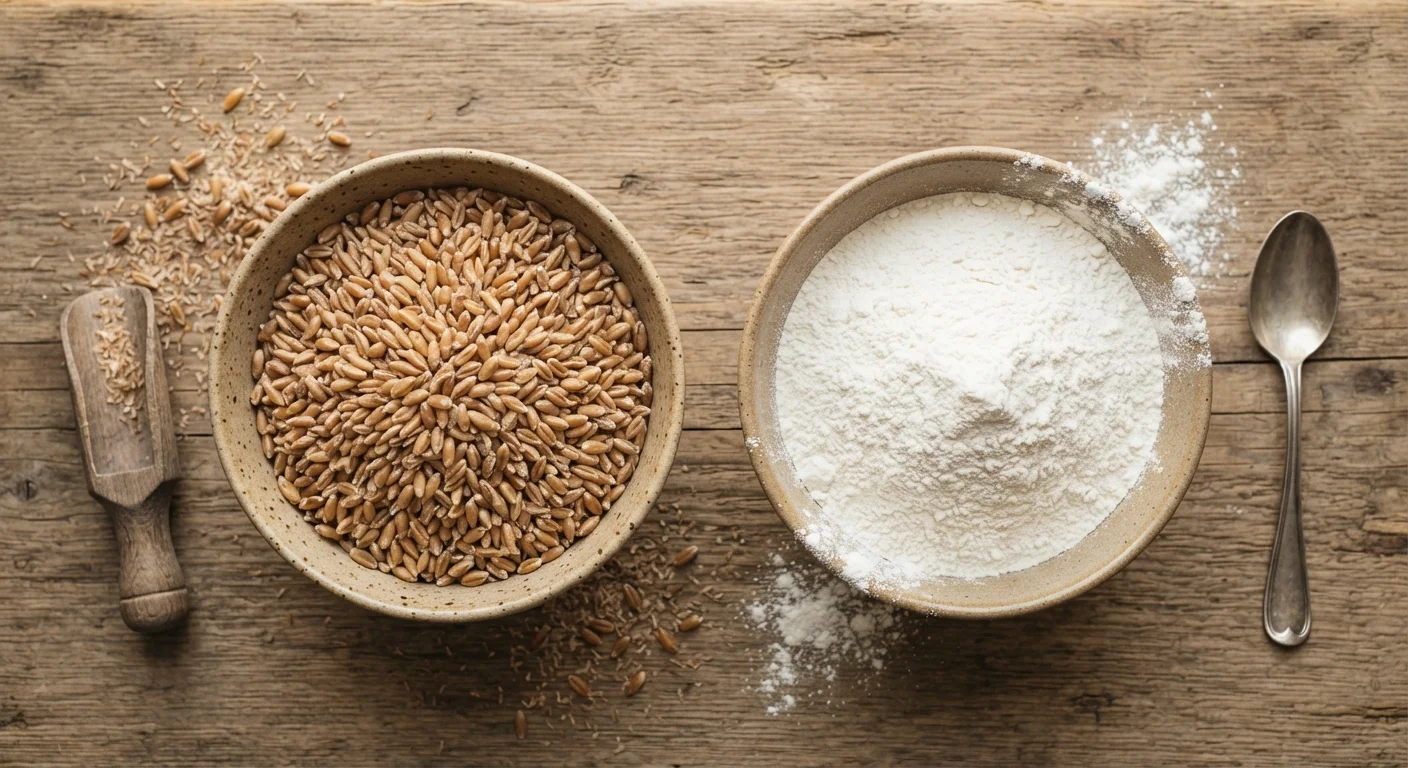
A grain kernel has three distinct parts: the bran (the fibrous outer layer), the germ (the nutrient-dense embryo), and the endosperm (the starchy inner body). A whole grain keeps all three intact. Refining - the milling process used to create white flour, white rice, and similar products - removes the bran and germ, leaving primarily the endosperm.
What goes with the bran and germ isn't trivial. Those layers contain the majority of a grain's dietary fiber, B vitamins (including thiamin, niacin, folate, and B6), vitamin E, iron, magnesium, zinc, and a range of phytochemicals (plant compounds studied for their potential health effects). What remains in the endosperm is predominantly starch, with modest amounts of protein.
To partially compensate, US regulations require that refined grain products labeled "enriched" have certain B vitamins and iron added back. Folic acid fortification - introduced in the 1990s and credited with significant reductions in neural tube defects - is one example of this policy working as intended. Still, enrichment doesn't replace everything: fiber, vitamin E, magnesium, and most phytochemicals are not restored. For a closer look at how processing affects nutritional content more broadly, see how processed food is classified.
What the Research Actually Shows
The body of evidence linking whole grain consumption to health outcomes is substantial, though it comes with the usual caveats of nutrition science. Most large studies are observational, meaning they show associations rather than direct cause and effect. That said, the consistency and size of these associations are difficult to dismiss.
~30%
Lower cardiovascular disease risk with high whole grain intake
A 2016 meta-analysis published in The BMJ found that higher whole grain consumption was associated with approximately 30% lower risk of cardiovascular disease compared to low intake.
~5%
Reduction in type 2 diabetes risk per daily whole grain serving
Research published in the British Journal of Nutrition suggests each additional daily serving of whole grains is associated with a roughly 5% reduction in type 2 diabetes risk.
~5%
Of US adults meet recommended whole grain intake
According to data from the USDA and CDC, the vast majority of American adults consume far fewer whole grains than federal dietary guidelines recommend.
Multiple large cohort studies and systematic reviews have associated higher whole grain intake with lower rates of cardiovascular disease, type 2 diabetes, and certain digestive cancers. The likely mechanisms include slower glucose absorption (due to fiber slowing digestion), improved cholesterol profiles, and the cumulative effect of fiber feeding beneficial gut bacteria - an area of active ongoing research.
Refined grains, by contrast, are more rapidly digested and produce a faster rise in blood glucose. Over time and at high intake levels, this pattern is associated with increased cardiometabolic risk in observational research. However, context matters: a serving of white rice as part of a vegetable-rich meal is nutritionally very different from refined grain snack foods high in added sugar and sodium. Overall dietary pattern is a stronger predictor of health outcomes than any single food, a point explored in eating patterns linked to long-term health.
How to Compare Them Side by Side
The table below compares key attributes of whole grains and refined grains to help frame practical decision-making.
| Criterion | Whole Grains | Refined Grains |
|---|---|---|
| Kernel components retained | Bran, germ, and endosperm | Endosperm only |
| Dietary fiber content | Significantly higher | Low (unless added back) |
| Micronutrients (B vitamins, minerals) | Naturally abundant | Partially restored via enrichment |
| Phytochemicals | Present in bran and germ | Largely removed; not restored |
| Glycemic response | Generally slower, more gradual | Generally faster, more pronounced |
| Shelf life and versatility | Shorter shelf life; some texture differences | Longer shelf life; widely adaptable |
| Association with chronic disease risk | Lower risk in consistent research | Higher risk at high intake levels |
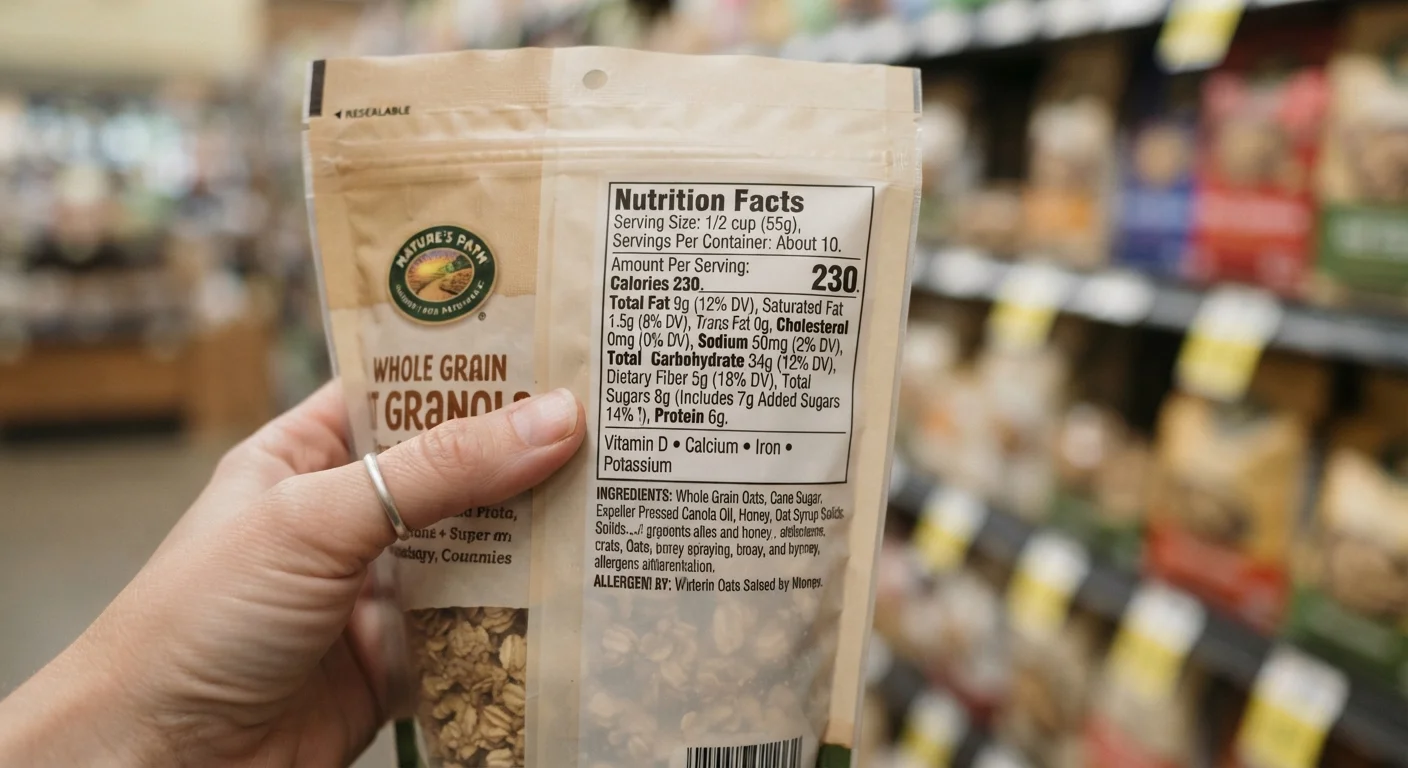
One note on labeling: terms like "multigrain," "wheat bread," or "made with whole grain" do not guarantee a product is primarily or meaningfully whole grain. Look for "100% whole grain" or "100% whole wheat" on the label, or check that a whole grain is listed as the first ingredient. Reading a nutrition label carefully can make this process significantly less confusing.
A Practical Perspective: Is the Switch Worth Making?
For most people eating a typical US diet - which skews heavily toward refined grains - gradually shifting toward whole grain options is a meaningful, evidence-supported move. The Dietary Guidelines for Americans recommend that at least half of all grains consumed be whole grains, a target most Americans fall short of.
Whole Grain Doesn't Always Mean "Healthy"
A food can be made with whole grains and still be high in added sugar, sodium, or saturated fat - all of which affect its overall nutritional value. Whole grain status is one useful data point, not a blanket quality signal. Checking the full nutrition label gives a more complete picture. Learn more about decoding a nutrition label to make more confident comparisons at a glance.
Practically, this doesn't require eliminating refined grains entirely. Choosing whole grain bread for daily sandwiches, opting for brown rice or quinoa as a base, and selecting whole grain breakfast cereals with minimal added sugar are incremental changes that compound over time. Fiber intake in the US is well below recommended levels for most adults, and whole grains are one of the more accessible ways to close that gap.
It's also worth noting that not all whole grain foods are nutritionally superior in every dimension. A heavily sweetened whole grain muffin may carry more added sugar than a plain slice of white toast. Grain type is one variable among many - and an honest reading of the full nutrition label remains the most reliable guide. If you're navigating specific health conditions or have concerns about your grain intake, a registered dietitian can offer guidance tailored to your circumstances.
This article is for general informational purposes only and does not constitute medical or dietary advice. Always consult a qualified healthcare professional or registered dietitian for guidance specific to your health needs.