Why Watering Myths Persist
Gardening advice travels fast - from neighbors, packaging labels, and decades-old books - and not all of it holds up. Many well-meaning watering habits are actually rooted in misunderstanding how plants take up water, how soil retains moisture, and what stress signals really mean. The result: gardeners water too often, at the wrong depth, or misread what their plants are telling them.
Clearing up these misconceptions doesn't require a horticulture degree. It just takes a closer look at what the science and practical experience actually show. The myth-fact pairs below cover the most common errors, and fixing them can meaningfully improve plant health with less effort. If you're interested in plants that are naturally forgiving of imperfect watering, our guide to low-maintenance perennials is a useful companion read.
Myth
Plants need to be watered every day to stay healthy.
Fact
Most established plants thrive with deep, infrequent watering - typically once or twice a week, depending on soil type and weather.
Daily watering keeps only the top layer of soil moist, which encourages shallow root growth. Shallow roots make plants more vulnerable to heat and drought. Watering deeply but less frequently - allowing the soil to partially dry between sessions - drives roots deeper, where they access more stable moisture and nutrients. The right frequency depends on your soil, climate, and plant type, not a fixed daily schedule.
Myth
Watering in the evening causes fungal disease because leaves stay wet overnight.
Fact
While morning watering is generally preferred, evening watering on the soil - not the foliage - poses little fungal risk for most plants.
Fungal issues are more closely tied to consistently wet foliage and poor air circulation than to the time of day you water. If you water at the base of plants and avoid wetting leaves, evening watering is unlikely to cause problems. Morning watering is still a reasonable preference because any accidental leaf wetting will dry quickly in the sun, but it's not a hard rule that applies universally to all plants and climates.
Myth
If a plant is wilting, it definitely needs water.
Fact
Wilting can be caused by both underwatering and overwatering - and giving more water to an already waterlogged plant makes the problem worse.
Overwatered roots become oxygen-deprived and begin to rot, which limits the plant's ability to take up water even when plenty is present. The result looks identical to drought stress: drooping leaves and a limp appearance. Before watering a wilting plant, check the soil. If it's already moist or soggy, hold off and allow it to dry. Consistent overwatering is one of the most common causes of plant death in home gardens.
Myth
Drought-tolerant plants don't need watering once you put them in the ground.
Fact
Drought-tolerant plants still require regular watering throughout their first growing season while their root systems establish.
The drought tolerance of a plant refers to its performance once it's fully established - typically after one to two full growing seasons. During that establishment period, the root system is still small and confined, making the plant just as dependent on supplemental water as any other new planting. Neglecting newly installed drought-tolerant plants is a leading cause of failure with otherwise hardy species. Once established, these plants generally do well with reduced watering.
Myth
Yellowing leaves always mean the plant needs more water.
Fact
Yellow leaves are a symptom of many conditions - including overwatering, nutrient deficiency, and pests - not just drought.
Automatically reaching for the hose when leaves yellow can compound a problem that water had nothing to do with. Overwatered plants frequently show yellowing as roots lose function. Nitrogen deficiency, iron chlorosis, and root disturbance also produce similar symptoms. Diagnosing the actual cause - by checking soil moisture, inspecting roots for rot, and looking for other signs - leads to a far better outcome than reflexively adding more water.
Myth
More water always means faster, stronger growth.
Fact
Excess water deprives roots of oxygen, slows growth, and creates conditions that favor root rot and disease.
Soil pore spaces hold both water and air. When those spaces are saturated for extended periods, roots can't access the oxygen they need to function. Growth slows, nutrient uptake is impaired, and the plant becomes vulnerable to soil-borne pathogens. Plants generally grow most vigorously when watered appropriately for their species and the current weather conditions - not when given as much water as possible.
Building Better Watering Habits
Once you've let go of faulty assumptions, the path to healthier plants becomes clearer. A few practical adjustments go a long way.
50%
Outdoor water used on landscapes and gardens
The U.S. Environmental Protection Agency estimates that roughly half of residential outdoor water use goes to landscape irrigation, with a significant portion applied inefficiently.
~50%
Irrigation water lost to evaporation or runoff
The EPA notes that as much as half of irrigation water is wasted due to overwatering, evaporation, wind, and runoff from inefficient watering methods.
Check before you water. Push a finger 2 inches into the soil. If it feels moist, hold off. A simple soil moisture meter takes the guesswork out entirely, especially for container plants where conditions shift quickly.
Water deeply and less often. Slow, thorough watering - enough to reach 6 to 8 inches below the surface - encourages roots to grow downward, making plants more resilient during dry spells. Shallow, frequent watering does the opposite.
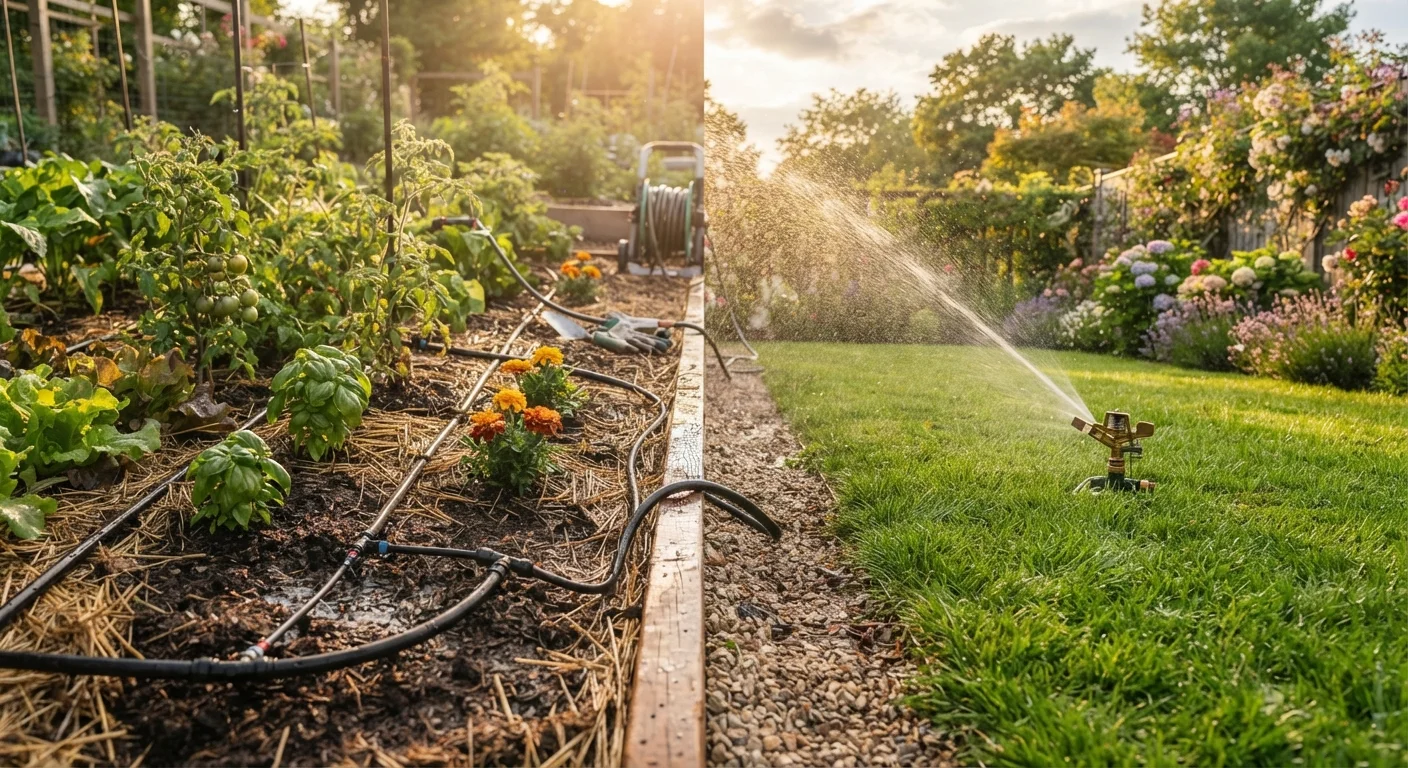
Match your method to your plants. Drip irrigation delivers water directly to the root zone and reduces evaporation, while sprinklers cover large areas efficiently. Our comparison of drip irrigation vs. sprinkler systems walks through the trade-offs in detail.
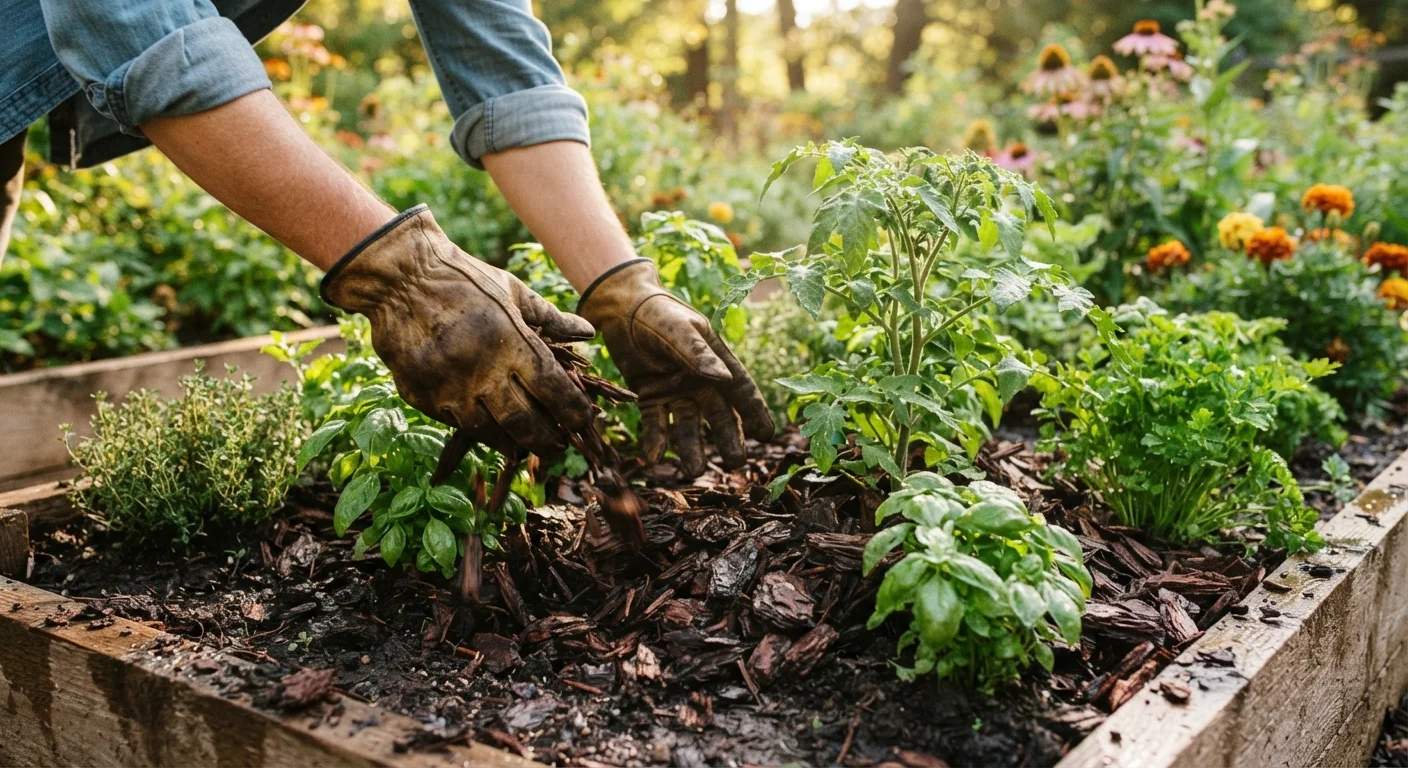
Use mulch strategically. A 2-3 inch layer of organic mulch around plants slows evaporation significantly, reducing how often you need to water. Learn more about getting it right in our guide to mulching done right.
Overwatering Is Harder to Reverse Than Underwatering
A plant stressed by drought can often recover quickly once watered correctly. A plant suffering from prolonged overwatering - especially one with root rot - is much harder to save. When in doubt about whether to water, check the soil first rather than assuming more is better.
Smarter watering is one of the highest-impact changes a gardener can make. Just as outdated rules in other areas - like unnecessary car maintenance routines covered in our article on car maintenance myths - waste time and money, clinging to watering myths wastes water and costs you healthy plants.