What Disorganization Really Costs
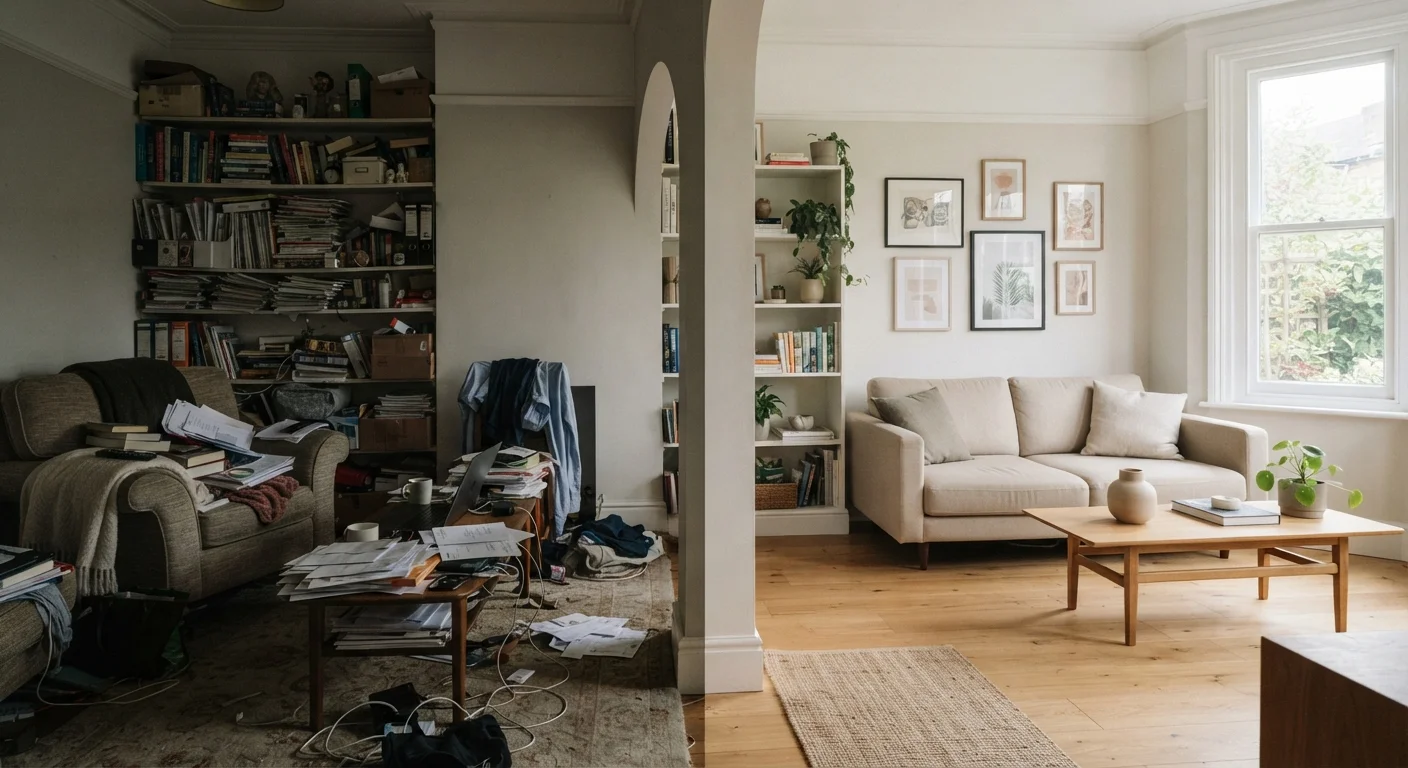
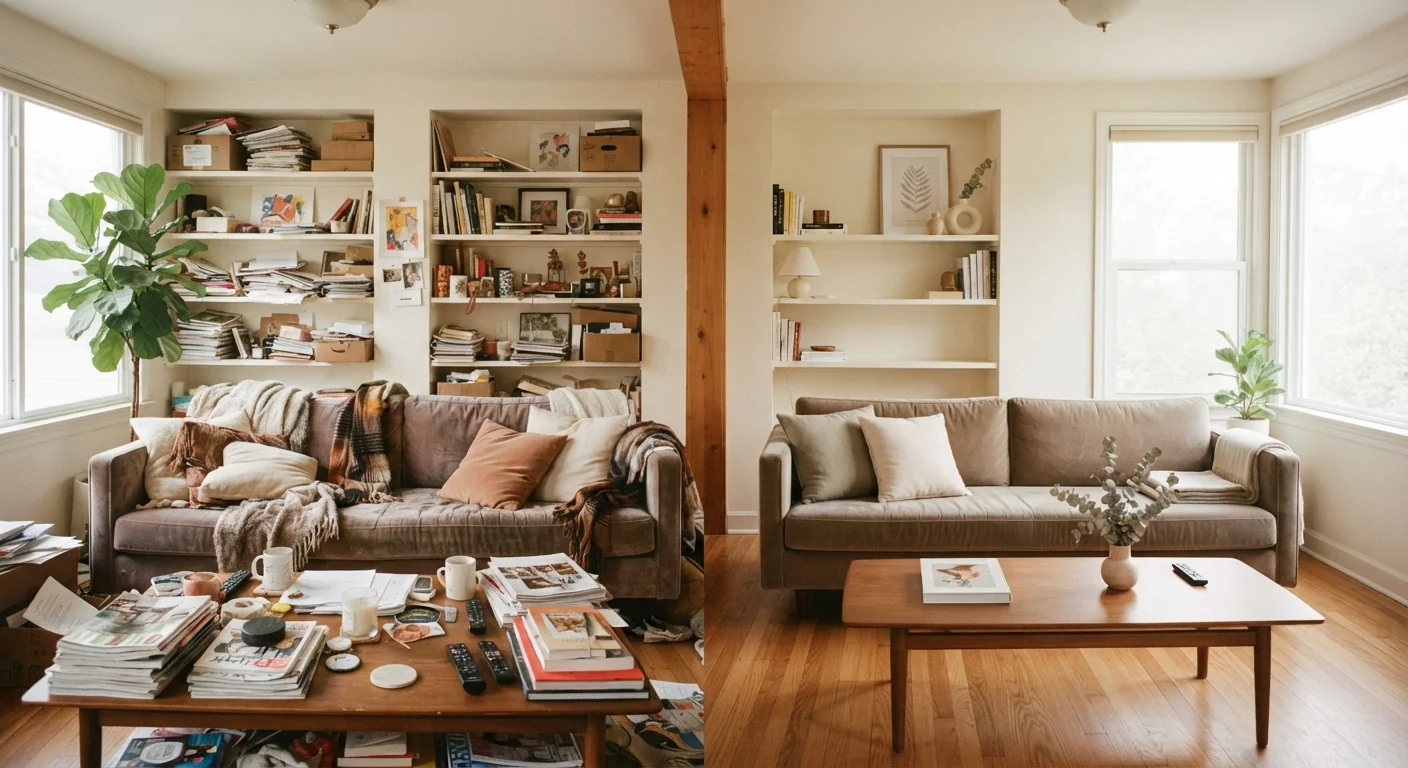
Most people think of disorganization as a visual problem - a messy room or an overflowing closet. But its real impact is functional. When your home lacks reliable systems for where things belong, you spend mental and physical energy managing small frictions all day: locating keys, tracking bills, digging for a tool you know you own somewhere.
These frictions compound quietly over time. A home that works against you creates drag on everything from morning routines to weekend projects - and rarely in ways that feel urgent enough to address right away.
25-55 min/day
Time reportedly lost searching for misplaced items
Estimates from consumer research vary widely; even at the lower end, this adds up to several hours per month lost to a single, addressable source of household friction.
30-40%
Share of purchased food lost to household waste
USDA research indicates American households waste a significant share of the food they buy - a cost that better pantry and refrigerator organization can meaningfully help reduce.
The Financial Price of a Disorganized Home
Disorganization has a surprisingly direct connection to household spending. The most common hit comes from buying things you already own. When items lack a reliable home, purchasing a replacement feels faster than searching - so duplicate chargers, pantry staples, and spare batteries quietly accumulate.
Late fees are another steady drain. Paper bills buried in piles, reminders lost in a cluttered inbox, and misplaced due-date calendars all contribute to missed payments. And perishables - food that spoils unseen at the back of the pantry or fridge - represent real money wasted week after week.
Delayed home maintenance is a longer-term concern. When appliances are hard to reach for routine cleaning and early warning signs get obscured by clutter, small problems can grow into larger, costlier ones before they are noticed.
The Time Drain You Might Not Notice
Time spent searching for misplaced items is the most obvious time cost - but rarely the only one. Consider extra store trips because you could not see what you already had, slow mornings caused by a cluttered entryway, or re-doing tasks because the right supplies were not where you expected them.
Decision fatigue also increases in a disorganized space. When nothing has a fixed home, every placement becomes a small choice. Those micro-decisions accumulate, leaving you with less cognitive energy for the things that actually matter.
Create a Landing Zone for Daily Items
Designate one consistent spot near your entry - a hook, a tray, or a small shelf - for everyday items like keys, wallet, and phone. When these objects always return to the same place, you eliminate one of the most common search-related time drains in the home. Start there before tackling larger organizational projects.
The Mental Load Clutter Creates
Research has associated cluttered home environments with elevated stress levels, particularly in spaces people rely on to relax and recover. A visually busy room asks your brain to process more information continuously - sometimes called visual noise. This can make it harder to fully unwind, concentrate, or feel at ease in your own home even after a long day.
The mental load is not about being a naturally tidy or untidy person - it is about what your environment silently asks of you. Understanding the psychology behind why clutter feels so overwhelming can help you approach the problem with self-compassion and a clearer strategy.
Where to Start Addressing It
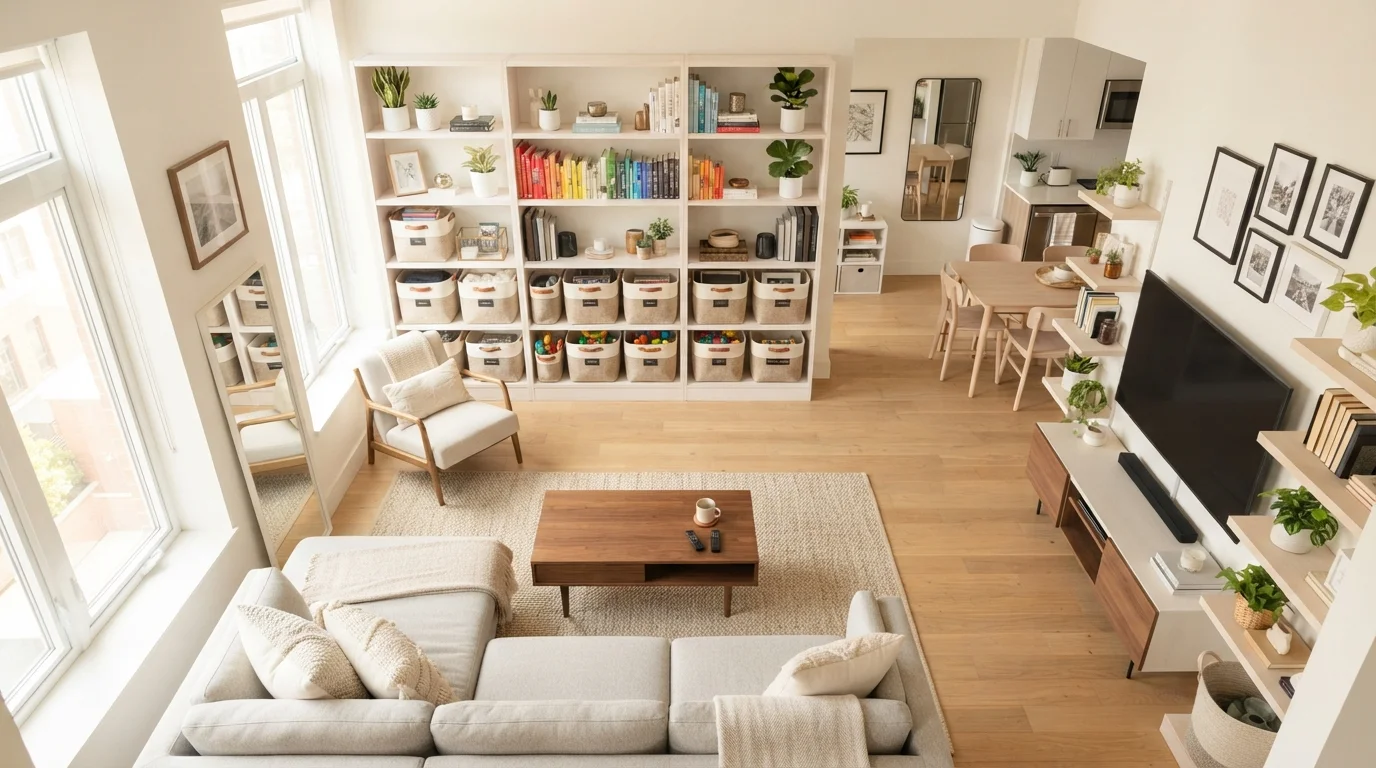
Reducing the hidden costs of disorganization does not require a full home overhaul. The most durable changes tend to come from small, consistent habits: a designated spot for everyday items, a weekly five-minute reset in each room, and a regular pass for things that no longer earn their space.
If the scope feels daunting, a room-by-room home organization checklist can make the process feel manageable. For those who feel paralyzed by where to start, decluttering without getting overwhelmed offers a gradual, step-by-step approach built around steady momentum rather than bursts of effort. And if your workspace is a particular challenge, organizing a home office for focus and function addresses the specific demands of a productive home workspace.