
Why Carrying Debt Doesn't Mean You Should Skip the Emergency Fund
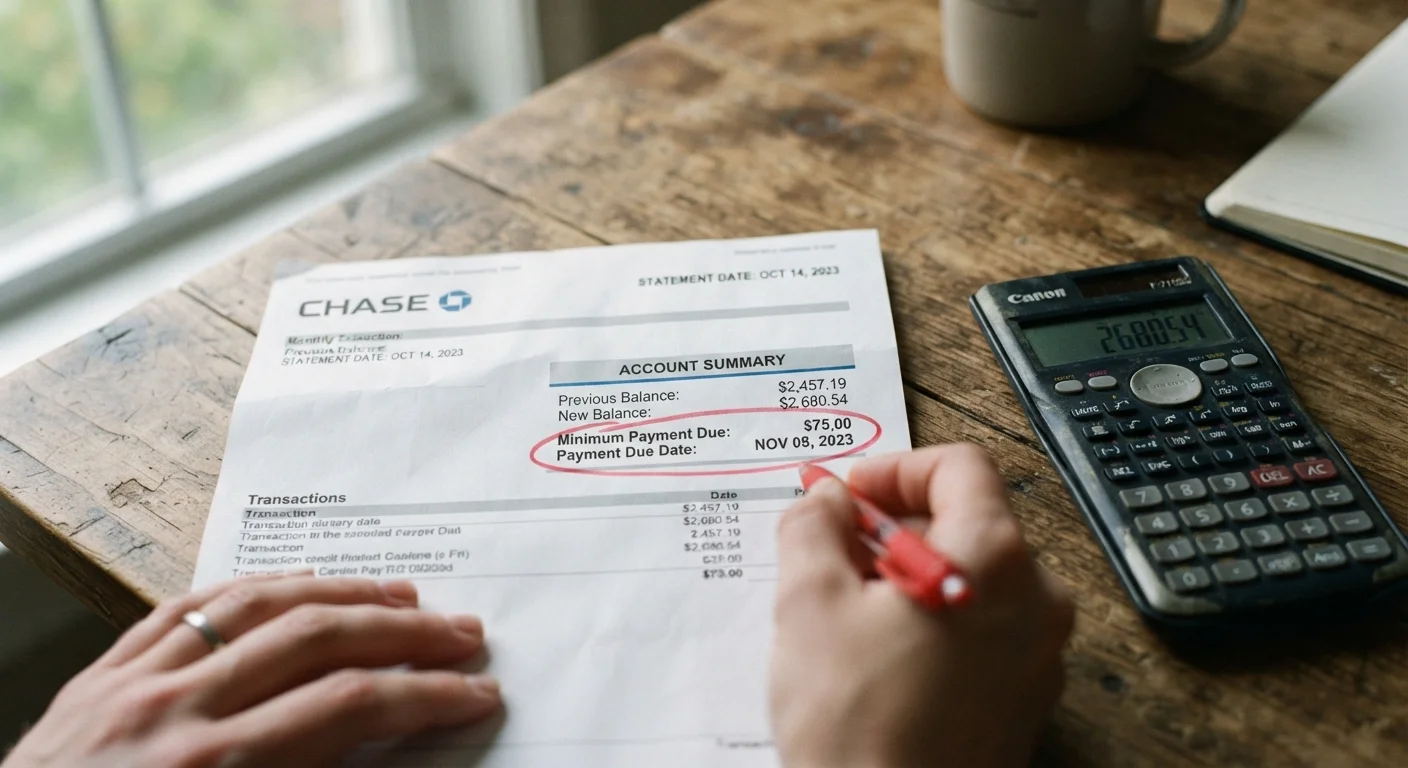
The instinct to put every available dollar toward debt is understandable-interest charges are real costs, and paying off balances does save money. But this approach has a significant flaw: without any cash reserve, a single unexpected expense often lands directly on a credit card, undoing weeks or months of repayment progress in one transaction.
Research consistently shows that many Americans don't have enough liquid savings to cover even a modest emergency expense. That reality makes a starter emergency fund-not a fully-funded one, but a functional buffer-one of the most protective financial steps you can take, even when you owe money.
Think of the emergency fund as insurance for your debt repayment plan. It's the mechanism that keeps a car repair or medical bill from derailing the progress you've made. The goal isn't to have both a large emergency fund and aggressive debt repayment simultaneously-it's to build a small buffer first, then tilt your focus toward debt, then grow the fund further over time. For broader context on building sound financial habits, see financial habits worth building before 40.
This Is General Financial Education
This article provides general financial information only-it is not personalised financial, investment, or tax advice. Your situation is unique. Consider speaking with a licensed financial professional before making significant changes to your debt repayment or savings strategy.
How to Build Your Emergency Fund While Managing Debt
The steps below walk through a practical sequence for building a starter emergency fund without abandoning your debt repayment commitments. Before starting, gather the tools and information listed below.
What you will need
Separate savings account
Keeps emergency funds physically and mentally distinct from spending money, reducing the temptation to dip in.
Monthly budget worksheet or app
Helps identify where cash is currently going so you can find room for a savings contribution.
Automatic transfer feature (from your bank)
Schedules a fixed recurring deposit to your emergency fund without requiring manual action each pay period.
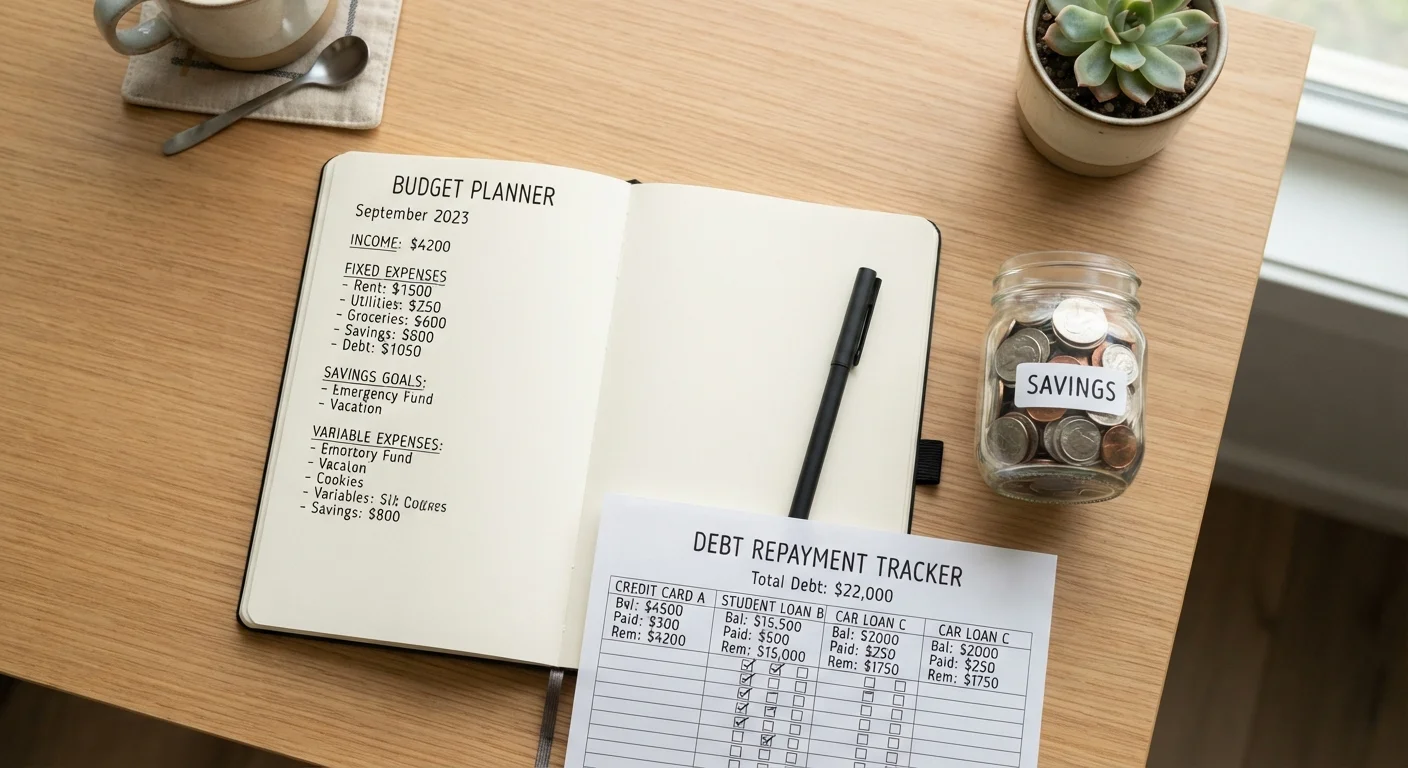
Debt payoff tracker
Keeps balances, interest rates, and minimum payments visible so you can prioritise which debts to target after the starter fund is built.
Set a realistic starter savings target
Rather than aiming immediately for the traditional three-to-six months of expenses, set a narrower initial goal: $500 to $1,000. This amount is achievable in a reasonable timeframe even on a tight budget, and it's enough to handle many common financial shocks-a car repair, a medical co-pay, a broken appliance-without reaching for a credit card and adding to your debt load.
Once this starter fund is built, you can shift your focus more aggressively toward debt repayment, then return to grow the fund further later.
Audit your current budget for breathing room
Pull up your last one to two months of bank and credit card statements. Categorise your spending into fixed necessities (rent, utilities, minimum debt payments), variable necessities (groceries, gas), and discretionary items (subscriptions, dining out, impulse purchases).
Look specifically at the discretionary category. Even freeing up $30-$60 per month gives you a meaningful savings rate without requiring dramatic lifestyle changes. Track every dollar using a simple spreadsheet or a budgeting tool. If you're new to this step, the budgeting basics hub offers practical frameworks for getting started.
Decide on a savings-to-debt split
Once you've identified available cash, you need a rule for allocating it between savings and debt repayment. A common starting point is a 70/30 split: 70% of any surplus goes toward debt (above the minimums), and 30% flows into your emergency fund.
This ratio isn't fixed-it depends on your interest rates, income stability, and how far you are from your savings target. Someone with high-interest debt might use 80/20; someone with lower-rate installment debt might flip it. For a deeper look at how to structure this decision, see the realistic framework for doing both at once.
Open a dedicated emergency savings account
Your emergency fund should live in an account that is separate from your everyday checking account. Keeping the money in a distinct account-ideally one without a debit card attached-creates both a psychological barrier against casual spending and a clear record of your progress.
A basic savings account at your current bank, or a high-yield savings account at an online institution, both serve this purpose. The priority right now is separation and accessibility, not maximising interest. You need to reach this money quickly in a genuine emergency, so avoid locking it in a certificate of deposit or similar account while the fund is still small.
Automate your contribution
Set up a recurring transfer from your checking account to your emergency savings account, timed to go out on or shortly after each payday. Even a fixed amount of $25-$100 per pay period compounds meaningfully over months without requiring ongoing willpower.
Automation is especially valuable when you're managing debt alongside savings, because it removes the temptation to redirect that money elsewhere. Once your starter fund goal is met, you can redirect or reduce the transfer and point more money at debt repayment.
Prioritise debt repayment once the starter fund is funded
When you hit your initial savings target, pause the heavy contribution to savings and redirect the surplus toward debt-specifically, toward the balance that is costing you the most in interest. This is where a structured payoff method becomes valuable.
The debt avalanche and debt snowball strategies represent two well-known approaches: the avalanche targets the highest-interest debt first (minimising total interest paid), while the snowball targets the smallest balance first (building psychological momentum). Choose the one that fits your situation. As balances fall, redirect freed-up cash thoughtfully between further debt reduction and growing your emergency fund toward a full three-to-six month cushion.
Automation Makes It Stick
Set up a scheduled automatic transfer to your emergency fund on payday-even $25 or $50 per pay period. Automating savings and debt payments removes daily decision-making from the equation, making consistent progress the default rather than the exception.
High-Interest Debt Compounds Quickly
If you carry high-interest debt-such as credit card balances-interest charges grow daily. While building a starter emergency fund still makes sense, prolonged focus on savings over aggressive debt repayment can cost you meaningfully more in interest over time. Once your starter fund is in place, redirect surplus dollars toward debt. See how minimum payments affect long-term costs for more context.
Maintaining the Balance Over Time
Building the fund and paying down debt is not a one-time event-it's an ongoing allocation decision that will shift as your balances change and your income evolves. A few principles help sustain the balance:
- Replenish when you draw down. If you use the emergency fund, treating it as a genuine priority to refill helps the buffer stay functional. Restart your automated contributions as soon as possible.
- Revisit the split periodically. As a high-interest debt is eliminated, the monthly cash freed up should have a clear destination: more savings, the next debt, or both. Planning this in advance prevents drift.
- Plan for predictable large expenses separately. One-off costs like car registration, annual insurance premiums, or holiday spending don't belong in your emergency fund. Sinking funds are a structured way to set aside money for known future costs so they don't surprise your budget.
If you're weighing how to handle a windfall-a tax refund, bonus, or side income-the decision of where it should go is worth thinking through carefully. See where extra money should go first for a framework that accounts for interest rates, taxes, and risk.
This article is for general informational and educational purposes only and does not constitute personalised financial advice. Please consult a licensed financial professional for guidance specific to your circumstances.