Why Cats Need a Gradual Introduction
Cats are territorial animals with complex social structures that differ fundamentally from dogs. Unlike many dog pairings that resolve quickly, a botched cat-to-cat introduction can produce lasting anxiety, resource guarding, and intermittent aggression that persists for years. The good news is that a methodical, phased approach - one grounded in feline behavior science - dramatically improves the odds of a peaceful outcome.
If you are still preparing your home for a first cat, our guide for new cat owners covers the foundational setup every feline needs before a second animal ever enters the picture.
Vet Check Before Any Introduction
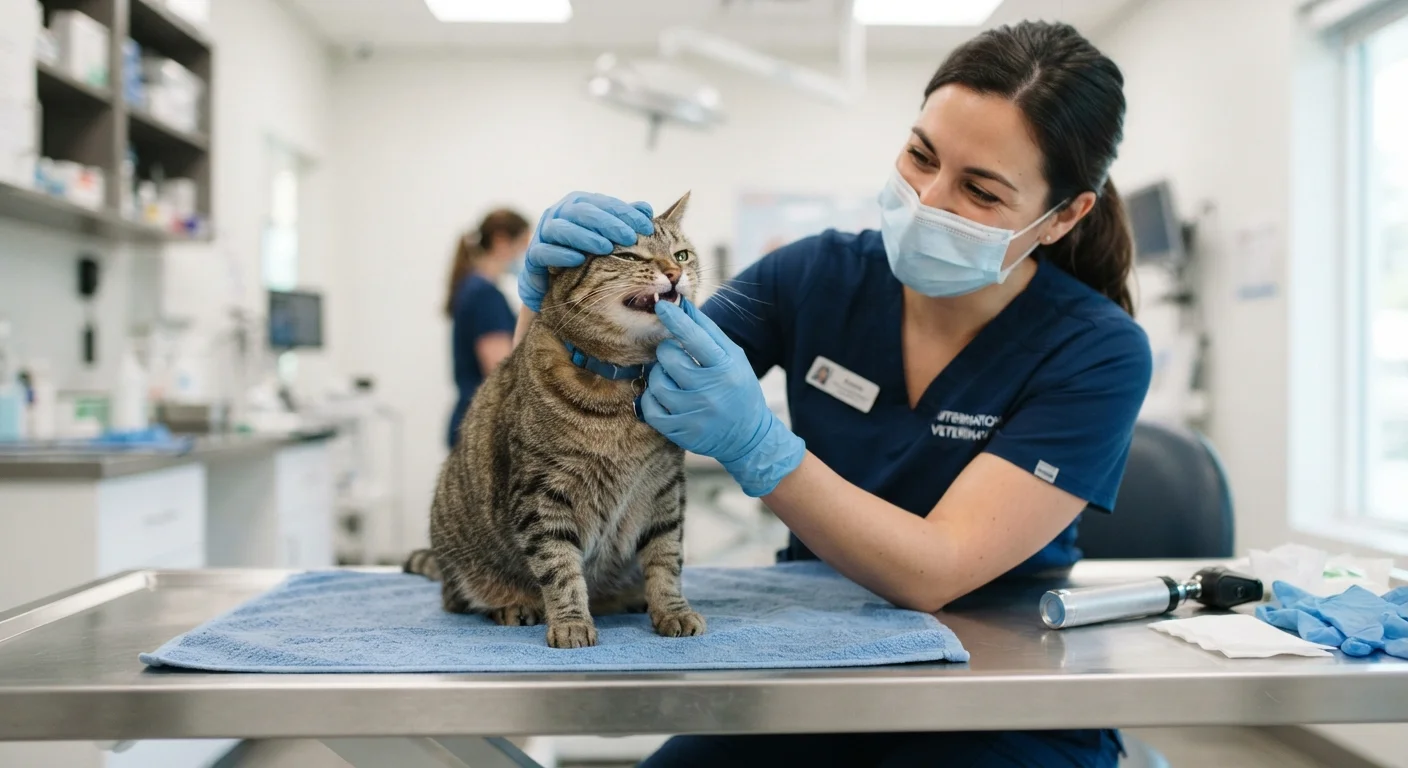
Before your new cat meets your resident cat, schedule a veterinary exam and confirm all vaccinations, flea prevention, and parasite treatment are current for both animals. Introducing an unwell or unvaccinated cat puts both pets at risk. Keep the newcomer isolated from your resident cat until you have a clean bill of health from your veterinarian.
The key principle behind every step below is this: allow familiarity to build through scent and sound before any visual contact, and allow visual contact before any physical access. Skipping phases - even when both cats seem curious - increases the risk of an aversive first encounter that is difficult to walk back.
Separate room with a closeable door
Gives the new cat a safe sanctuary and creates a physical barrier for the scent and visual introduction phases.
Extra litter box
Provides one litter box per cat plus one additional box - the standard recommended minimum for multi-cat homes.
Soft cloth or sock
Used to collect and swap each cat's facial scent pheromones during the scent introduction phase.
Baby gate or screen door
Allows visual contact between cats while keeping them safely separated before free-roaming meetings.
Interactive wand toy
Redirects each cat's attention and energy during controlled visual sessions, reducing tension.
Feliway or synthetic pheromone diffuser
May help reduce general anxiety in both cats during the adjustment period; consult your veterinarian about use.
Before you begin, confirm you have everything listed above, and review the prerequisites that must be in place.
What you will need
Step-by-Step Introduction Protocol
The following protocol reflects the graduated approach recommended by veterinary behaviorists. Timelines are guidelines - always let the cats' behavior, not the calendar, determine when to advance. Some pairs move through all phases in two weeks; others need six or more.
Use Feeding Time to Build Positive Associations
During every phase of the introduction, feed both cats on opposite sides of the barrier at the same time. Associating the other cat's scent or presence with something as rewarding as a meal is one of the fastest ways to replace suspicion with neutral or positive feelings. Gradually move the bowls closer to the barrier over several sessions.
Set Up a Separate Safe Room for the New Cat
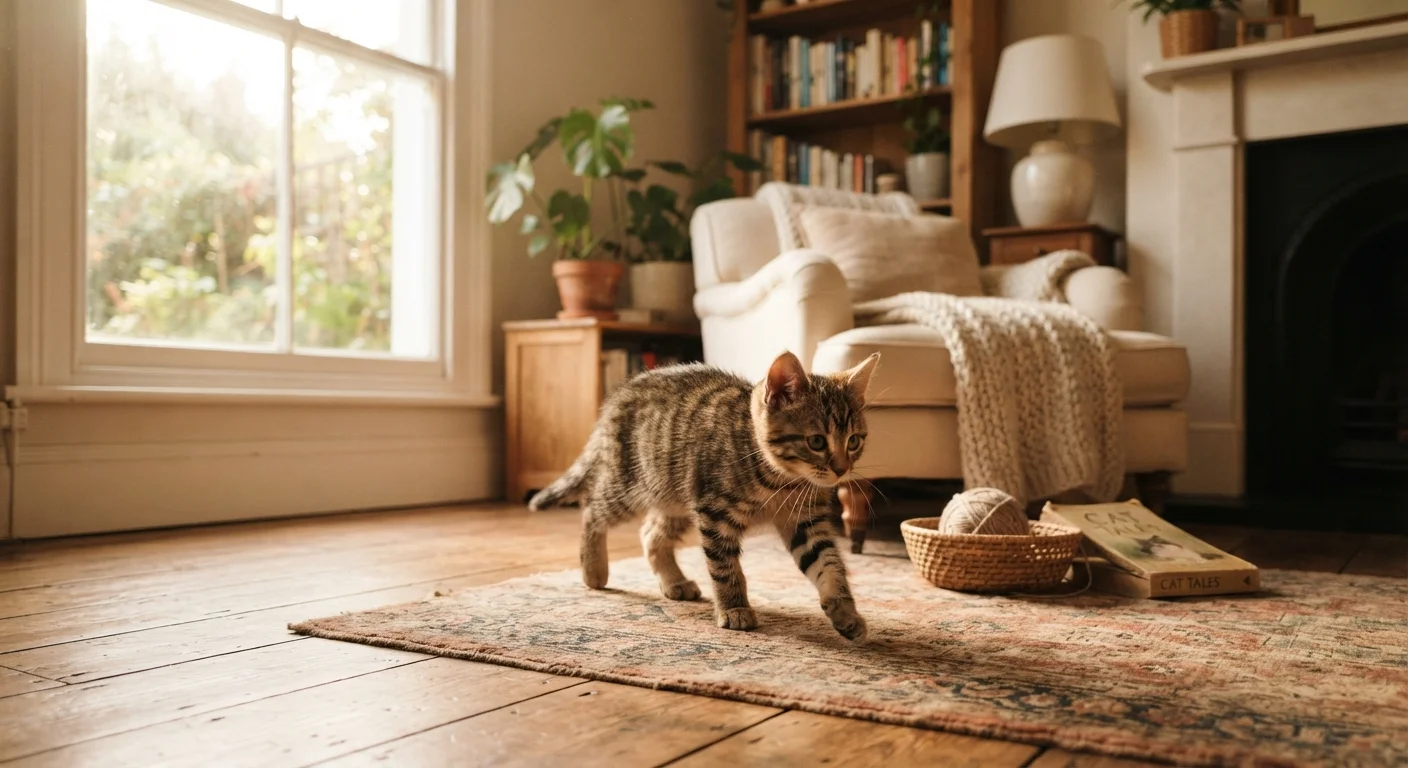
Before the new cat arrives, prepare a dedicated room - a spare bedroom, bathroom, or office works well. Stock it with food, water, a litter box, bedding, a scratching post, and at least one hiding spot such as an open carrier or cardboard box. This space is the new cat's entire world for the first phase and must feel secure, not sparse.
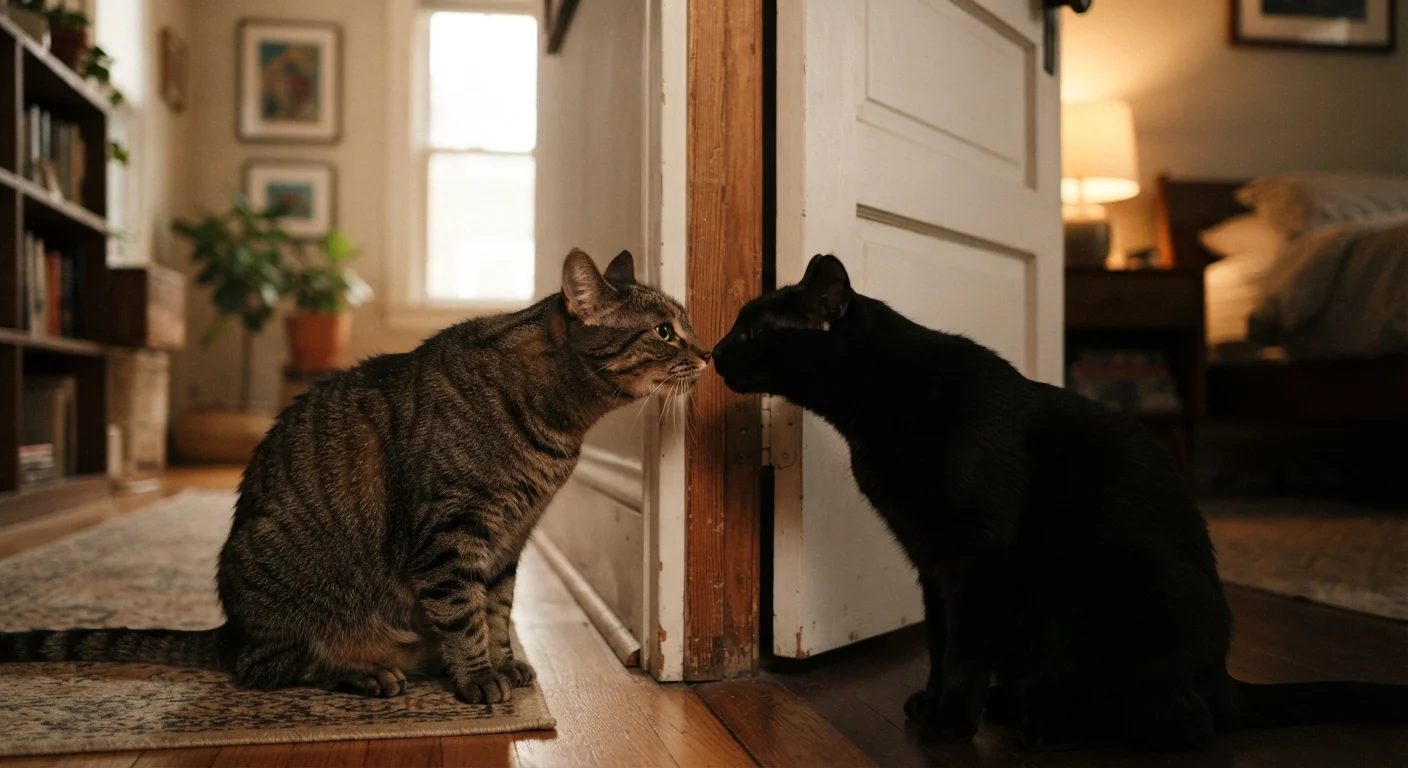
Keep the door closed at all times. Your resident cat will smell the newcomer under the door, and that early, pressure-free exposure to an unfamiliar scent begins the acclimation process without any risk of confrontation.
Swap Scents Before Any Visual Contact
After two to three days - or longer if either cat is still highly stressed - begin deliberate scent swapping. Gently rub a soft cloth along one cat's cheeks and chin (where scent glands are concentrated), then place that cloth near the other cat's food bowl. Repeat in the opposite direction with a second cloth.
You can also swap bedding between the cats, or allow each cat to briefly explore the other's room while the other cat is elsewhere. The goal is familiarity without pressure. Continue this phase until both cats show relaxed, curious, or indifferent responses to the scent - not hissing, growling, or hiding.
Introduce Visual Contact Through a Barrier
Once scent swapping is going smoothly, crack the safe room door open an inch or install a baby gate or screen door so the cats can see and smell each other without physical access. Keep the first visual sessions brief - five to ten minutes - and supervise the entire time.
Watch body language carefully. Relaxed postures, slow blinking, or simple curiosity are positive signs. Flattened ears, puffed tails, or sustained staring are signs to end the session and try again the following day. Use a wand toy to give each cat something to focus on other than the other animal during these sessions.
Allow Controlled Free-Roaming Meetings
When both cats can sit calmly near the barrier without sustained stress responses, open the door and allow supervised free-roaming contact. Do not carry one cat to the other - let them approach on their own terms. Keep escape routes available: neither cat should feel cornered.
Initial meetings may include hissing, swatting, or brief chasing. This is common and does not mean the introduction has failed. Sustained fighting or screaming requires immediate separation and a return to the previous phase. Keep sessions short and gradually increase duration as both cats remain calm.
Establish Permanent Resources for Each Cat
Once free-roaming is going well, permanently arrange resources so neither cat has to compete. The standard veterinary guideline is one litter box per cat plus one additional box - so two cats means three boxes, ideally in different locations. Provide at least two feeding stations and multiple elevated resting spots so the cats can be in the same room without feeling forced into close proximity.
Resource competition - particularly over litter boxes - is one of the most common drivers of inter-cat tension in multi-cat homes. Removing competition from the equation reduces stress for both animals long after the formal introduction phase is complete.
Never Force a Face-to-Face Meeting Early
Putting two unfamiliar cats together without preparation almost always triggers fear and aggression that can persist for months. If a meeting turns violent - sustained attacking, screaming, or injury - separate the cats immediately and restart the process from an earlier phase. Do not punish either cat for aggressive reactions; this increases anxiety and makes the process harder.
Once your cats are sharing space comfortably, ongoing enrichment matters as much as the introduction itself. Our article on routine cat care owners often overlook is a useful next step for keeping both cats healthy and unstressed long-term. You may also want to review indoor vs. outdoor considerations as you decide how each cat's environment will be managed going forward.