Why Lifestyle Choice Matters More Than You Might Think
Deciding whether a cat lives exclusively indoors, roams freely outside, or experiences a supervised combination of both is one of the most consequential choices an owner makes. It shapes the cat's exposure to injury and disease, its behavioral wellbeing, and - over time - its lifespan. Veterinary and animal welfare organizations generally favor indoor living for safety reasons, but the picture involves real trade-offs worth understanding clearly. Routine preventive care matters under any arrangement; see our guide to preventive care owners often overlook for a broader checklist.
The Case for Keeping Cats Indoors
Indoor cats are shielded from a long list of hazards that shorten the lives of outdoor cats: vehicle strikes, predator attacks, poisoning from lawn chemicals or antifreeze, and encounters with other cats that transmit diseases such as feline leukemia virus (FeLV) and feline immunodeficiency virus (FIV). Veterinary consensus consistently finds that indoor cats have considerably longer average lifespans than free-roaming cats, though individual circumstances vary widely.
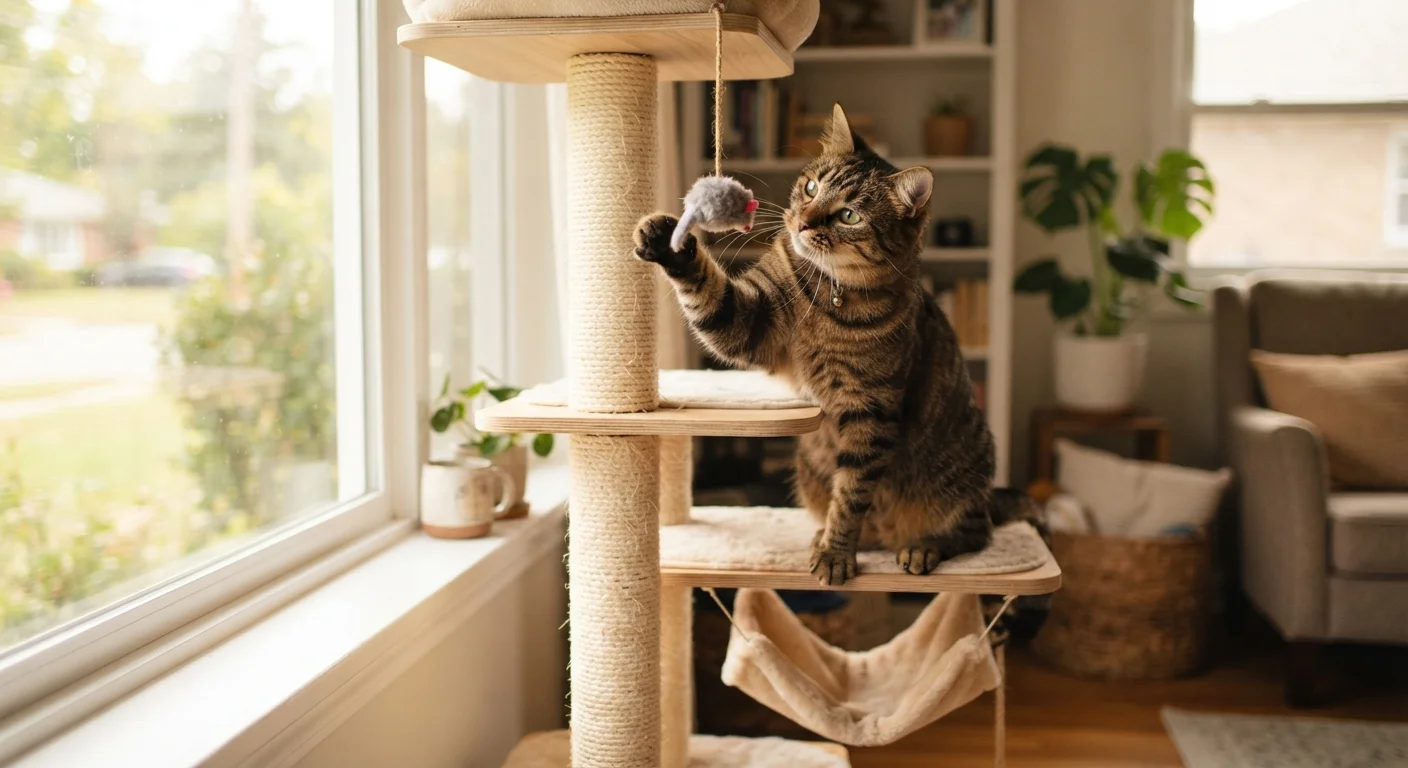
The trade-off is behavioral. Cats evolved as active hunters, and an unstimulating indoor environment can produce boredom, anxiety, destructive behavior, and obesity. Owners must compensate deliberately - through puzzle feeders, vertical climbing structures, interactive play sessions, and sensory variety. Our dedicated resource on enrichment for indoor cats covers evidence-based strategies in depth. Nutrition also plays a role: because indoor cats are often less active, caloric balance matters. What cats actually need to eat is a useful companion read.
Enrichment Is Not Optional for Indoor Cats
A cat confined without adequate stimulation may develop stress-related conditions including over-grooming, urinary issues, and aggression. Aim for at least two structured interactive play sessions daily, rotate toys regularly to maintain novelty, and provide vertical space for climbing and observation. These are baseline needs, not extras.
The Realities of Outdoor and Free-Roaming Access
Cats that spend time outdoors unsupervised experience richer sensory environments and more opportunities for natural behaviors - stalking, climbing, patrolling territory. For some cats, particularly those already acclimated to outdoor life, confinement can cause genuine distress.
However, the risk profile is substantially elevated. Outdoor cats face higher rates of parasitic infection (fleas, ticks, intestinal worms), upper respiratory illness, abscesses from cat fights, and traumatic injury. Identification becomes more critical: microchipping is widely recommended by veterinarians for any cat with outdoor access. Geographic context matters too - risks differ significantly between a busy urban street and a quiet rural property.
Outdoor Access Requires Active Preventive Care
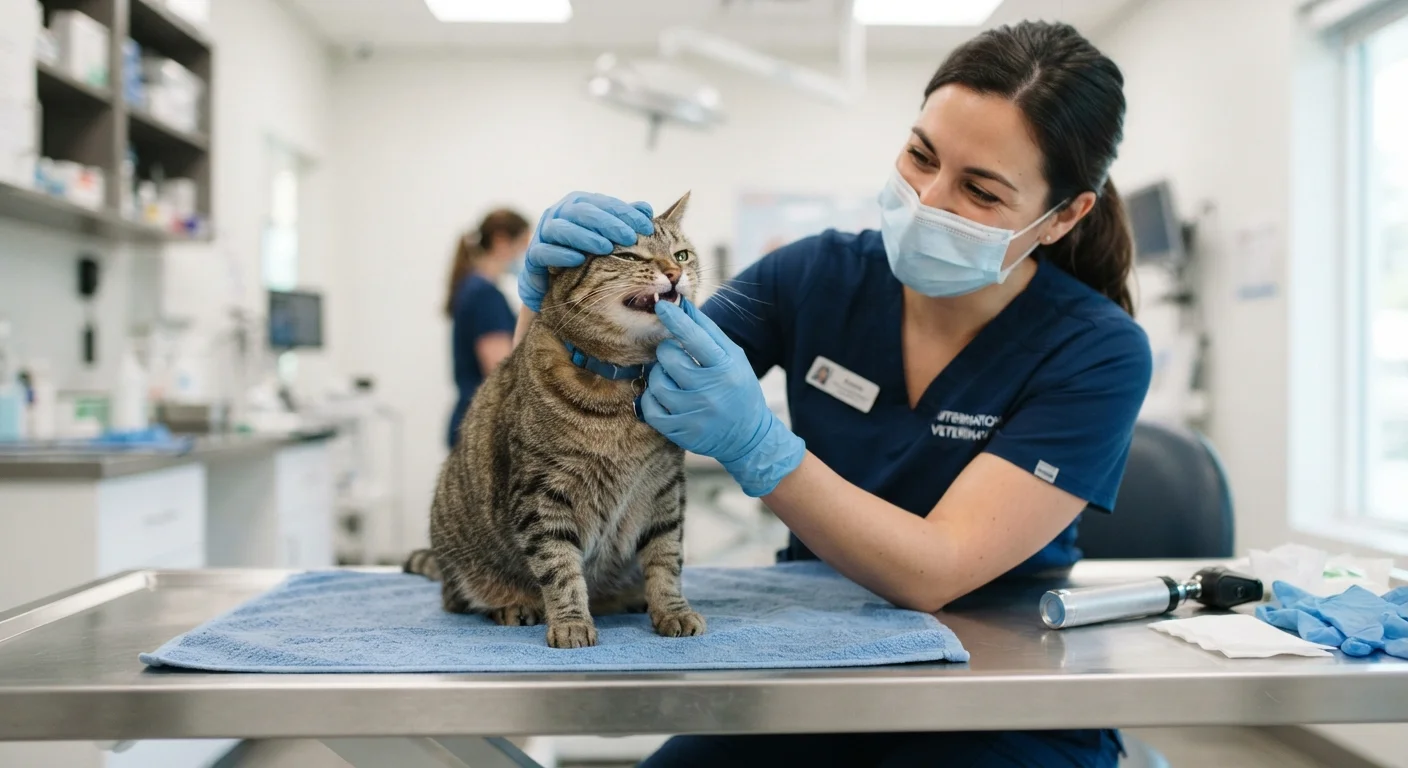
Any cat with outdoor access - even occasional - should be on a veterinarian-recommended parasite prevention program covering fleas, ticks, and intestinal parasites. Vaccination protocols for outdoor cats typically differ from indoor-only protocols. Discuss the appropriate schedule with your veterinarian based on your cat's specific exposure risks.
Supervised Outdoor Access: The Middle Path
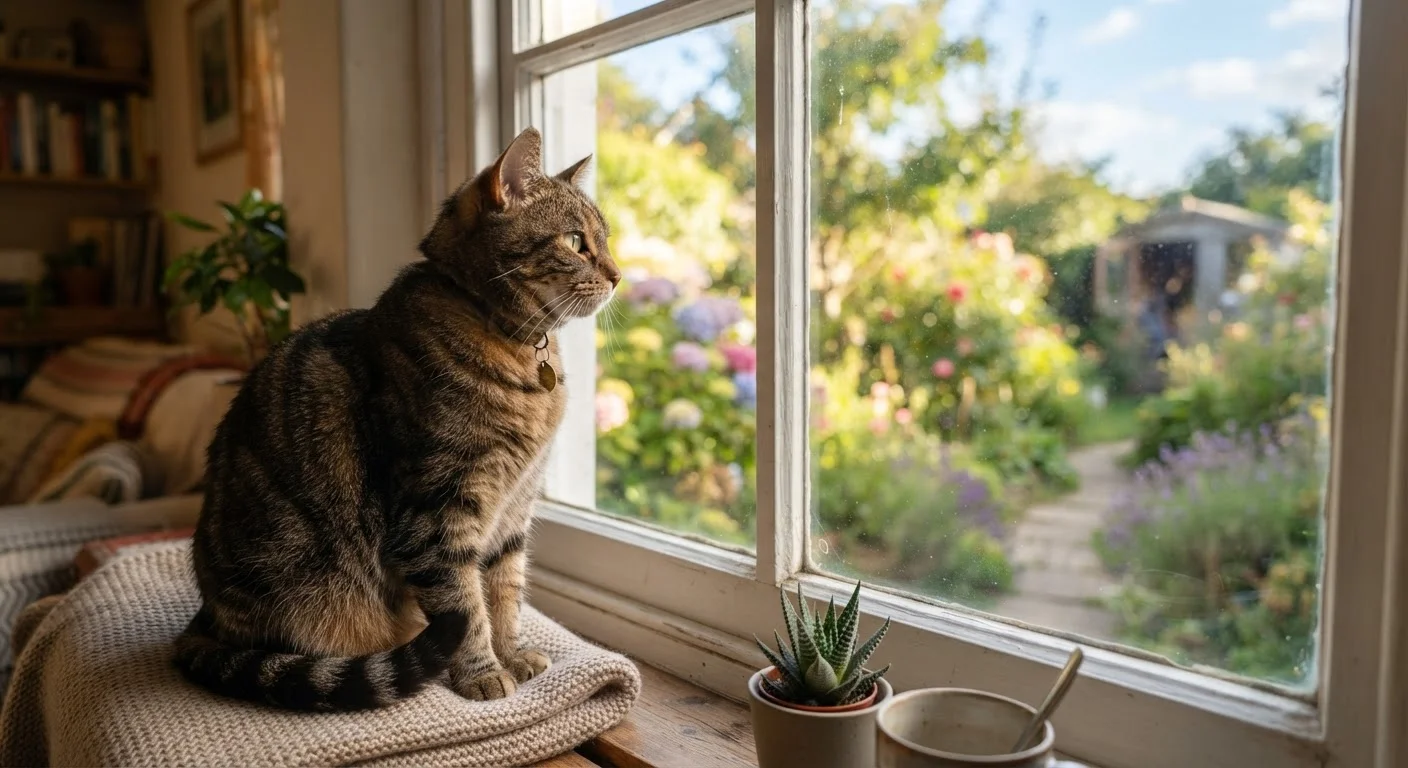
Enclosed outdoor structures - commonly called catios - and harness-and-leash training offer a genuine compromise. They allow cats to experience fresh air, sunlight, and sensory stimulation while remaining protected from traffic, predators, and uncontrolled contact with other animals. A securely built catio attached to a window or door can be a practical, low-supervision solution. Leash training requires patience and works better with cats introduced to it young, though some adult cats adapt well.
This approach suits cats with high exploratory drive whose owners cannot accept the risks of free roaming. It also suits households in urban settings where outdoor hazards are concentrated. The effort and cost involved in building or maintaining these setups are real factors to weigh.
| Indoor | Supervised Outdoor | Free-Roaming Outdoor | |
|---|---|---|---|
| Average lifespan | Longest (generally 12-18+ years) | Moderate to long | Shorter on average |
| Injury and trauma risk | Very low | Low | High |
| Infectious disease exposure | Very low | Low to moderate | High |
| Parasite exposure | Low | Moderate | High |
| Behavioral enrichment (natural) | Requires active owner effort | Moderate - some natural stimulation | High - natural environment |
| Owner time and cost investment | Enrichment setup required | Catio build or leash training | Lower setup; higher vet costs |
| Wildlife impact | None | Minimal | Significant predation possible |
How to Choose What Works for Your Cat
There is no universal right answer. A cat's individual temperament matters: some cats are content and calm indoors; others pace, vocalize persistently, or become destructive - signals that their behavioral needs are unmet. A cat's health status is also relevant; a cat with FIV or FeLV, for example, should typically be kept indoors to protect both the cat and others. Age and history play a role: a cat that has roamed freely for years is a different situation from a kitten raised entirely inside.
Local environment is a practical filter. Dense traffic, wildlife predators, and disease prevalence in the local cat population all shift the risk calculation. Wherever a cat lives, parasite prevention and regular veterinary checkups remain non-negotiable. If you share your home with multiple cats, lifestyle management also intersects with social dynamics - introducing a second cat adds complexity worth planning for.