What Actually Happens During the Procedure
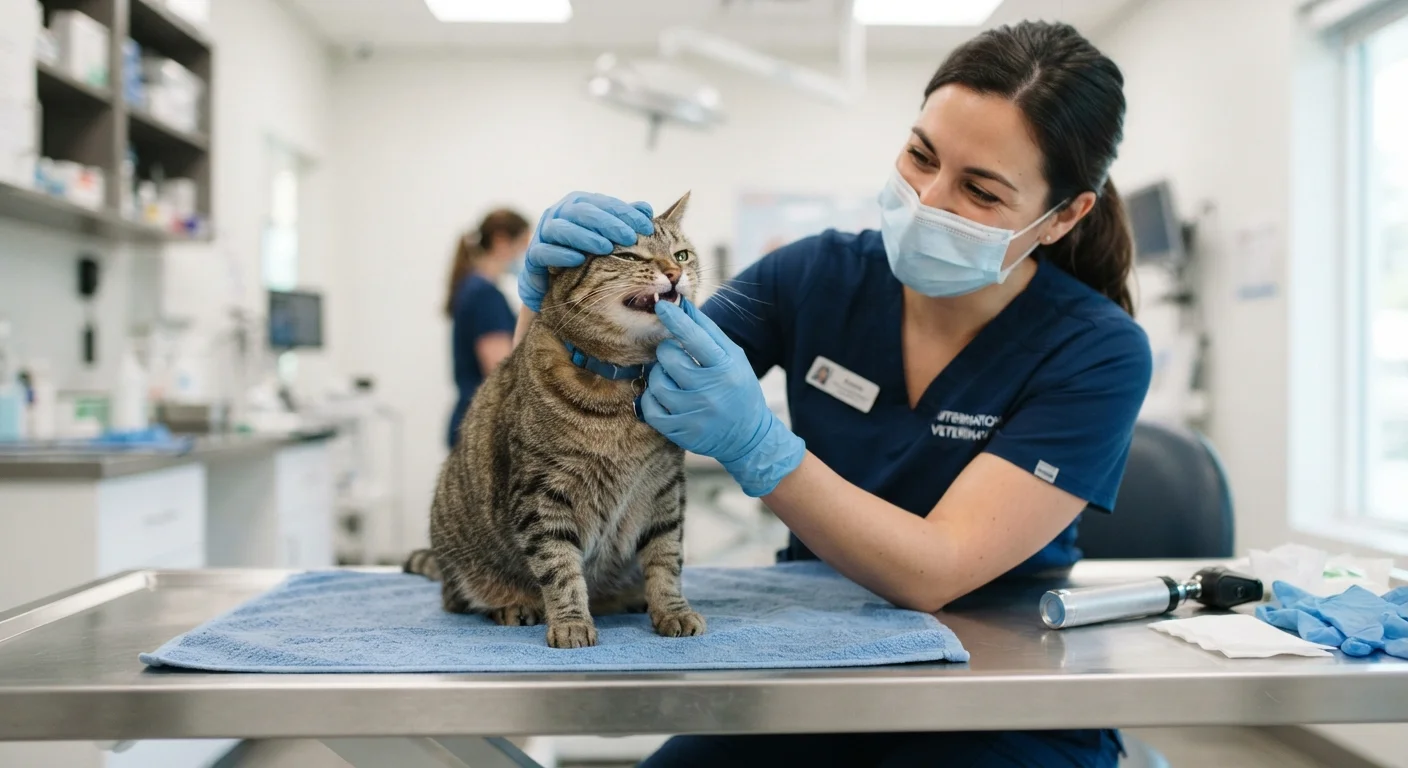
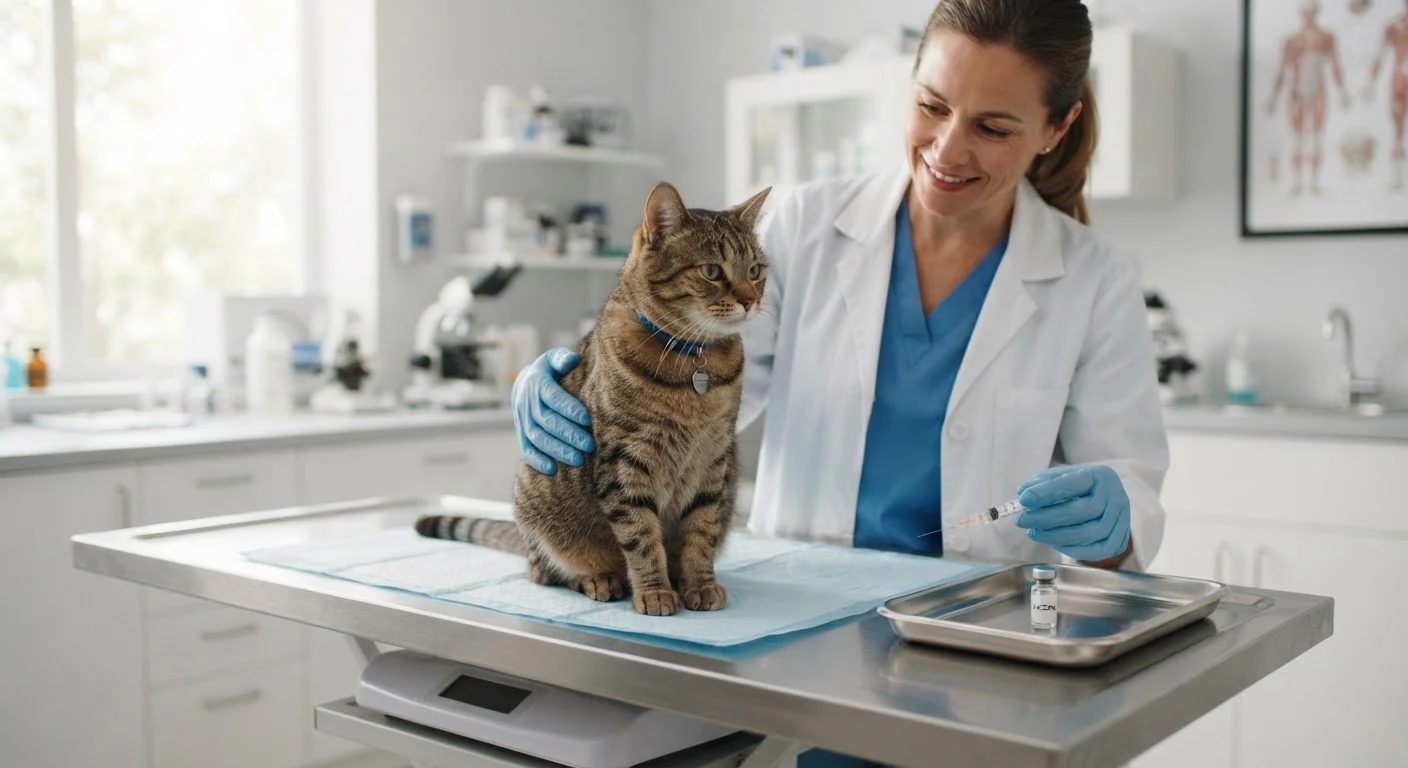
Both spaying and neutering are performed under general anesthesia in a veterinary clinic. Before surgery, your cat will typically be assessed for overall health, and a pre-anesthetic exam - sometimes including bloodwork - is used to confirm the animal is fit for anesthesia.
For a spay, the surgeon makes a small incision in the abdomen and removes the ovaries and uterus. The incision is closed with sutures, some of which may be internal and dissolve on their own. The procedure generally takes 20 to 90 minutes depending on the cat's size, age, and whether she is in heat or pregnant at the time.
For a neuter, one or two small incisions are made in the scrotal area, the testicles are removed, and the incisions are closed - sometimes without sutures at all. The procedure is shorter and less invasive than a spay, typically taking under 30 minutes.
Pain management is a standard part of modern veterinary surgical care. Cats typically receive pre- and post-operative pain medication to ensure a more comfortable recovery.
Talk to Your Vet About Timing
The ideal age for spaying or neutering can vary based on your cat's breed, size, and overall health. Large or mixed-breed cats sometimes warrant a different timeline than the general recommendation. A brief pre-surgical consultation gives your vet the chance to tailor timing to your individual cat's needs.
Why Veterinarians Consistently Recommend It
The case for spaying and neutering goes beyond population control, though that is certainly significant - unmanaged feline reproduction contributes to large numbers of homeless cats in communities across the United States.
From a health standpoint, the benefits are well established in veterinary medicine:
- Spayed females have a greatly reduced risk of mammary (breast) tumors, especially when spayed before their first or second heat cycle. They are also protected from pyometra, a potentially life-threatening uterine infection that is relatively common in intact older females.
- Neutered males cannot develop testicular cancer and face a lower risk of prostate problems. They are also less likely to engage in behaviors - like roaming and fighting - that put them at risk of injury or infectious disease.
Veterinary organizations including the American Veterinary Medical Association (AVMA) support spay and neuter as a cornerstone of companion animal care. Pair this with other preventive steps covered in our guide to routine cat care that owners often overlook for a comprehensive approach to your cat's long-term health.
~90%
Reduction in urine spraying after neutering
Studies cited by veterinary behaviorists suggest neutering eliminates or substantially reduces spraying in the large majority of male cats, particularly when performed early.
7x
Higher mammary tumor risk in intact females
Intact female cats are reported to be significantly more likely to develop mammary tumors compared with cats spayed before their first heat, according to veterinary oncology literature.
4-6 months
Typical recommended age for surgery
This window, endorsed by major veterinary organizations, allows kittens to benefit from early hormonal intervention before the first heat cycle or sexual maturity.
Behavioral Changes to Expect
Hormones drive a significant amount of feline behavior that owners often find disruptive. After spaying or neutering, many of these behaviors are reduced or eliminated:
- Urine spraying: Intact male cats spray strong-smelling urine to mark territory. Neutering eliminates this behavior in the majority of males, especially when done before the behavior becomes established.
- Vocalizing during heat: Female cats in heat produce loud, persistent vocalizations that can be startling. Spaying ends heat cycles entirely.
- Roaming: Both intact males and females in heat are motivated to escape and find mates, increasing their risk of injury, fights, and disease exposure.
- Aggression between males: Inter-cat aggression, particularly in multi-cat households, is often reduced after neutering.
It is worth noting that behaviors already deeply established before surgery may persist to some degree - early intervention generally produces the most complete behavioral changes. If your cat shows unusual behavior at any point, our guide to warning signs that warrant a vet visit can help you decide when to act.
“Spaying and neutering remain among the most impactful preventive health decisions a cat owner can make - the benefits extend well beyond population control and directly support individual animal welfare.”
— American Veterinary Medical Association, National veterinary professional organization representing over 99,000 veterinarians in the United States
Recovery: What to Expect at Home
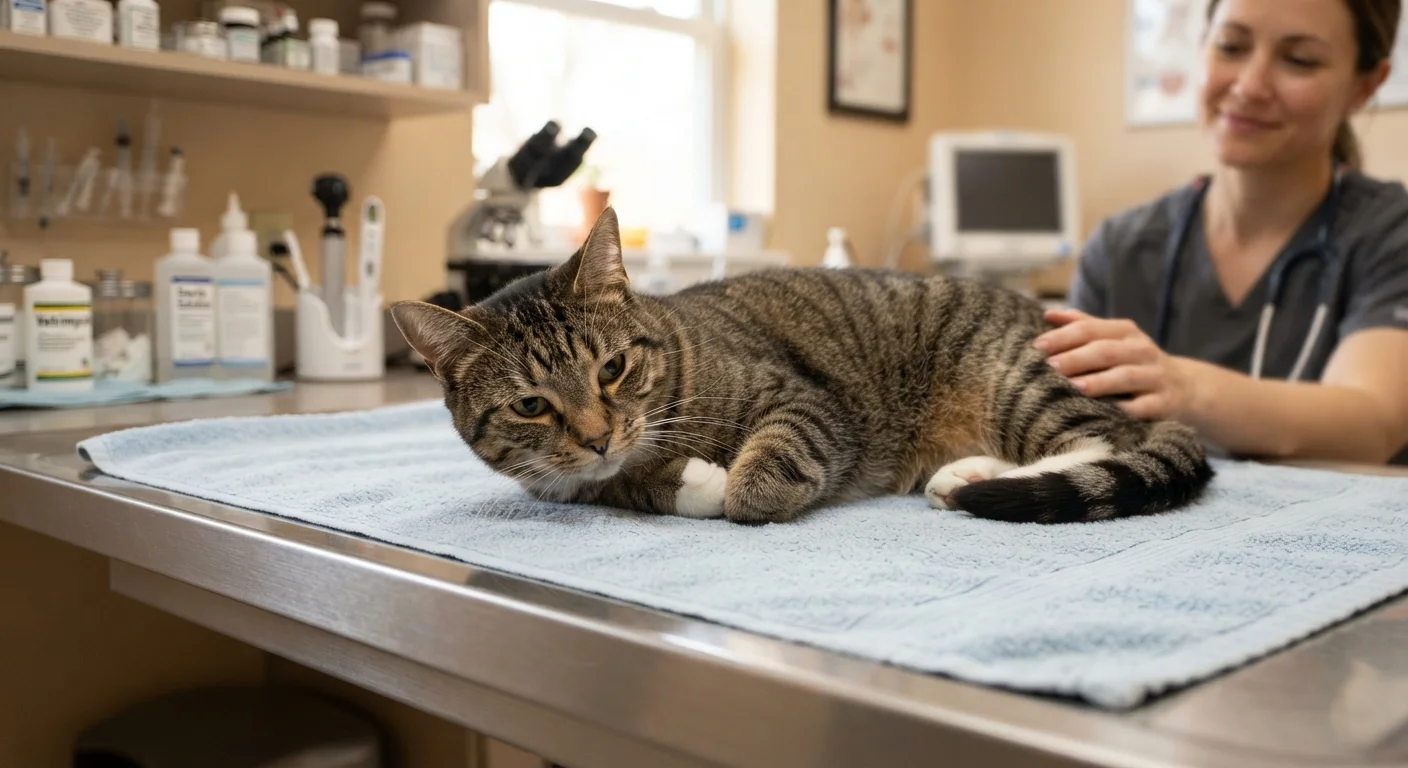
Most cats are discharged the same day as surgery and recover at home with straightforward owner care. The following practices help ensure smooth healing:
- Restrict activity for at least seven to ten days. No jumping, running, or rough play - keep your cat in a calm, contained area if needed.
- Check the incision daily for signs of redness, swelling, discharge, or opening. A small amount of bruising is normal; significant changes should be reported to your vet.
- Prevent licking of the incision site. An e-collar (cone) or surgical recovery suit is usually sent home with your cat for this purpose. Licking introduces bacteria and can reopen sutures.
- Follow medication instructions precisely, including any pain relievers or antibiotics prescribed.
- Attend the follow-up appointment if your vet schedules one for suture removal or a healing check.
Because altered cats may have slightly reduced caloric needs, this is also a good time to revisit your cat's diet with your veterinarian. Keeping your cat at a healthy weight pairs naturally with other ongoing care - including the vaccines discussed in our cat vaccinations explainer and the considerations around microchipping.
This article is for general informational and educational purposes only and is not a substitute for professional veterinary advice. Always consult a licensed veterinarian regarding decisions about your cat's health and care.