What Each Feeding Approach Actually Involves
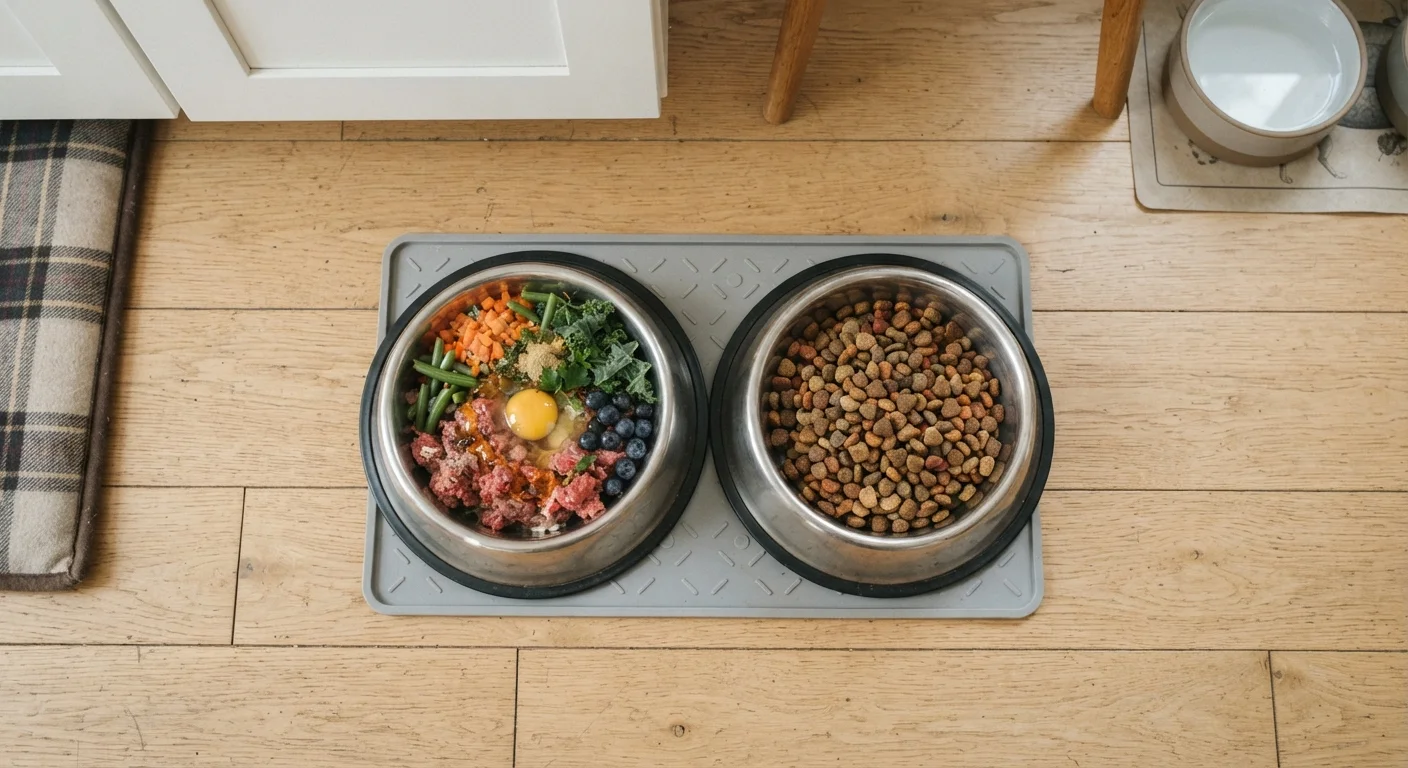
A raw diet - sometimes called BARF (Biologically Appropriate Raw Food) or a whole-prey model - typically includes uncooked muscle meat, raw meaty bones, organ meat, and often fruits or vegetables. Some owners prepare these meals at home; others purchase commercially pre-made raw formulas that are frozen or freeze-dried.
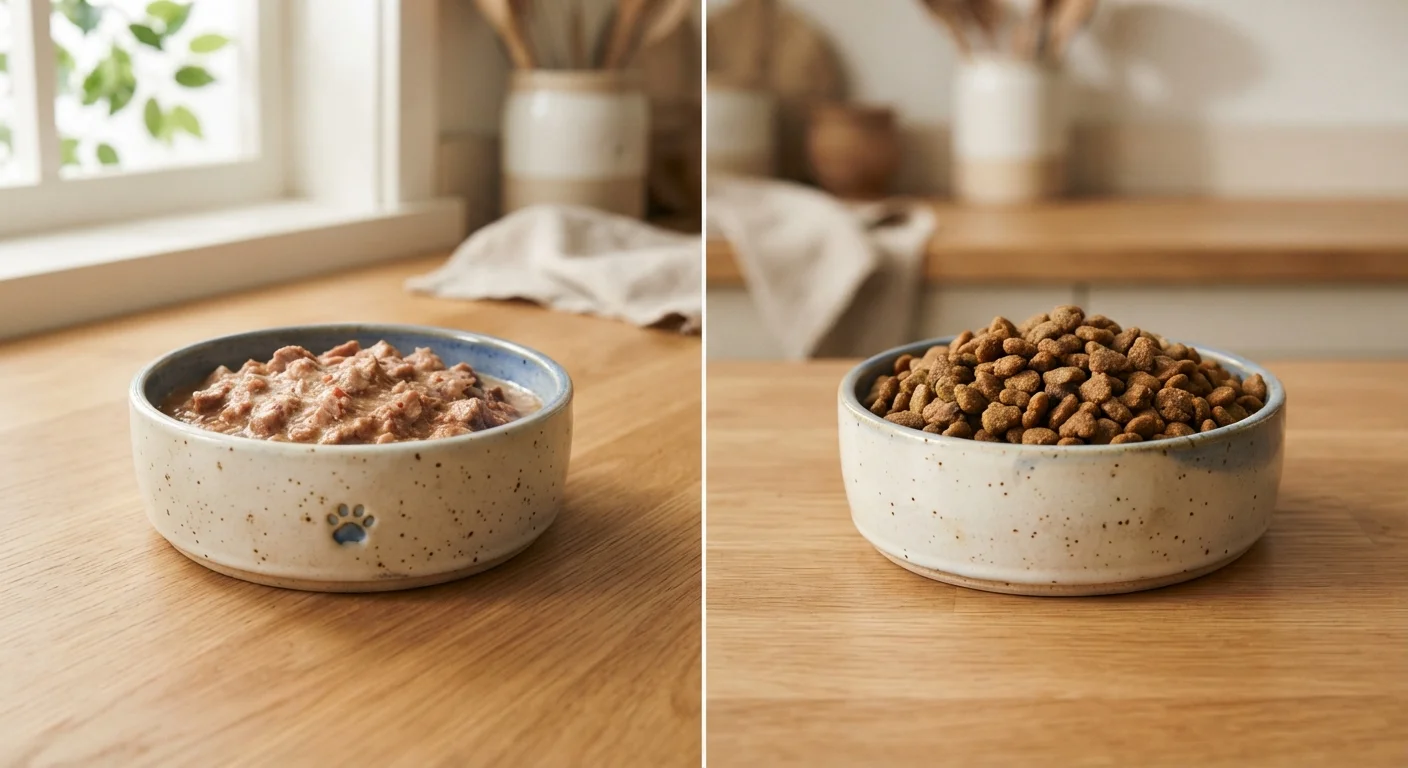
Commercial kibble is a dry extruded food manufactured to meet defined nutritional standards. Reputable products are formulated to meet the Association of American Feed Control Officials (AAFCO) nutrient profiles, which serve as a baseline for completeness and balance. Kibble undergoes high-heat processing that significantly reduces pathogen risk and extends shelf life.
Both approaches sit on a spectrum. A dog owner might feed only kibble, only raw, or a combination - sometimes called hybrid feeding. Understanding what each method delivers - and demands - is the starting point for any informed decision. For dogs at different life stages, nutritional needs also shift considerably; see our guide on feeding an older dog for how senior dogs require adjusted nutrient ratios.
Nutrition: Strengths and Gaps in Each Diet
Proponents of raw feeding point to minimally processed ingredients, higher moisture content, and the absence of synthetic additives. Some dogs with digestive sensitivities or food intolerances reportedly do better on raw formats, though robust peer-reviewed evidence for these outcomes remains limited.
The critical challenge with raw diets - particularly home-prepared ones - is achieving nutritional completeness. Studies have found that a significant proportion of home-prepared raw recipes do not meet established canine nutrient requirements, with common deficiencies in calcium, phosphorus, and key vitamins. Working with a board-certified veterinary nutritionist (Diplomate of the American College of Veterinary Nutrition) is strongly recommended if you pursue this route.
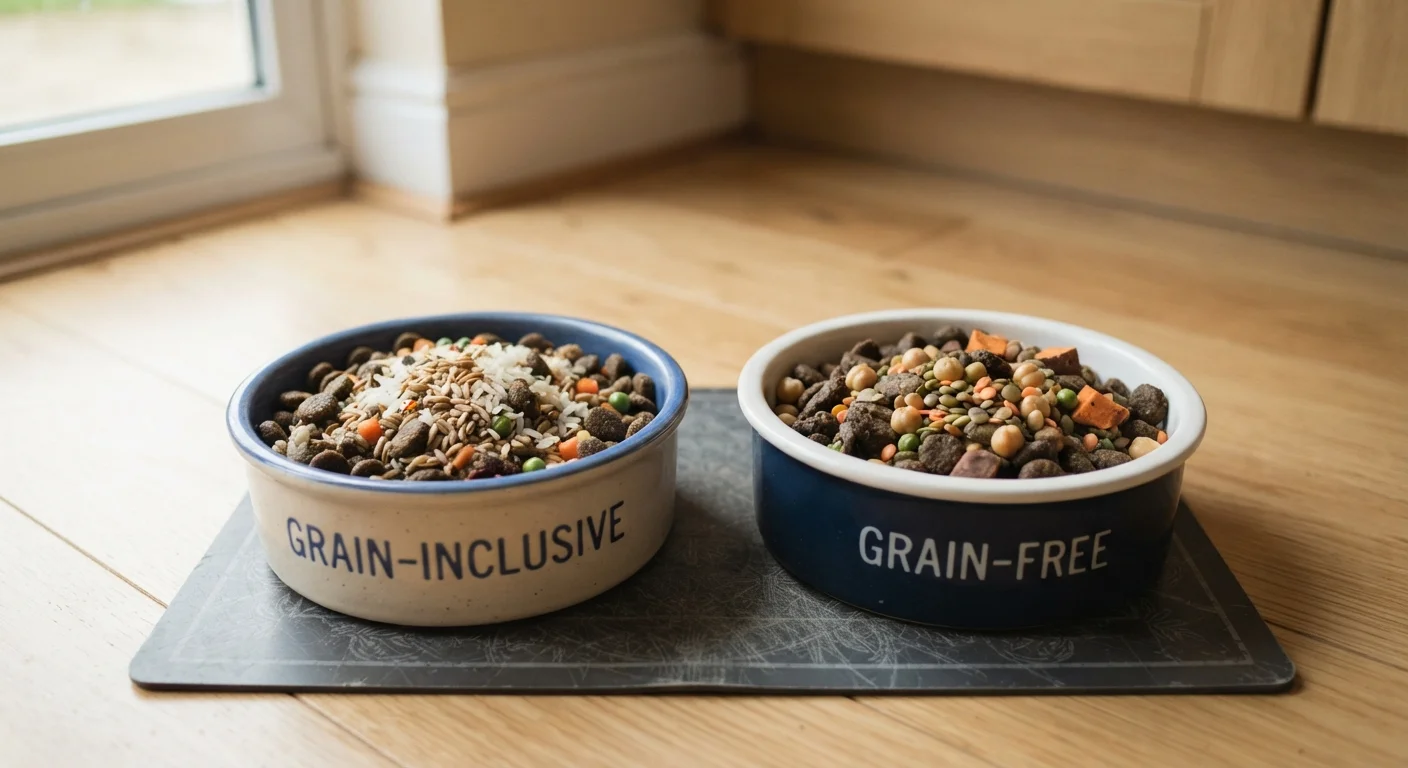
Commercial kibble, when AAFCO-compliant, provides a complete and balanced nutrient profile tested across feeding trials or by nutrient analysis. The high-heat extrusion process does reduce some heat-sensitive nutrients, but reputable manufacturers compensate through fortification. If you're navigating the broader grain debate, our article on grain-free vs. grain-inclusive dog food examines what current research actually shows.
| Raw Diet | Commercial Kibble | |
|---|---|---|
| Nutritional completeness | Variable; home-prep often lacks balance | Consistent when AAFCO-compliant |
| Pathogen safety risk | Higher - Salmonella, Listeria possible | Lower - pathogens reduced by heat processing |
| Convenience | Low - prep, storage, hygiene required | High - shelf-stable, easy to portion |
| Cost | Moderate to high | Low to moderate |
| Moisture content | High - supports hydration | Low - supplemental water important |
| Regulatory oversight | Limited for home-prepared meals | FDA and AAFCO standards apply |
| Suitability for vulnerable households | Not recommended without strict protocols | Generally considered safer |
Safety: The Risk Factors You Need to Know
Food safety is where the raw vs. kibble debate becomes most consequential. Raw meat - including commercially prepared raw dog food - can harbor Salmonella, Listeria monocytogenes, and E. coli. These pathogens pose a risk not only to the dog but also to household members who handle the food or come into contact with an infected dog's saliva or feces. The U.S. Food and Drug Administration (FDA) has documented pathogen contamination in raw pet food through routine sampling.
High-Risk Households Should Exercise Extra Caution
Homes with infants, young children, pregnant individuals, elderly adults, or immunocompromised people face elevated risk from raw pet food pathogens. The FDA and CDC advise that these households take particular care - or consider whether raw feeding is appropriate at all. Consult both your veterinarian and your family's healthcare provider when making this assessment.
Commercial kibble is not risk-free - recalls do occur due to contamination or nutrient formulation errors - but the high-temperature processing step eliminates most bacterial pathogens. Practicing good food hygiene with any diet, including washing hands after handling dog food and bowls, is a baseline recommendation regardless of format.
Practicality, Cost, and Everyday Considerations
Kibble wins on convenience: it stores at room temperature, requires no meal prep, and is straightforward to portion. It is generally more cost-effective than commercially prepared raw food, though premium kibble can narrow that gap considerably.
Raw feeding - especially home-prepared - demands meaningful time investment: sourcing ingredients, ensuring variety and balance, proper freezing and thawing protocols, and meticulous kitchen hygiene. Commercially prepared raw foods reduce some of this burden but add significant cost.
Transitioning Diets Gradually
Whether switching to raw or back to kibble, a gradual transition over 7-10 days helps prevent digestive upset. Start by replacing a small portion of the current food with the new diet and increase the ratio slowly. Monitor your dog's stool consistency, energy, and appetite throughout the change, and pause or slow down if you notice significant GI disturbance.
If you're weighing dietary decisions for other pets too, the same foundational principles of processing and safety apply - our comparison of wet food vs. dry food for cats walks through an analogous set of trade-offs for feline nutrition.
This article is for general informational purposes only and does not constitute veterinary or medical advice. Always consult a licensed veterinarian or board-certified veterinary nutritionist before making significant changes to your dog's diet.