How Wet and Dry Food Differ at a Fundamental Level
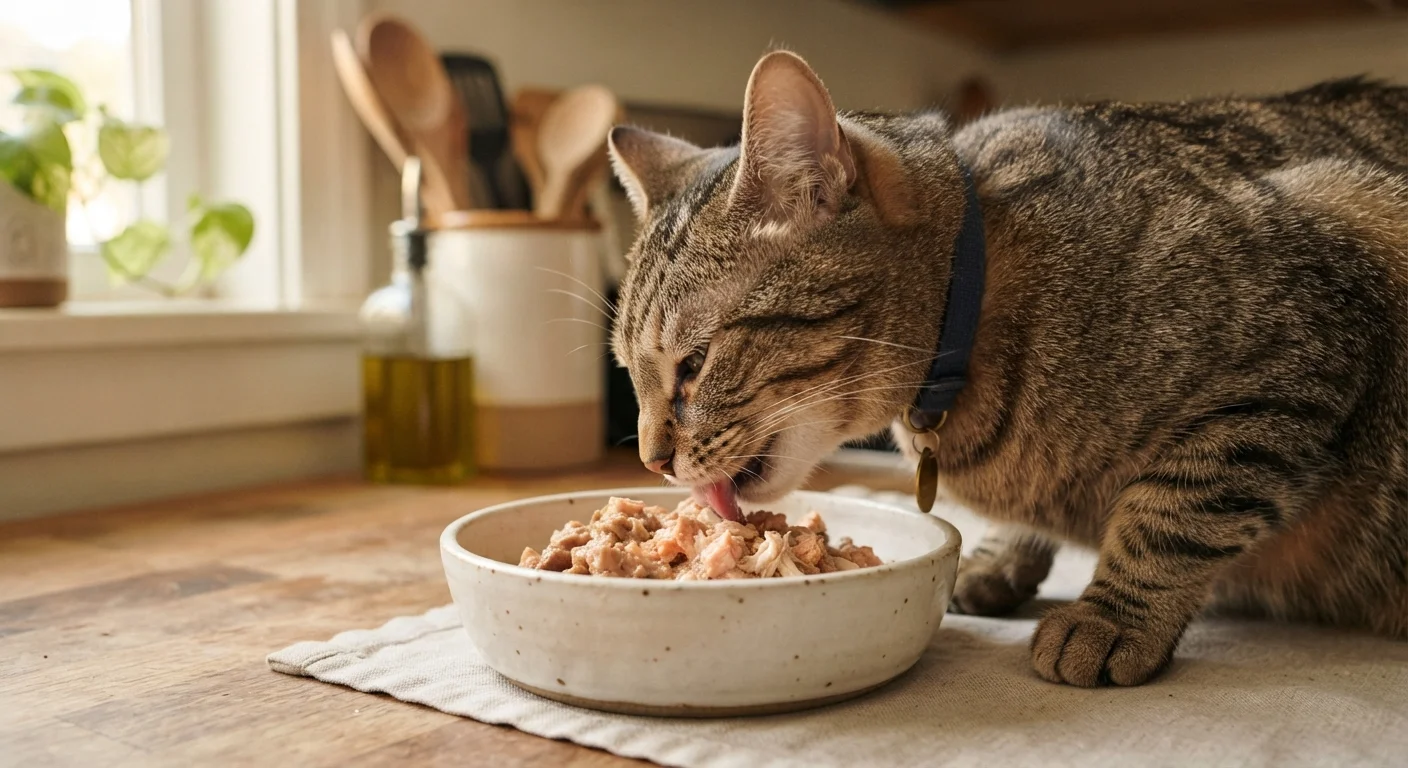
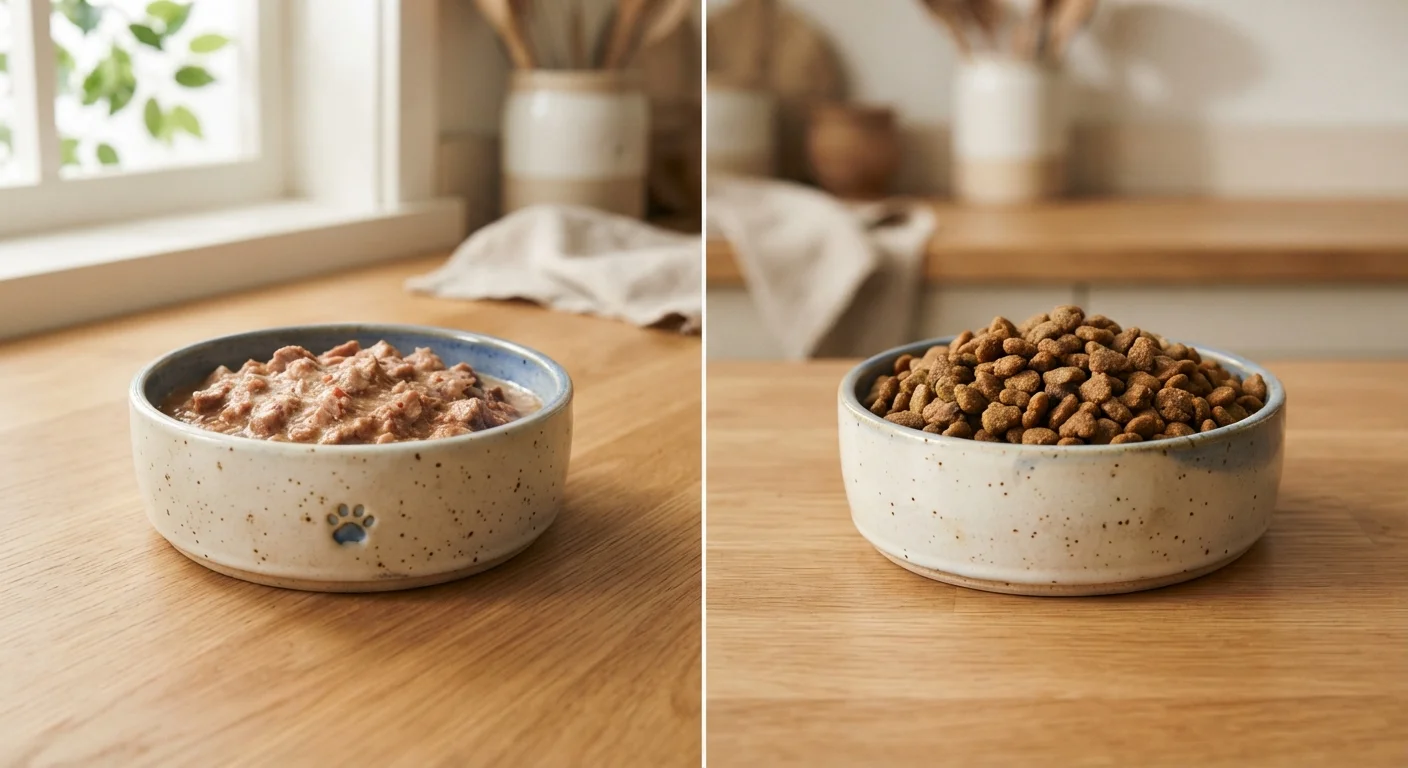
The most significant structural difference between wet and dry cat food is moisture content. Wet food - whether sold in cans or pouches - typically contains between 70% and 80% water. Dry kibble, by contrast, usually contains only around 10% moisture. For cats, this matters more than it might seem.
Cats evolved as desert animals and have a naturally low thirst drive. Their bodies are adapted to obtain much of their hydration from prey, which is itself moisture-rich. When cats eat dry food exclusively, they often consume less total water than their physiology requires, even when fresh water is available. This makes the food format itself a meaningful factor in overall hydration. To understand why this matters for long-term health, see what cats actually need to eat.
Beyond moisture, the two formats differ in caloric density, protein concentration, ingredient composition, and preservation methods. Dry food uses heat extrusion and low moisture to achieve shelf stability. Wet food relies on sealed packaging and high heat sterilisation to preserve contents without added preservatives.
| Criterion | Wet Cat Food | Dry Cat Food (Kibble) |
|---|---|---|
| Moisture content | 70-80% | ~10% |
| Calorie density | Lower per gram | Higher per gram |
| Shelf life (opened) | Hours at room temp | Weeks in sealed bag |
| Cost per serving | Generally higher | Generally lower |
| Urinary health support | Stronger evidence | Limited benefit |
| Dental cleaning benefit | No clear evidence | Minimal; specialised dental kibble differs |
| Palatability for picky cats | Generally higher | Variable |
| Convenience | Requires refrigeration | Easy storage and auto-feeding |
Hydration, Urinary Health, and Kidney Function
Chronic low-grade dehydration is linked to urinary tract issues and kidney disease in cats - two of the most commonly diagnosed feline health conditions. Veterinary consensus generally supports wet food as the better format for cats with existing kidney disease or a history of urinary crystals, because the added dietary moisture directly supplements fluid intake.
Cats consuming wet food exclusively can meet a substantial portion of their daily hydration needs through food alone. Cats on dry-only diets need to compensate through drinking, which many cats simply don't do consistently. Water fountains can help encourage drinking, but they don't fully close the gap for cats who are genuinely low drinkers.
70-80%
Moisture in typical wet cat food
Compared to roughly 10% in dry kibble, this difference has meaningful implications for a cat's daily fluid intake.
~10%
Moisture in dry kibble
Cats on dry-only diets must compensate through drinking, which many cats do inconsistently given their naturally low thirst drive.
Top 2
Kidney disease and urinary issues rank among most common feline diagnoses
Veterinary organisations consistently identify these as leading health concerns in domestic cats, making hydration a key dietary consideration.
This doesn't mean dry food causes kidney disease - the relationship is more complex than that. But for cats already at elevated risk, the moisture argument for wet food is well-supported. Always discuss dietary choices for cats with health conditions with your veterinarian before making changes.
Calories, Weight, and Portion Control
Dry food is calorie-dense relative to its volume. A small amount of kibble contains more calories than a similar volume of wet food, largely because wet food's moisture displaces caloric content. For cats prone to weight gain - a growing concern, particularly in indoor cats - this density can make overfeeding easy, especially in households that leave kibble out for free grazing.
Wet food, because of its higher moisture and lower calorie-per-gram ratio, can create a greater sense of fullness with fewer calories. This is one reason some veterinarians favour wet food as part of a weight management plan. That said, wet food portions still require monitoring - overfeeding wet food also leads to weight gain.
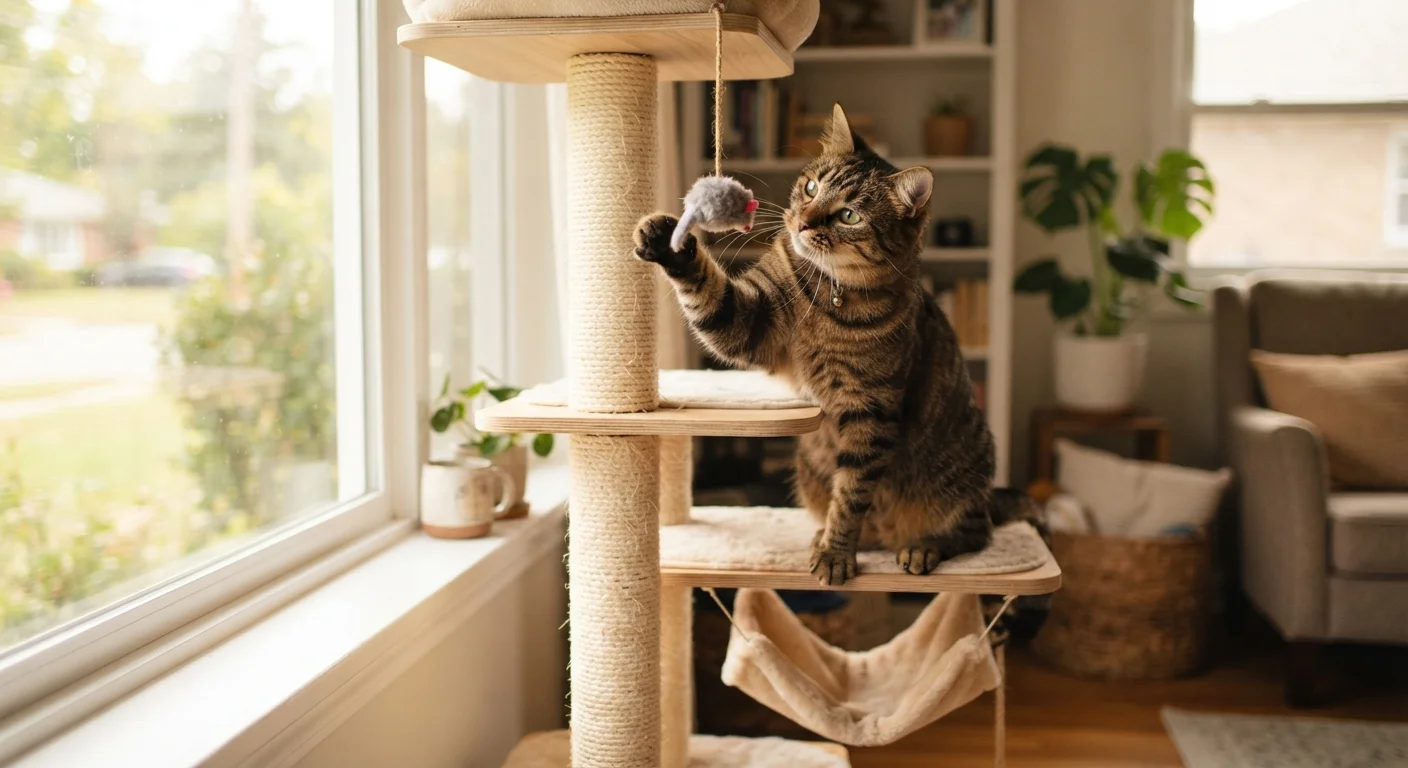
For indoor cats especially, caloric balance is closely tied to activity level. Enrichment strategies that encourage movement can work alongside feeding choices to support a healthy weight.
Dental Health: What the Evidence Actually Shows
A widely held belief is that dry kibble helps clean cats' teeth by providing abrasive texture. This claim is more nuanced than it appears. Most cats don't chew kibble in a way that produces meaningful mechanical cleaning - they tend to crunch or swallow pieces whole. Veterinary dental organisations generally note that no standard dry food provides reliable dental benefit.
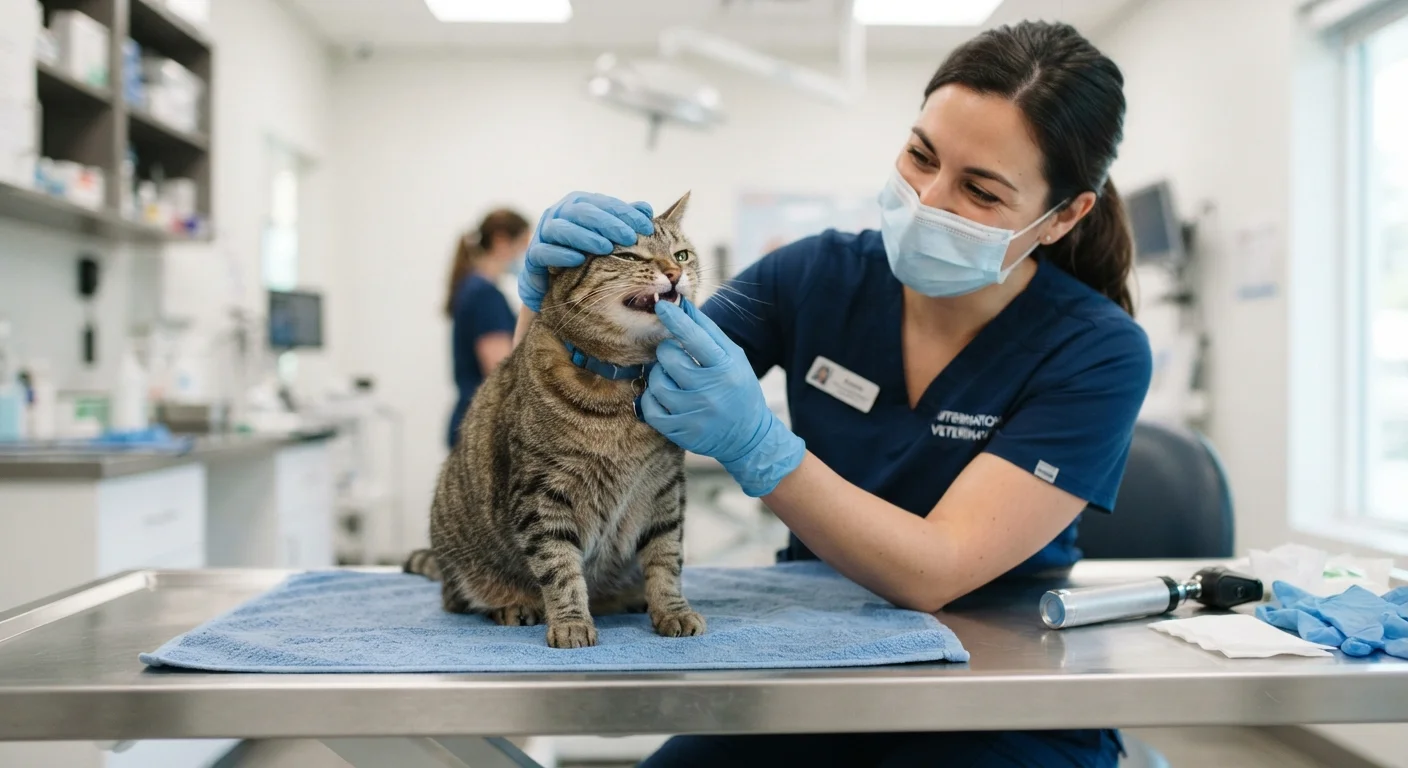
Specialised dental diets do exist and are formulated with larger kibble pieces or specific textures designed to reduce plaque. These are distinct from regular dry food and are typically recommended by veterinarians for specific dental concerns. Routine dental care, including tooth brushing and professional cleanings, remains the most effective approach regardless of food format.
Wet food has sometimes been blamed for worsening dental health, but evidence for this is also limited. The relationship between food format and feline dental disease is not as straightforward as popular belief suggests. Many common beliefs about cat health turn out to be more complicated on closer examination.
Cost, Convenience, and Practical Feeding Logistics
Dry food is generally less expensive per calorie than wet food and significantly more practical for busy households. A bag of kibble can be stored for weeks, measured easily, and left in an automatic feeder. Wet food requires refrigeration after opening, typically spoils within a few hours at room temperature, and costs more per feeding.
For multi-cat households or owners managing tight budgets, these logistics matter. A mixed feeding approach - wet food at scheduled mealtimes and a small measured portion of dry food available between meals - can offer a practical middle ground, capturing hydration benefits while reducing cost and food waste.
Whatever format you choose, reading labels carefully and selecting foods that meet established nutritional standards is important. Your veterinarian can help you evaluate whether a particular food meets your cat's life-stage needs and health profile.
This article provides general educational information about cat nutrition and is not a substitute for personalised veterinary advice. Consult your veterinarian before making significant changes to your cat's diet, especially if your cat has existing health conditions.