Why Rabbit Feeding Myths Are So Dangerous
Rabbits are among the most misunderstood companion animals in the US. Popular culture - from cartoons to pet store packaging - has shaped widely held beliefs about what rabbits eat, and many of those beliefs are flat-out wrong. Acting on them can lead to obesity, gastrointestinal stasis (a potentially life-threatening slowdown of the digestive tract), dental disease, and shortened lifespan.
Understanding a rabbit's true dietary needs starts with recognizing what kind of animal they are: an obligate herbivore with a highly specialized digestive system that requires constant fiber intake to function properly. For a plain-language breakdown of nutrition terms you'll encounter in rabbit care, see our small animal nutrition glossary.
Myth
Carrots are a rabbit's favorite food and a healthy staple of their diet.
Fact
Carrots are high in sugar and should be offered only as an occasional small treat, not a dietary staple.
The carrot-and-rabbit association is largely a cultural artifact, not a nutritional reality. Carrots contain significantly more natural sugar than the leafy plants rabbits eat in the wild. Fed regularly, they contribute to weight gain, dental problems, and gut imbalances. A thin slice once or twice a week is a reasonable upper limit for most healthy adult rabbits - but hay and leafy greens should anchor every meal.
Myth
Rabbits can eat unlimited pellets - more pellets means better nutrition.
Fact
Pellets should be limited to a small daily portion; overfeeding them is a leading cause of obesity and digestive disease in pet rabbits.
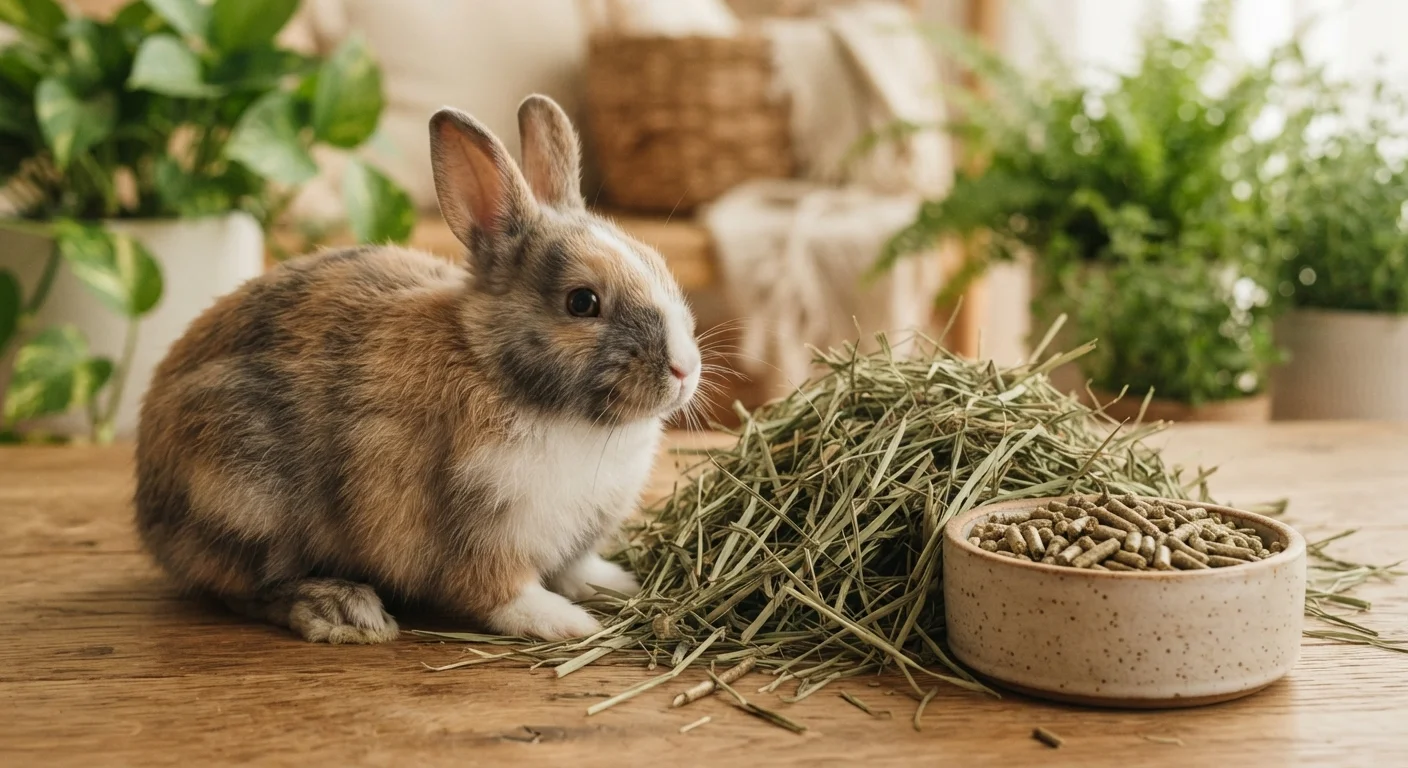
Commercial pellets were originally developed for the meat-rabbit industry to promote rapid weight gain - not for the long-term health of companion animals. For adult rabbits, most exotic animal veterinarians recommend no more than about one-quarter cup of plain, high-fiber pellets per five pounds of body weight per day. Pellets should never replace hay, which provides the sustained fiber intake a rabbit's gut needs to keep moving.
[stat_highlights]Myth
Any lettuce is safe and nutritious for rabbits.
Fact
Iceberg lettuce contains lactucarium and has very little nutritional value; it can cause digestive upset and should be avoided.
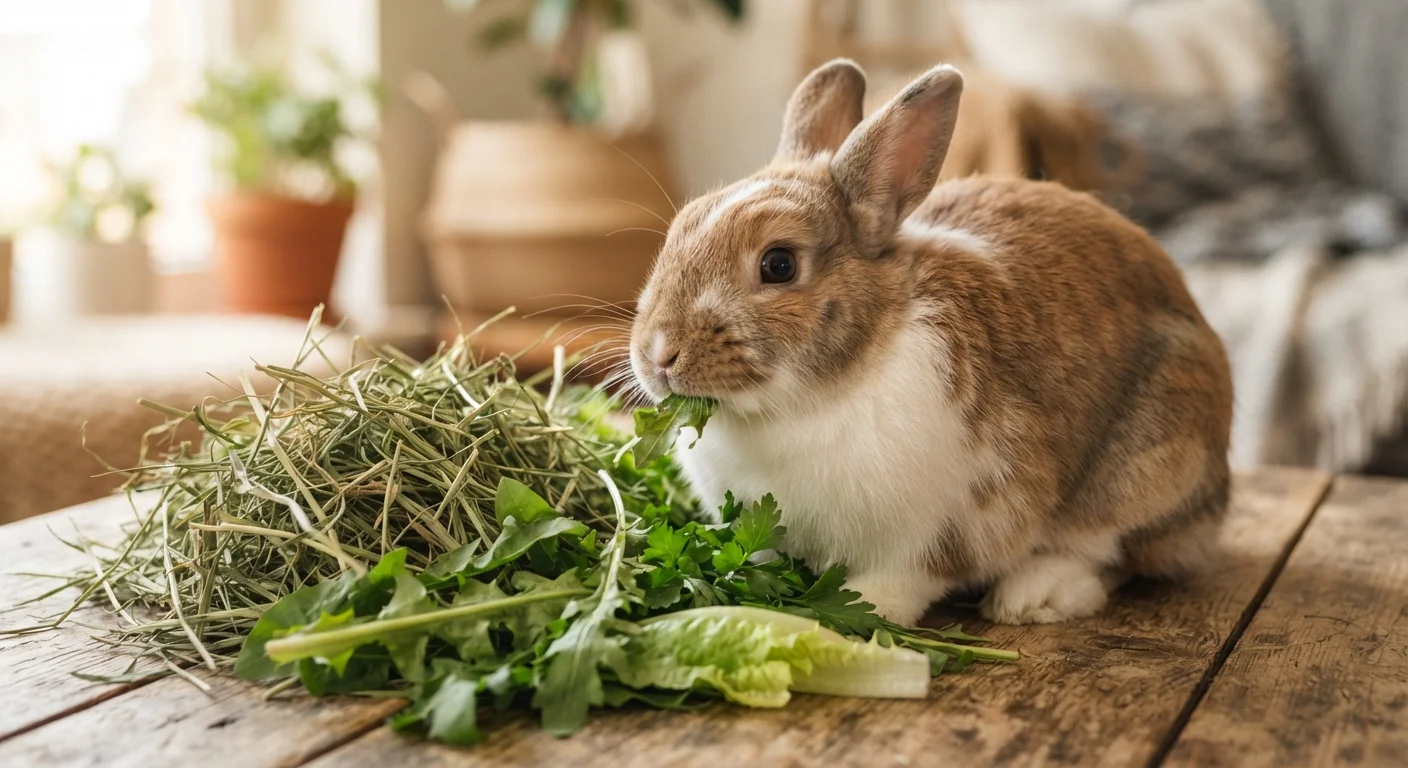
Not all leafy greens are equal for rabbits. Iceberg lettuce is mostly water, offers minimal nutrients, and the compound lactucarium found in it can have a mild sedative or laxative effect. Romaine, green leaf lettuce, arugula, cilantro, and parsley are far better choices. Always introduce new greens gradually - one at a time - to monitor for soft stools or digestive changes.
Myth
If a rabbit is eating its own droppings, something is wrong.
Fact
Cecotrope consumption is a normal, essential rabbit behavior - these soft pellets are a critical part of how rabbits absorb nutrients.
Rabbits produce two types of droppings: hard, round fecal pellets, and soft, grape-like cecotropes. Cecotropes are produced in a part of the gut called the cecum and are re-ingested directly from the anus, usually at night or in the early morning. They are packed with proteins, B vitamins, and beneficial bacteria that a rabbit cannot obtain any other way. Preventing this behavior - by using certain harnesses or keeping the enclosure too small - can cause serious nutritional deficiencies.
Myth
Rabbits don't need hay if they're getting plenty of pellets and vegetables.
Fact
Hay is nutritionally and mechanically irreplaceable in a rabbit's diet; no other food can substitute for it.
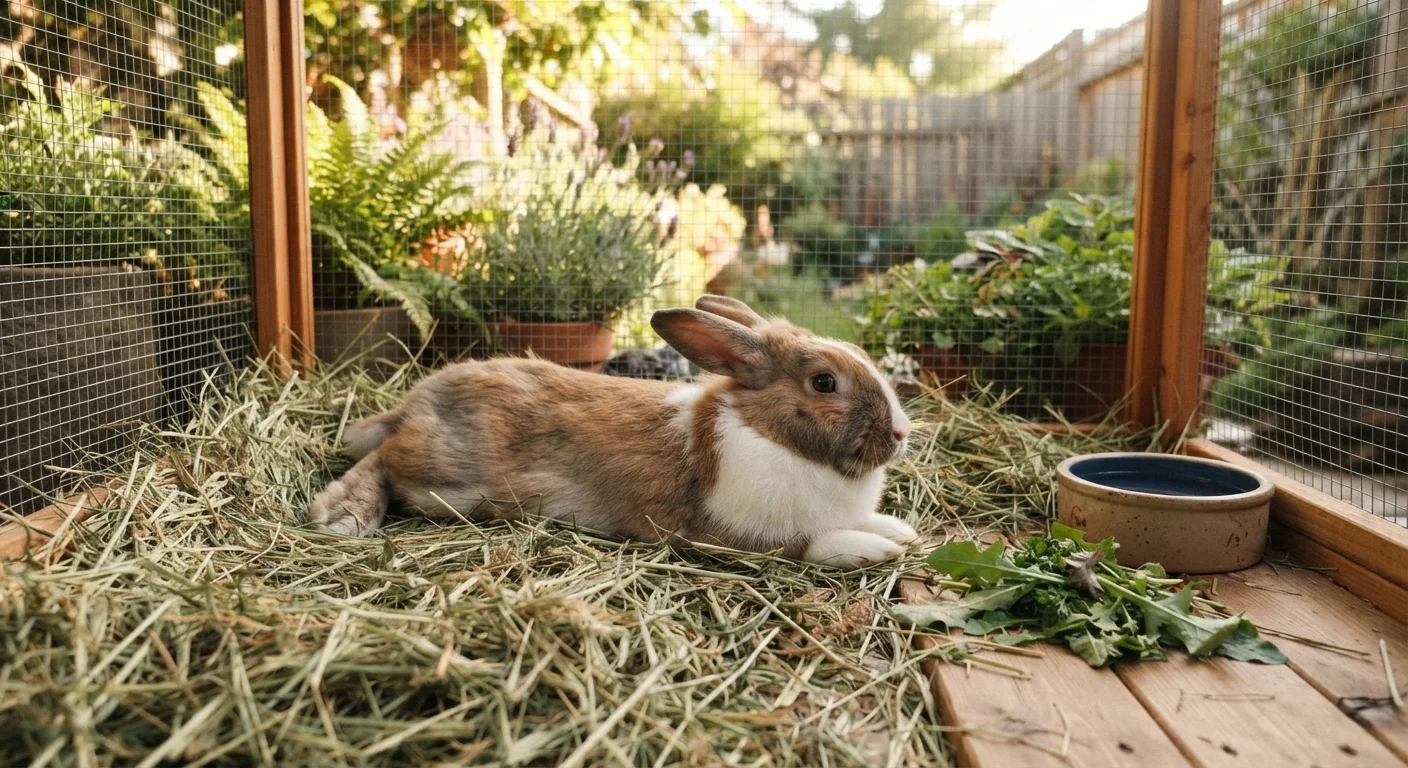
Grass hay serves two indispensable functions. First, its high indigestible fiber content keeps the gastrointestinal tract moving continuously - without it, rabbits can develop GI stasis, a condition that can become fatal within 24-48 hours. Second, the long fibers require extensive chewing, which naturally wears down a rabbit's continuously growing teeth. Dental disease, one of the most common and costly health problems in pet rabbits, is closely linked to insufficient hay consumption. Hay should constitute roughly 80-90% of a rabbit's total diet by volume.
Building a Diet Your Rabbit Can Thrive On
Once the myths are cleared away, a rabbit's healthy diet is straightforward. The foundation is unlimited grass hay - timothy, orchard grass, or meadow hay - available around the clock. Fresh leafy greens such as romaine, cilantro, and arugula can be offered daily in modest portions. Plain, high-fiber pellets play a supporting role, not a starring one, and sugary foods like fruit should be genuine rarities.
Foods to Keep Away From Rabbits Entirely
Several foods commonly found in households are toxic or seriously harmful to rabbits. These include onions, garlic, leeks, avocado, rhubarb leaves, apple seeds, and all fruit pits. Chocolate, caffeine, alcohol, and any processed human food are also dangerous. Houseplants such as lilies, pothos, and philodendron can cause poisoning. If you suspect your rabbit has ingested a toxic substance, contact a veterinarian promptly - do not wait for symptoms to worsen.
Fresh water must always be available, ideally in a heavy ceramic bowl or a sipper bottle - whichever your rabbit reliably uses. If you're newer to small-pet ownership and want a broader foundation, our starter's overview for small pet owners covers the essentials across species. For a deeper look at everything rabbits need to stay well, see what rabbits actually need to stay healthy.
This article provides general educational information about rabbit nutrition and is not a substitute for guidance from a qualified exotic animal or small mammal veterinarian. If you have concerns about your rabbit's diet or health, consult a veterinary professional.