Why These Terms Matter for Small Pet Owners
When you're reading a care guide, scanning a bag of pellets, or discussing your pet's diet with a veterinarian, unfamiliar terms can make routine feeding decisions feel harder than they need to be. Building a working vocabulary helps you evaluate food products accurately, spot incomplete formulations, and have more productive conversations at the vet's office.
This reference covers the terms most commonly encountered when caring for rabbits, guinea pigs, hamsters, gerbils, chinchillas, and similar companion animals. Use the definitions as a starting point - and always confirm species-specific recommendations with a qualified veterinarian before making significant changes to your pet's diet.
Hay, Fiber, and the Herbivore Gut
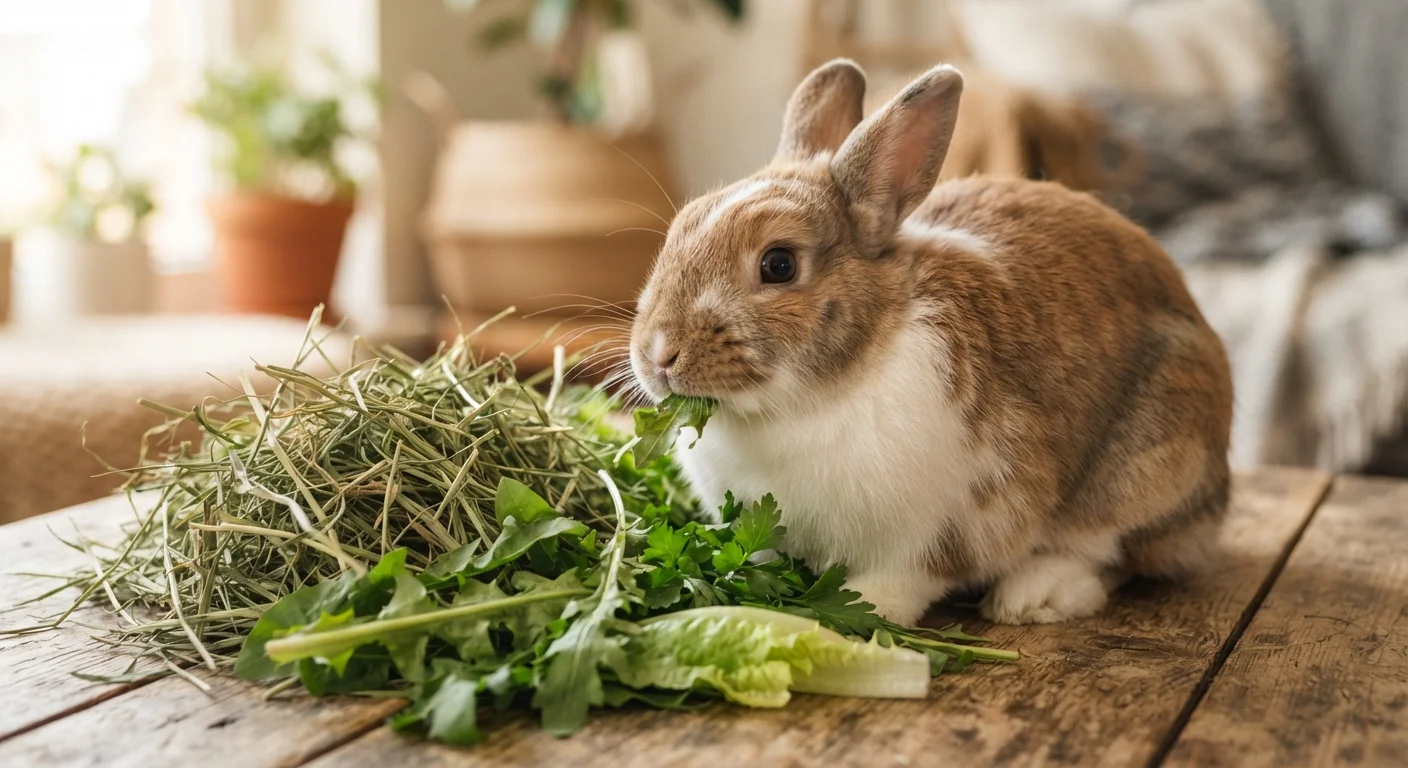
For rabbits and guinea pigs - both strict herbivores and hindgut fermenters - hay is not a supplement but the dietary cornerstone, typically making up the large majority of daily intake. The type of hay matters significantly. Grass hays such as timothy and orchard grass carry moderate protein and calcium levels appropriate for healthy adults. Alfalfa, a legume hay, contains substantially higher calcium and protein and is generally recommended only for young, growing, or pregnant animals; long-term use in healthy adults can contribute to calcium imbalances.
The label term crude fiber describes the indigestible portion of plant material - primarily cellulose and lignin - expressed as a percentage. In hindgut fermenters, this fiber drives gut motility, the rhythmic muscular movement that keeps digestion functioning. Consistently low fiber intake is associated with digestive slowdowns in these species, which is why exotic animal veterinarians consistently emphasize unlimited grass hay access. Common rabbit diet myths often underestimate just how central hay is to overall health - and how quickly problems can develop when it's reduced.
Hay
Dried grass or legume plant material that serves as the dietary foundation for herbivorous small animals such as rabbits and guinea pigs. Grass hay varieties - timothy, orchard grass, meadow hay - are generally recommended for healthy adults.
Crude Fiber
A standardized measure of indigestible plant material, primarily cellulose and lignin, expressed as a percentage on pet food labels. Adequate crude fiber supports gut motility in hindgut-fermenting animals.
Hindgut Fermentation
A digestive process in which bacteria in the cecum break down plant fiber to extract energy and nutrients. Rabbits, guinea pigs, and chinchillas are hindgut fermenters that depend on consistently high-fiber diets to maintain normal digestion.
Cecotropes
Soft, nutrient-dense pellets produced in the cecum and re-ingested directly by rabbits and related species. This is normal, essential behavior - not a hygiene concern - providing B vitamins and proteins the animal cannot obtain otherwise.
Pellets
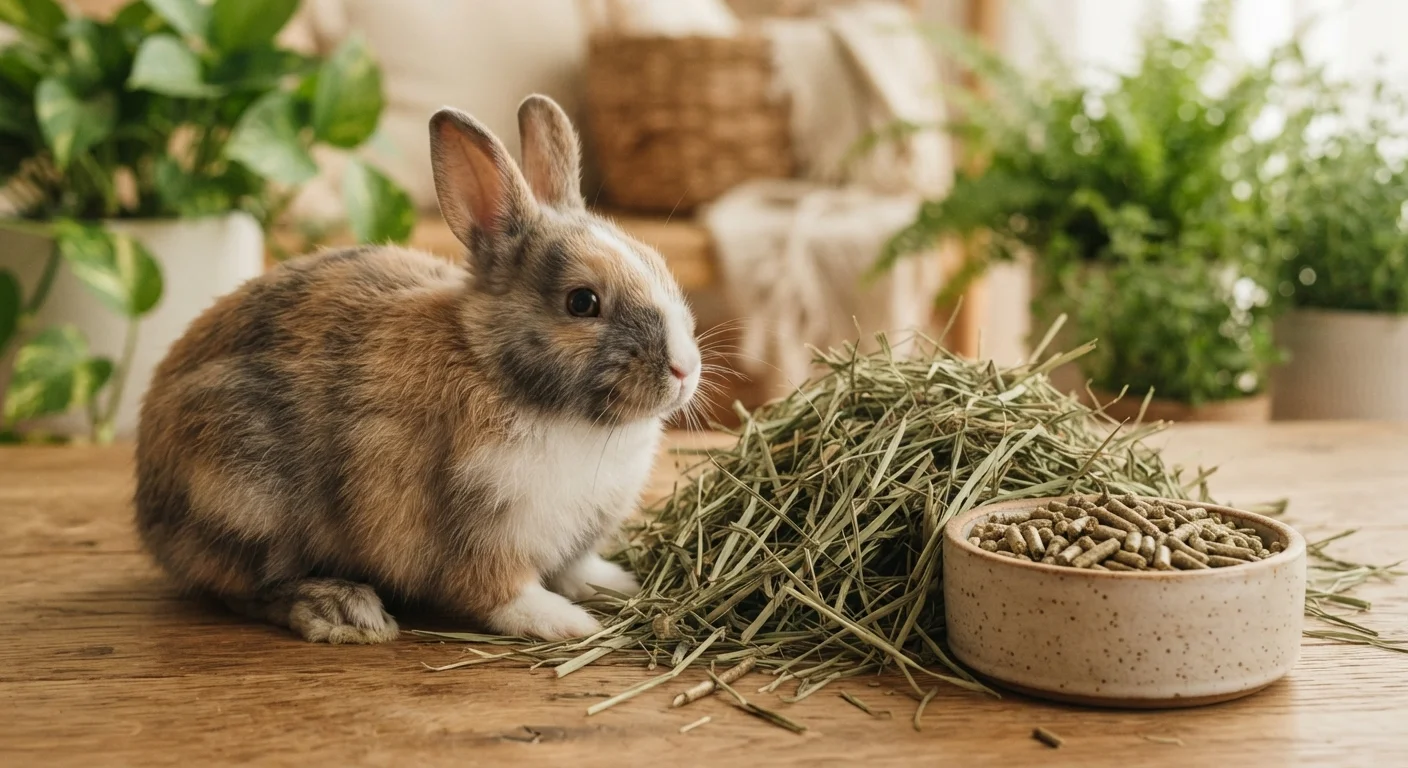
Compressed, uniformly formulated feed designed to deliver a standardized nutritional profile. For herbivores, plain pellets without added seeds, dried fruit, or colorings are generally preferred by exotic animal veterinarians over muesli-style mixes.
Fortified Food
A food product with vitamins or minerals added to replace or supplement nutrients that may be reduced or absent in the base ingredients. Fortified pellets are a common but storage-sensitive source of vitamin C for guinea pigs.
Alfalfa Hay
A legume hay with significantly higher calcium and protein content than grass hays. Generally appropriate for young, growing, or pregnant animals; long-term use as a staple for healthy adults can contribute to calcium imbalances.
Selective Feeding
The behavior of an animal consistently choosing only preferred items from a mixed food product, such as a muesli-style seed mix. Even a mix formulated to be nutritionally complete can produce dietary imbalances when the animal eats selectively.
Vitamin C (Ascorbic Acid)
An essential nutrient that guinea pigs cannot synthesize internally and must consume daily through diet. Deficiency can lead to scurvy, a serious condition requiring prompt veterinary attention.
Complete Diet
A food product formulated to meet all of an animal's established nutritional requirements on its own, in contrast to complementary or treat products that are intended to supplement an already-balanced diet.
Pellets, Seeds, and Fortified Foods
Pellets are compressed feeds formulated to deliver a nutritional baseline. For herbivores, plain and uniform pellets are generally favored by veterinarians over muesli-style mixes that include seeds, dried fruit, or colorful pieces. The risk with mixes is selective feeding: when animals consistently choose preferred components and leave others behind, the actual diet becomes nutritionally unbalanced even if the overall mix was formulated to be complete on paper.
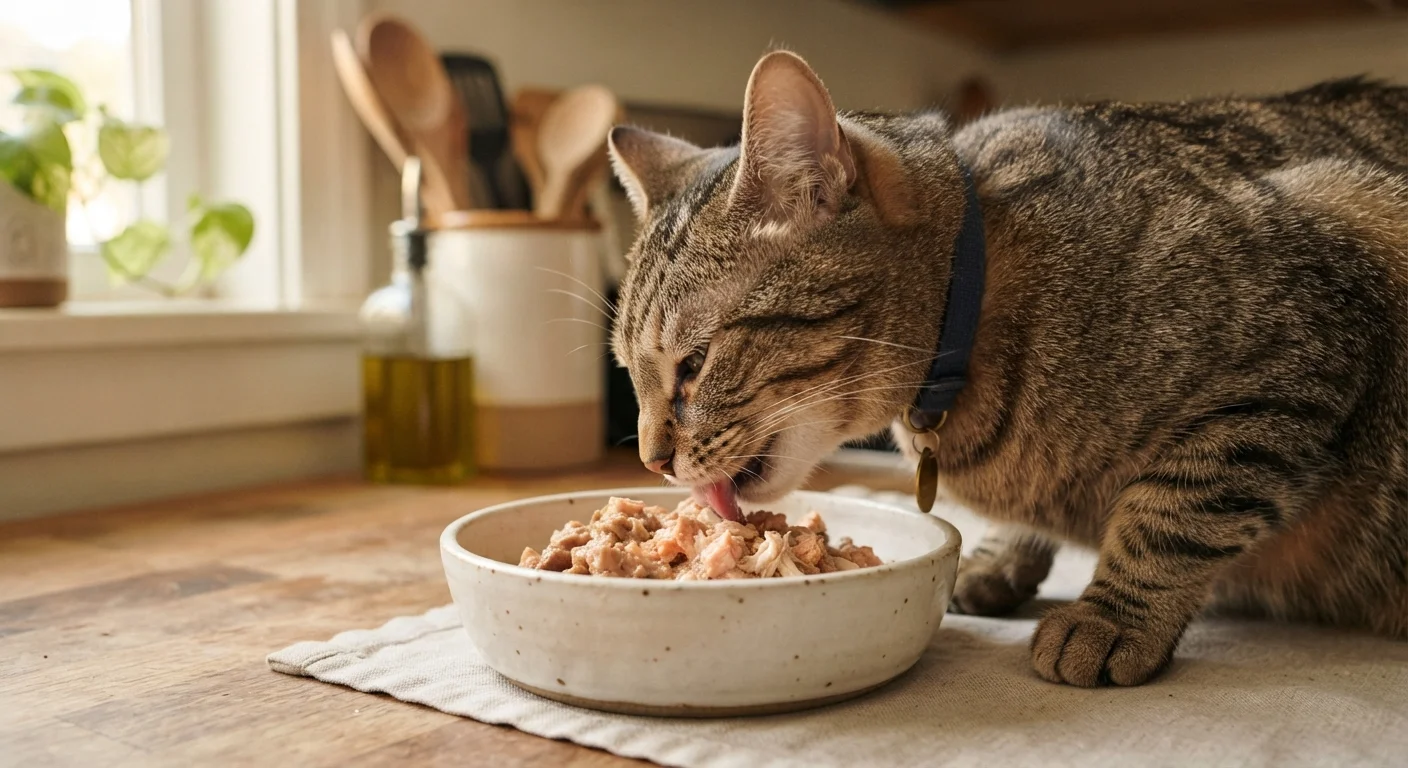
The term fortified on a label signals that vitamins or minerals have been added - usually to replace nutrients reduced or absent in the base ingredients. This is especially relevant for guinea pigs, which cannot synthesize vitamin C (ascorbic acid) internally and must obtain it daily through diet. Hamsters and gerbils are omnivores with different protein requirements compared with strict herbivores, which is why species-specific pellet formulas exist and make a practical difference. For a contrasting look at another species with highly specialized dietary needs, see what cats actually need to eat.
Vitamin C in Pellets Degrades After Opening
Vitamin C added to fortified guinea pig pellets begins to break down once the bag is opened, and degradation accelerates with heat, light, or moisture exposure. Fresh vegetables - such as red bell pepper or dark leafy greens - can provide a more reliable daily source. A veterinarian experienced with small animals can advise on appropriate vegetables and realistic serving sizes for your individual pet.
Reading Labels and Making Confident Choices
The guaranteed analysis panel on any packaged small animal food lists minimum crude protein, minimum crude fat, maximum crude fiber, and maximum moisture as percentages. These figures represent regulatory thresholds, not precise nutritional values. For herbivores, higher crude fiber percentages and moderate fat values are generally favorable; an unusually low fiber figure in a product marketed as a staple for rabbits or guinea pigs is worth raising with your veterinarian.
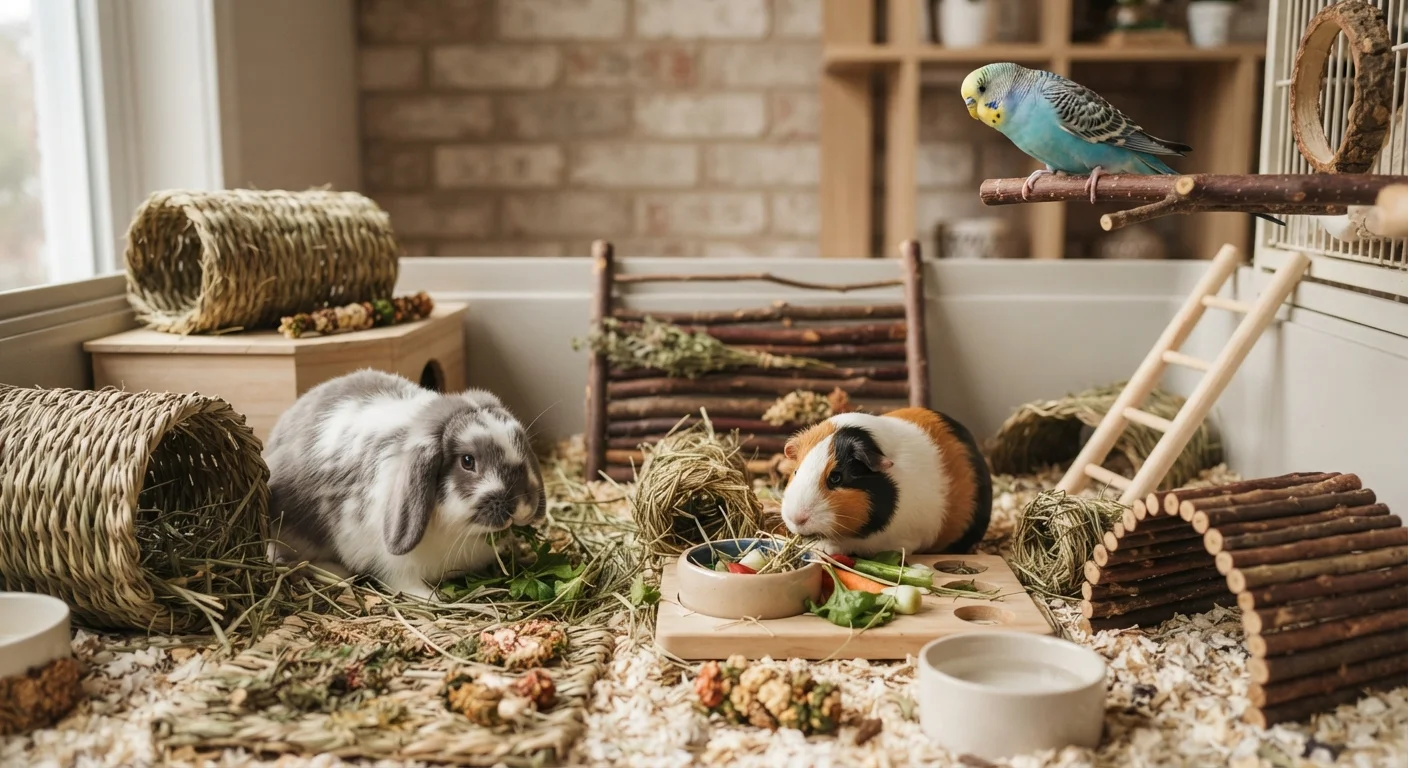
Always check whether a product is classified as a complete diet - formulated to meet all of an animal's established nutritional requirements on its own - or as a complementary or treat product intended to supplement other foods. Confirming this distinction matters more than any marketing language on the front of the package. For enrichment practices that work alongside sound nutrition, explore enrichment ideas for small animals.
This article is intended for general educational purposes only and is not a substitute for professional veterinary advice. Consult a veterinarian experienced with small or exotic animals for guidance specific to your pet's individual health and dietary needs.