What Kind of Commitment Does a Parrot Actually Require?
Parrots are not low-maintenance cage birds. They are highly social flock animals that, in the wild, spend their days foraging, flying, and communicating constantly. In a home setting, they depend on their human family to meet those same cognitive and social needs. Before weighing the pros and cons, it helps to understand the baseline commitment involved.
Species vary widely - a budgerigar and a hyacinth macaw represent very different levels of demand. But even smaller parrots such as cockatiels and conures need a minimum of two to four hours of meaningful interaction each day. Larger species like African greys and Amazon parrots can require significantly more. For a broader starting point on small bird ownership, see our starter's overview of small pet ownership.
Parrots Are Not Beginner Pets
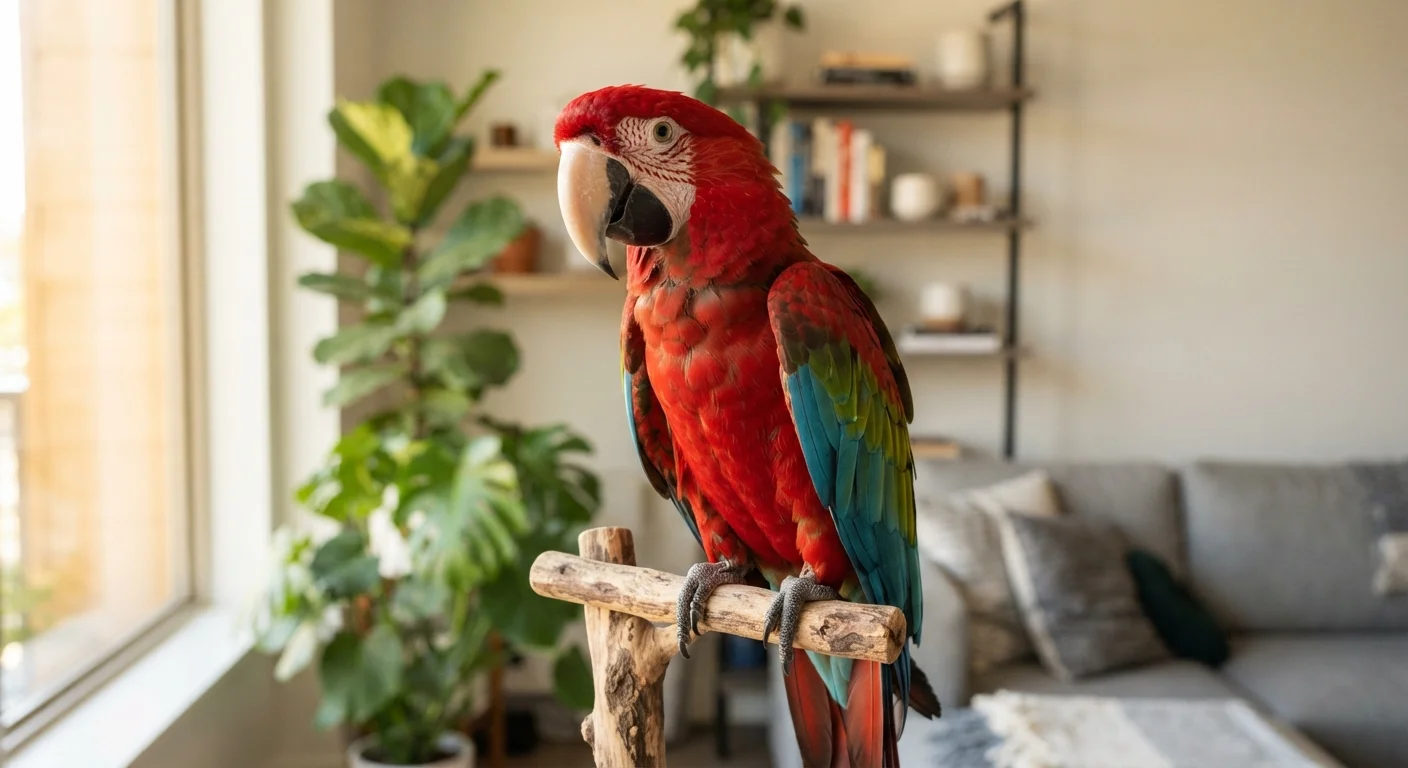
Avian veterinarians and rescue organizations consistently advise that large parrots - including macaws, cockatoos, and African greys - are not suitable for first-time bird owners. Their complex behavioral and social needs require an owner who has ideally gained experience with smaller bird species first. If you're new to birds, a budgerigar or cockatiel is widely considered a more appropriate starting point.
The Case For Keeping a Parrot
Parrots offer a level of engagement that few other companion animals can match. Their cognitive abilities are well-documented - African grey parrots, for example, have demonstrated problem-solving skills and vocabulary use comparable to young children in controlled research settings.
Exceptional intelligence and problem-solving ability
Many parrot species can learn to solve puzzles, use tools, and understand concepts such as color, shape, and number. This makes daily interaction genuinely stimulating for both bird and owner.
Can develop extensive spoken vocabulary
Species like African greys and Amazon parrots are capable of learning hundreds of words and using them contextually, creating a form of two-way communication unlike any other pet.
Deep, long-lasting bonds with their owners
Parrots are flock animals that imprint strongly on their human companions. Well-socialized birds often show clear affection, seek out contact, and demonstrate distress when separated from bonded owners.
Highly engaging and entertaining daily companions
Their curiosity, playfulness, and expressive behavior mean parrots provide constant interaction. Owners who spend time at home frequently describe their birds as a central part of household life.
Long lifespan means decades of companionship
While this is also a responsibility, a well-cared-for parrot can be a companion for 20 to 80 years depending on the species - a depth of relationship unavailable with shorter-lived pets.
Beyond intelligence, parrots can become genuinely affectionate companions. Many species enjoy physical closeness, learn the household routine, and clearly distinguish between family members. For owners who work from home or have flexible schedules, a parrot can provide a uniquely interactive presence that dogs and cats simply don't replicate.
The Case Against Keeping a Parrot
For every compelling advantage, there is a practical challenge that prospective owners frequently underestimate. Parrot surrenders and rehoming are common - many rescue organizations report waiting lists of unwanted birds, which reflects a widespread gap between expectation and reality.
Extreme longevity requires multi-decade planning
Large species such as macaws and cockatoos can live 60-80 years, meaning owners often need to make legal arrangements for their bird's care in the event of the owner's death or incapacity.
High daily social and mental stimulation demands
A parrot left under-stimulated will develop behavioral problems including feather-destructive behavior, excessive screaming, and aggression. These are welfare issues, not personality quirks.
Loud vocalizations unsuitable for many living situations
Even species considered 'quieter' can reach volumes that disturb housemates or neighbors. Prospective owners in apartments or shared housing should carefully research species-specific noise levels.
Specialist avian veterinary care is costly
Parrots require veterinarians with specific avian training, which is not universally available and typically costs more than general small-animal care. Annual wellness exams are strongly recommended.
Sensitive respiratory systems create household hazards
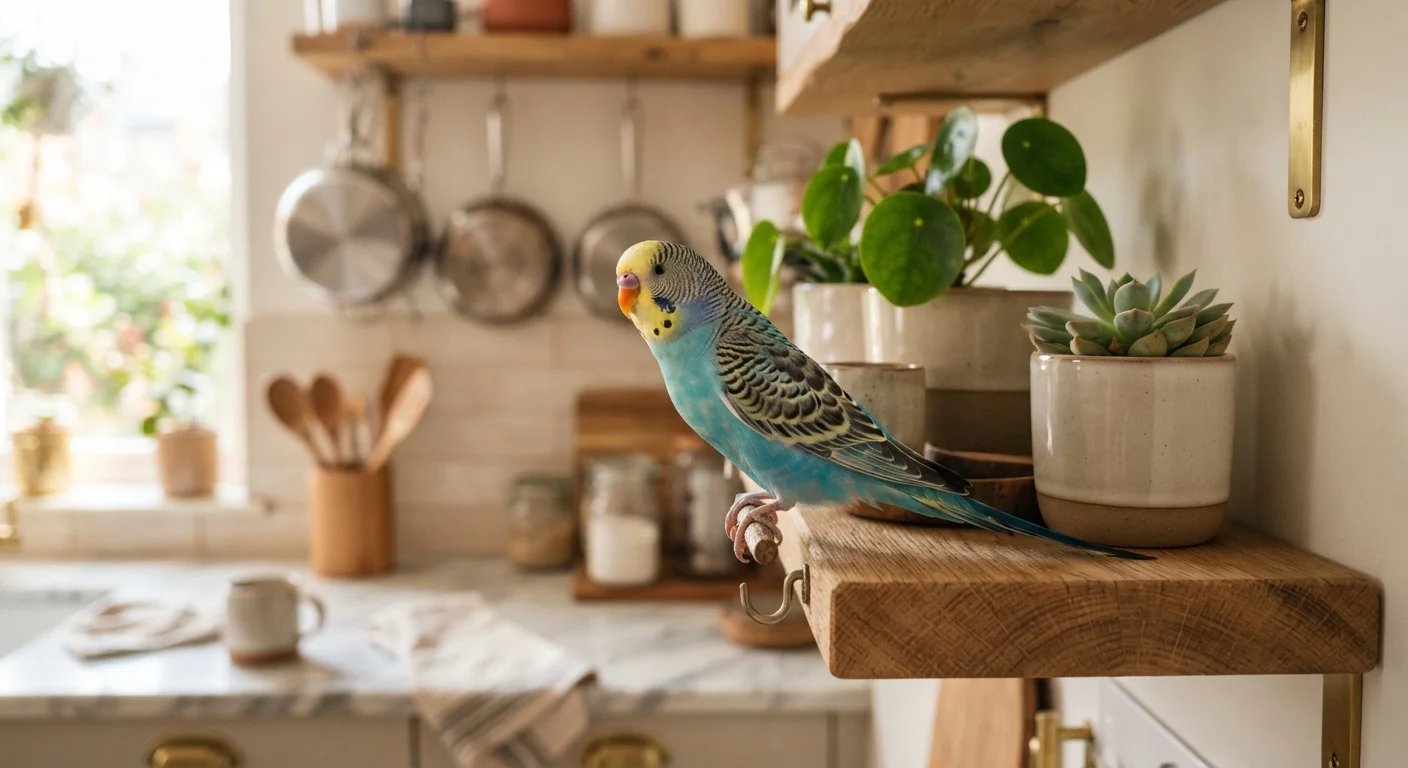
Polytetrafluoroethylene (PTFE) fumes from overheated non-stick cookware, aerosols, and certain houseplants can be rapidly fatal to parrots, requiring significant changes to the average household.
Biting and behavioral issues require experienced handling
Parrots use their beaks as a primary tool for interaction, and an untrained or stressed bird can bite hard enough to cause injury. Managing behavior requires patience and consistent, informed handling.
Noise is among the most underestimated challenges. Even small species like sun conures produce calls loud enough to disturb neighbors in apartments or shared housing. Larger parrots can vocalize at volumes that are genuinely startling. Additionally, parrots are highly sensitive to airborne toxins - non-stick cookware, scented candles, and aerosol sprays can be fatal. Our article on indoor bird safety hazards covers this in detail.
60-80 yrs
Potential lifespan of large macaw species
Large parrot species such as macaws and cockatoos routinely outlive their original owners, according to avian veterinary literature.
2-4 hrs
Minimum daily interaction time recommended
Avian behavior specialists generally recommend a minimum of two to four hours of direct social interaction per day for companion parrots to maintain psychological well-being.
Is There a More Suitable Bird for Your Situation?
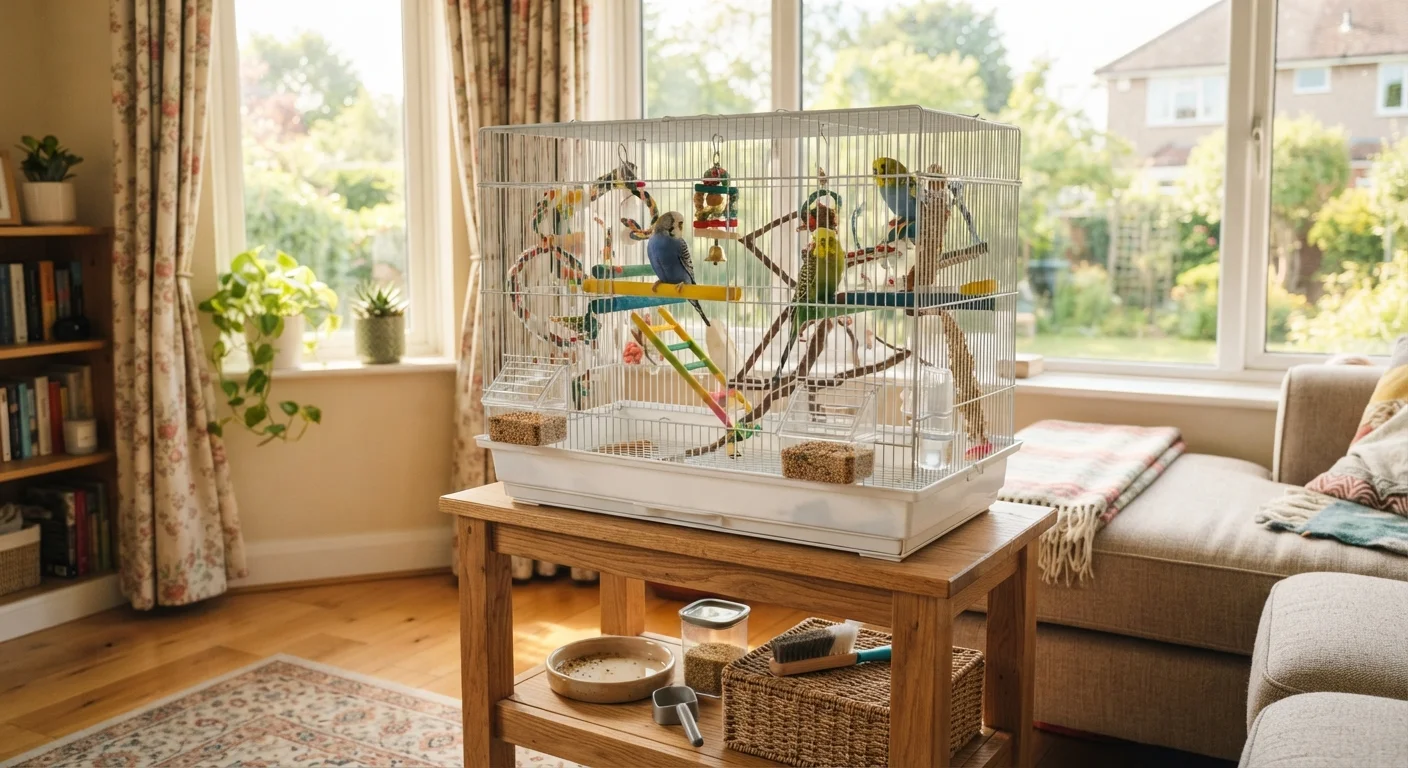
If the demands of a large parrot feel daunting, smaller species in the broader parrot family deserve serious consideration. Budgerigars and cockatiels are sociable, intelligent birds that require considerably less space, produce lower noise levels, and generally adapt more readily to household life. They still need daily interaction and appropriate housing - see our guide to setting up a budgerigar cage for practical setup advice.
The key question is honest self-assessment: Does your schedule, living situation, and budget realistically support a bird that may live longer than a decade - and in many cases, much longer? If the answer is uncertain, starting with a less demanding species is a sound and responsible choice. Parrots in rescues consistently cite owners who weren't prepared for the time commitment as a primary reason for surrender.
This article is for general informational purposes only and does not constitute veterinary advice. Consult a qualified avian veterinarian for guidance specific to your bird's health and care needs.