What Shoulder Season Actually Means
Every destination has a rhythm. There's the frantic summer rush at coastal resorts, the sold-out chaos of a ski town in February, or the relentless heat of a desert city in July. Then there's the quieter stretch on either side of all that - the shoulder season.
Shoulder season is the transitional window between a destination's peak tourist period and its true off-season. It's not a fixed set of dates on a calendar; it shifts based on geography, climate, school schedules, and local holidays. A week in Lisbon in early October lands you squarely in shoulder season. So does visiting New Orleans right after Mardi Gras, or arriving in Yellowstone before the summer crowds crest in late June.
The appeal is straightforward: you're traveling when the destination is still fully operational and largely at its best, but before - or just after - the tourist wave peaks. As part of a well-structured trip plan, understanding seasonal timing is one of the highest-leverage decisions you can make.
30%+
Potential accommodation savings vs. peak season
Travel industry analyses frequently cite accommodation cost reductions of 20-40% during shoulder periods for popular European destinations, though exact figures vary widely by location and year.
2-4 weeks
Typical shoulder window on either side of peak
Most destination analysts define shoulder season as the two to four weeks immediately before and after peak, though the precise window depends heavily on climate and local demand patterns.
Fewer crowds
Visitor volume at major attractions
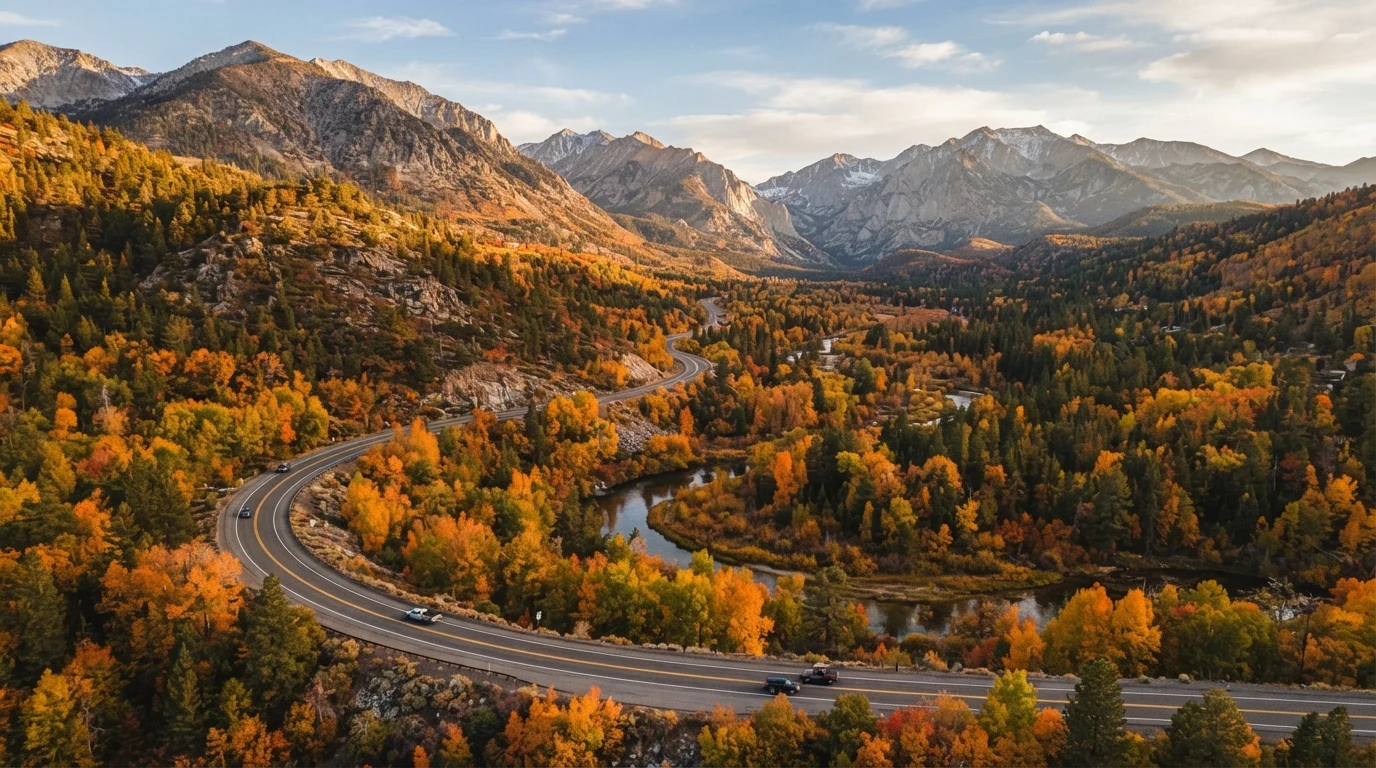
National park visitation data consistently shows that attendance in May and September runs significantly lower than in July and August, with some parks reporting 30-50% fewer daily visitors.
The Real Benefits - and the Honest Trade-Offs
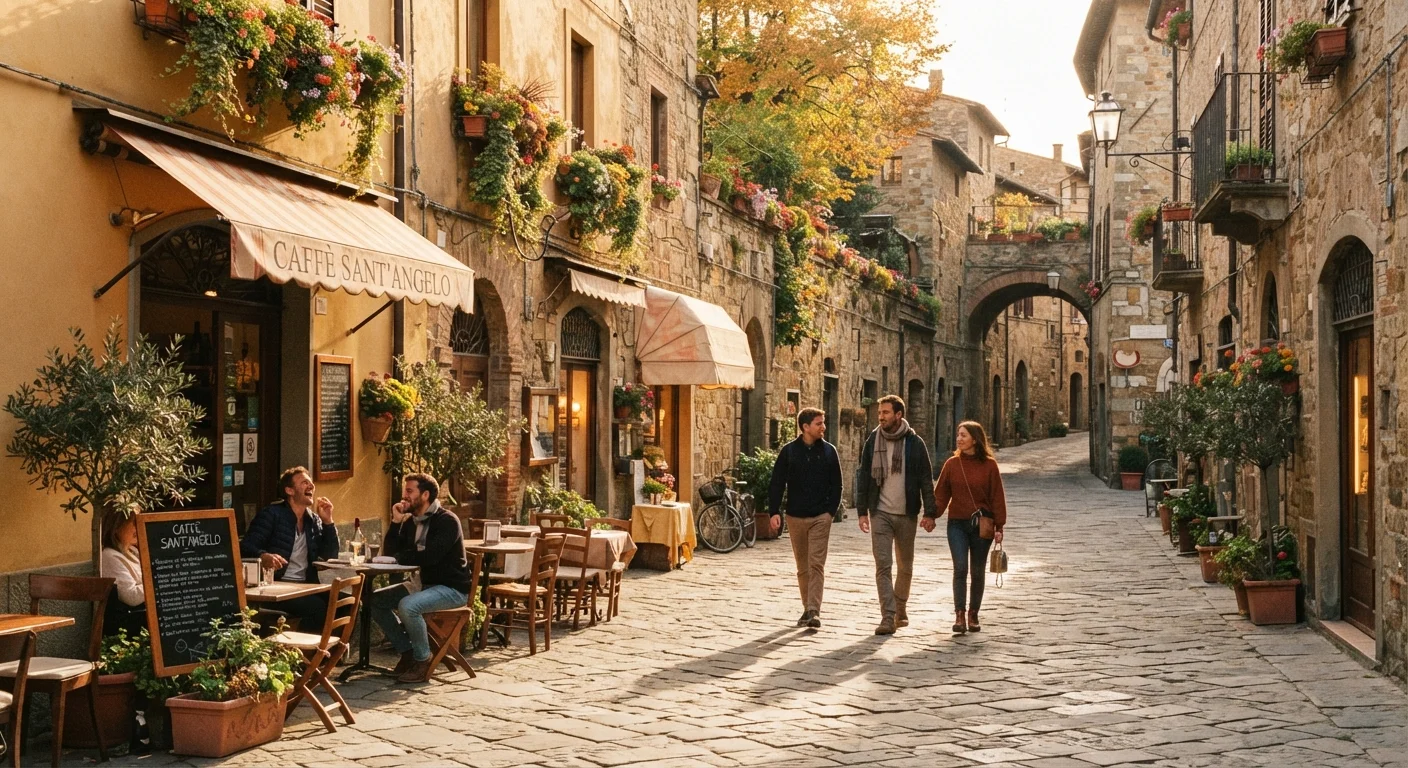
Travelers who deliberately target shoulder season often report three consistent wins: thinner crowds, lower prices, and a more authentic feel at their destination. Lines at major attractions move faster. Restaurants aren't turning tables at a frantic pace. Locals aren't outnumbered three to one by visitors.
Pricing tends to follow demand curves, so accommodations and flights frequently cost less outside peak windows - though the gap varies widely by destination. A beachside hotel in the Caribbean may drop rates substantially in late April before rainy season, while a popular European capital might show only modest differences between August and September.
The trade-offs are real, though. Weather is the biggest wildcard. Shoulder periods often bring more variability - afternoon showers, cooler nights, or occasional storms. Some seasonal businesses operate reduced hours or close entirely. Pairing shoulder season travel with a slow travel approach can actually turn unpredictable weather days into an asset - you have flexibility built into the itinerary rather than a packed schedule that rain can derail.
Pack for Both Sunshine and Showers
Shoulder season weather can shift fast. A lightweight waterproof layer, comfortable walking shoes that handle wet pavement, and a compact umbrella handle most scenarios without weighing down your bag. Building one free afternoon per destination into your itinerary also gives you a natural weather buffer.
How to Identify Shoulder Season for Any Destination
The first step is identifying when peak season actually is. For many US national parks, that's July and August. For ski resorts, it's Christmas through Presidents' Day. European beach destinations peak in July and August; city destinations often peak across summer and major holidays.
Once you know the peak, look at the two to four weeks on either side. That's your starting point for shoulder season research. Then layer in a few key questions: Is the weather still manageable? Are the main attractions open? Do hotel and flight prices show a noticeable difference? Official tourism boards and government travel resources are the most reliable place to verify seasonal conditions before committing to dates.
It's also worth checking for local events that can temporarily spike demand even in shoulder windows - a regional festival, a major sporting event, or a national holiday can make a normally quiet week feel like peak season all over again. Running through a pre-trip research checklist helps you surface these variables before you book.
Putting Shoulder Season Into Your Budget Strategy
Timing your trip is only one piece of a smart travel budget. The potential savings from traveling in shoulder season work best when combined with realistic cost planning from the start. Use our pre-trip budget planning checklist to map out expected daily costs before you make any reservations - accommodation, transport, food, and activities can all shift meaningfully depending on the season you choose.
Keep your itinerary flexible where possible. Shoulder season rewards travelers who can roll with a rainy afternoon or an attraction that's operating on limited hours. Build buffer time rather than a minute-by-minute schedule, and you'll find the occasional slower day often turns into an unexpected highlight - a quieter museum, a local market you stumble into, or simply a longer meal without feeling rushed.
Shoulder season won't be the right fit for every trip or every traveler. Families tied to school calendars, travelers who need specific weather guarantees, or anyone attending a fixed event won't always have the flexibility to shift dates. But for those who do have flexibility, the case for going just before or after peak is hard to argue with. Better experiences, at a pace you can actually enjoy, for a price that respects your budget - that's a combination worth planning around.
“The traveler who adjusts their calendar by just a few weeks either side of peak often gains more than they trade away - a destination at its most livable, not its most crowded.”
— Travel & Adventure Editorial Team, Editorial collective covering travel planning and budget strategy