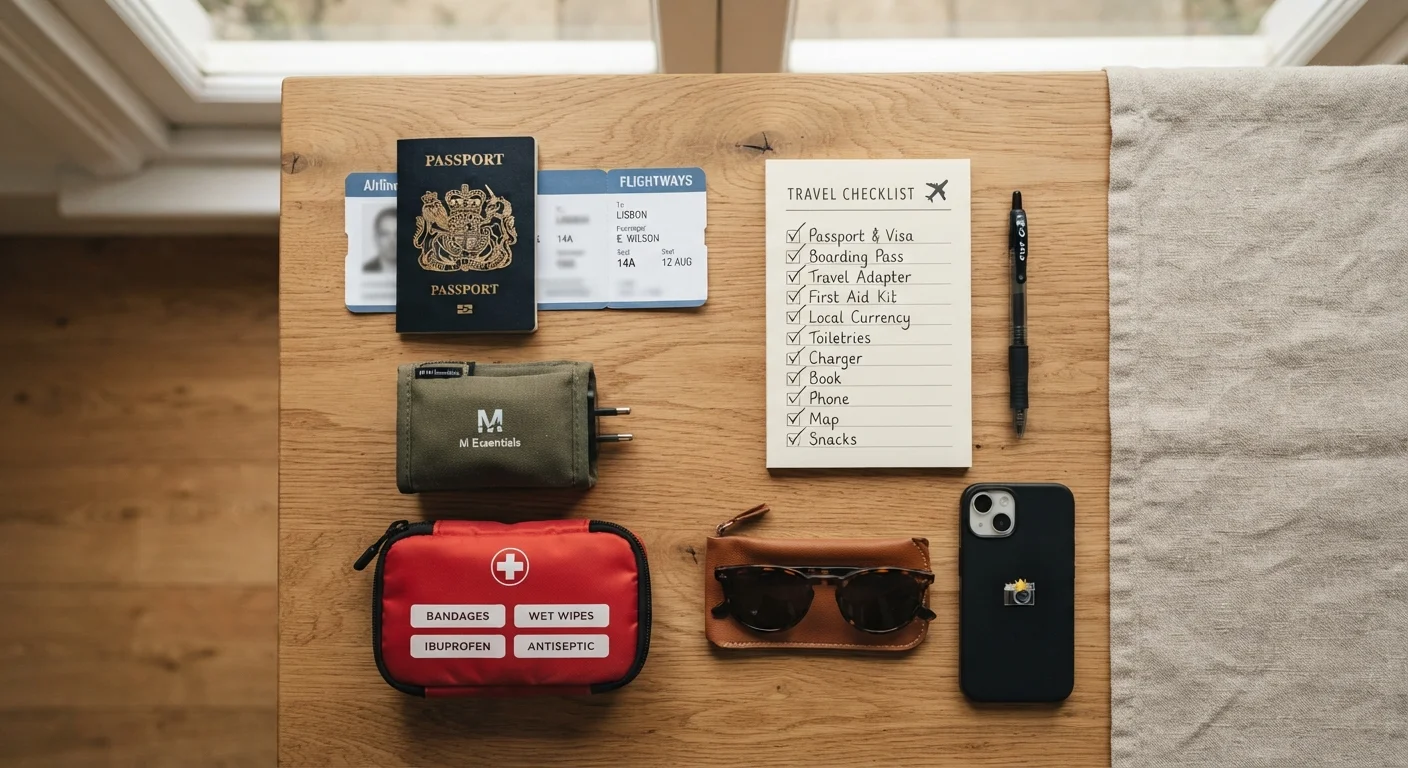
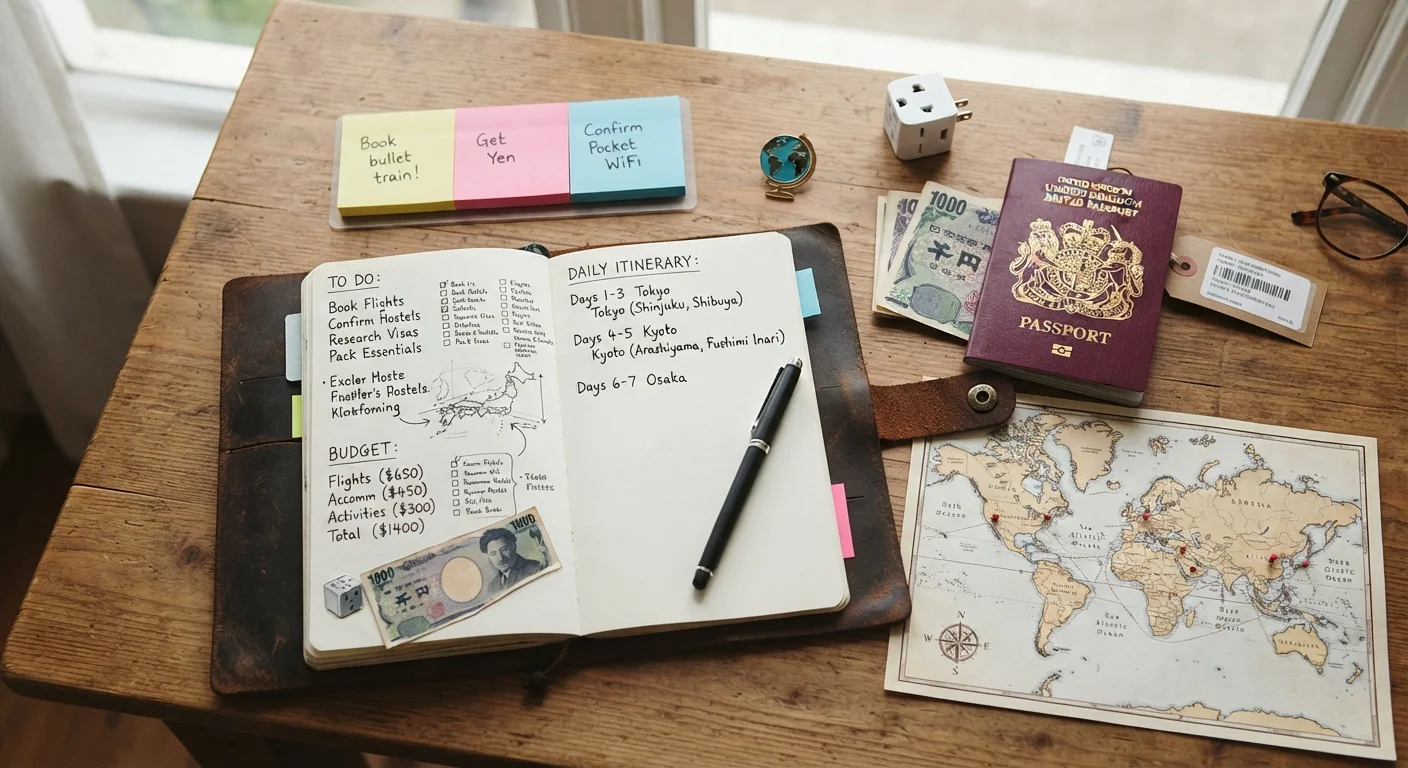
Why Research Before Booking Saves More Than Just Money
The excitement of locking in a flight deal or snapping up a great hotel rate is real - but booking before you've done your homework is one of the most common ways trips go sideways. A non-refundable reservation doesn't care that your visa application takes longer than expected or that the rainy season starts the week you arrive.
This checklist is designed to slow you down just enough to catch the details that matter most. Whether you're a first-timer or a seasoned explorer, working through these items before you confirm anything gives you leverage: leverage to choose the right dates, the right coverage, and the right expectations. For a broader look at how each planning phase fits together, see The Anatomy of a Well-Planned Trip.
If budget is your primary concern, pair this checklist with the Pre-Trip Budget Planning Checklist to catch hidden costs before they catch you.
Entry Rules Change Frequently
Visa policies, health requirements, and travel advisories can shift with little advance warning. Always verify entry requirements directly with the destination country's official embassy or immigration website - not third-party booking sites or travel blogs - as close to your departure date as practical.
Don't Rely Solely on Airline or Hotel Confirmations
A booking confirmation from an airline or hotel does not mean your entry is guaranteed. Your eligibility to enter a country depends on documentation you control - passports, visas, and health records. Confirm these independently of any commercial booking.
How to Use This Checklist
Run through each group in order - documents first, then health and safety, local conditions, and finally your bookings and finances. Some items will take only a few minutes; others (like applying for a visa or scheduling a travel medicine appointment) may need to happen weeks or months in advance.
Use the tools below to access official sources. Avoid relying on travel forums or blog posts for entry requirements - they are often outdated by the time you read them.
U.S. Department of State Travel Portal (travel.state.gov)
Official source for visa requirements, travel advisories, and the STEP enrollment program.
CDC Travelers' Health Website (wwwnc.cdc.gov/travel)
Provides destination-specific vaccination recommendations and health notices for international travelers.
Cloud Document Storage (e.g., a secure email folder or encrypted storage app)
Keeps digital copies of your passport, visas, insurance, and bookings accessible even if your device is lost.
Currency Conversion App
Helps you quickly understand local pricing and budget in real terms while planning and on the ground.
Travel Insurance Policy Documents
Essential reference for understanding your coverage limits, exclusions, and emergency contact numbers.
Once you've worked through every group, you'll be in a genuinely strong position to book with confidence rather than hope. For an even deeper dive into the details that experienced travelers double-check before leaving home, explore Overlooked Details That Experienced Travelers Always Check Before Leaving.
The Full Pre-Trip Research Checklist
Work through each group below. Items marked must are non-negotiable - skipping them carries real risk. Should items are strongly recommended for most trips. Nice-to-have items are worth considering if time allows.
Passport Validity: The Six-Month Rule
Many countries require your passport to be valid for at least six months beyond your planned return date - not just your departure date. If your passport expires within that window, you may be denied boarding at the airport or refused entry at the border. Check your passport's expiration date well in advance and allow several weeks for renewal if needed.
Documents & Entry Requirements
Health & Safety Preparation
Local Conditions & Logistics
Bookings & Financial Checks
Planning your first solo journey? This checklist pairs directly with Your First Solo Trip: Everything You Need to Know Before You Go, which covers budgeting, accommodation, and managing the unexpected in greater depth.
This article provides general travel planning information only. Entry requirements, health rules, and travel advisories change frequently. Always verify current conditions with official government sources and qualified professionals before traveling.