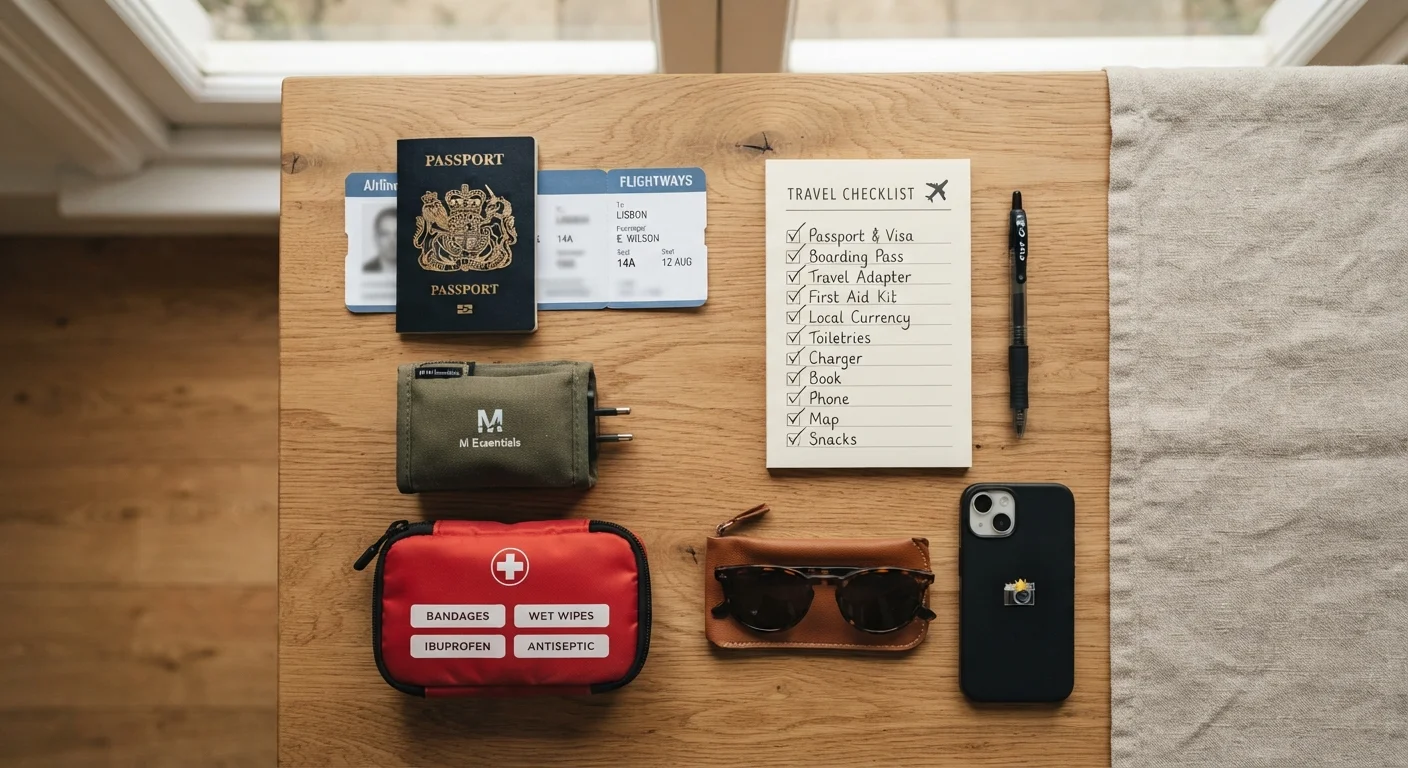

Where the Planning Split Actually Begins
Most travelers know that crossing a border means showing a passport. What surprises people - especially first-timers - is how far upstream that difference reaches. The gap between domestic and international trip planning isn't just at the airport security line; it starts months before departure and touches nearly every category of preparation.
Domestic travel within the US generally lets you move fast. A long weekend in Nashville or a road trip through the Rockies can come together in a matter of days. International travel, by contrast, typically demands a planning runway of three to six months or more, depending on the destination. Understanding the core phases of trip planning helps explain why: each phase - research, documentation, booking, logistics - takes longer when a foreign country is involved.
| Planning Area | Domestic Travel | International Travel | |
|---|---|---|---|
| Required documents | Government ID or REAL ID | Passport, possible visa, health docs | |
| Typical planning lead time | Days to a few weeks | 3-6 months or more | |
| Currency preparation | None required | Exchange, fees, bank notification | |
| Travel insurance urgency | Optional for most trips | Strongly advisable; evacuation risk | |
| Health requirements | Generally none | Vaccinations may be required | |
| Phone/data planning | Typically covered by carrier | International plan or SIM needed | |
| Entry requirement research | Minimal | Destination-specific and critical |
Documentation: The Biggest Structural Difference
For domestic travel, a government-issued ID covers most bases, and for flights, a REAL ID-compliant license or passport will do. International travel stacks on top of that: a valid passport is the floor, not the ceiling.
Visa requirements vary by destination and can range from a simple online application to a multi-week embassy process. Some countries require proof of onward travel, minimum bank balances, or specific vaccinations - requirements that simply don't exist for domestic trips. Always verify entry rules through official government sources, as requirements change and no third-party article can guarantee current accuracy.
Check Passport Expiration Early
Many countries require your passport to be valid for at least six months beyond your travel dates - not just your departure date. Check expiration well in advance, as US passport renewal processing times can range from several weeks to a few months depending on demand. Renewing under a tight deadline often requires an in-person appointment and additional fees.
Health documentation adds another layer internationally. Certain destinations require proof of yellow fever vaccination or other immunizations. Travel health clinics typically recommend scheduling appointments at least four to six weeks before departure to allow time for vaccines to take effect. For the full pre-departure picture, work through a comprehensive pre-trip research checklist before confirming any reservations.
Money, Insurance, and Communication Logistics
Domestic travelers rarely think twice about using their debit card or knowing what emergency care might cost. International travelers face a genuinely different financial landscape.
Currency exchange, foreign transaction fees, and banking access vary widely by country. Notifying your bank before departure is a basic step many people skip - only to find their card blocked on day one abroad. Travel insurance, while useful domestically, becomes substantially more important internationally: medical evacuation from a remote country can cost tens of thousands of dollars without coverage.
$50,000+
Typical international medical evacuation cost
Medical evacuation from a remote international destination can easily exceed $50,000 without travel insurance, according to general estimates cited by travel health organizations.
6 weeks
Recommended vaccine lead time before international travel
The US CDC generally recommends visiting a travel health clinic at least 4-6 weeks before international departure to allow vaccines to take full effect.
Phone plans are another surprise. Domestic roaming is typically included in most US carrier plans, but international data and calls can generate shocking bills without an international plan or a local SIM card. Seasoned travelers check these details before leaving - and doing so prevents costly surprises.
For travelers keeping a close eye on spending, the logistical overhead of international travel - insurance, currency, communication - factors meaningfully into overall budget. A full budget travel guide can help you account for those costs from the start.
What Domestic Travel Gets Wrong Too
It's tempting to assume that staying stateside means nothing can go wrong from a planning standpoint. In reality, domestic trips have their own overlooked friction points. National park entry reservations, for example, now require timed-entry permits at popular sites - showing up without one can mean turning around at the gate. Peak-season lodging in domestic hotspots books out weeks in advance.
If you're traveling with a group, domestic trips suffer from the same expectation misalignment as any journey. Aligning expectations before the trip starts matters whether you're crossing a state line or an ocean.
Unfamiliar terminology can also trip up even careful planners on both domestic and international itineraries. Getting comfortable with concepts like fare classes and open-jaw routing helps you make smarter booking decisions - a plain-language guide to key travel terms is worth a read before you start comparing flights.
Travel requirements, entry rules, and health documentation can change without notice. Always verify current requirements through official government and destination-country sources before booking or traveling.