Why Packing Methodology Matters More Than Bag Size
Most packing frustration comes from the same root cause: starting without a system. Experienced travelers rarely pack better because they own fancier luggage - they pack better because they follow repeatable principles regardless of destination or trip length. Whether you're heading out for a long weekend or embarking on a multi-week international journey, the same core logic applies.
A well-packed bag saves you real time and money. Avoiding checked bag fees, finding items without unpacking everything, and moving through airports with ease are all downstream benefits of packing intentionally. For a broader look at how packing fits into the full planning process, see The Anatomy of a Well-Planned Trip.
Build your list around activity categories, not calendar days.
Packing 'seven outfits for seven days' leads to redundancy and overpacking. Instead, grouping clothing by activity type - travel days, outdoor excursions, evenings out - reveals exactly what you need and eliminates duplicates. This approach scales naturally from a weekend trip to a three-week adventure.
Use the 'wear it or lose it' rule for every item you consider.
Each item you add has a weight and space cost. Asking 'Will I genuinely wear or use this at least twice?' filters out the aspirational items that ride along untouched. This single question alone tends to reduce packing volume by 20-30% for most travelers.
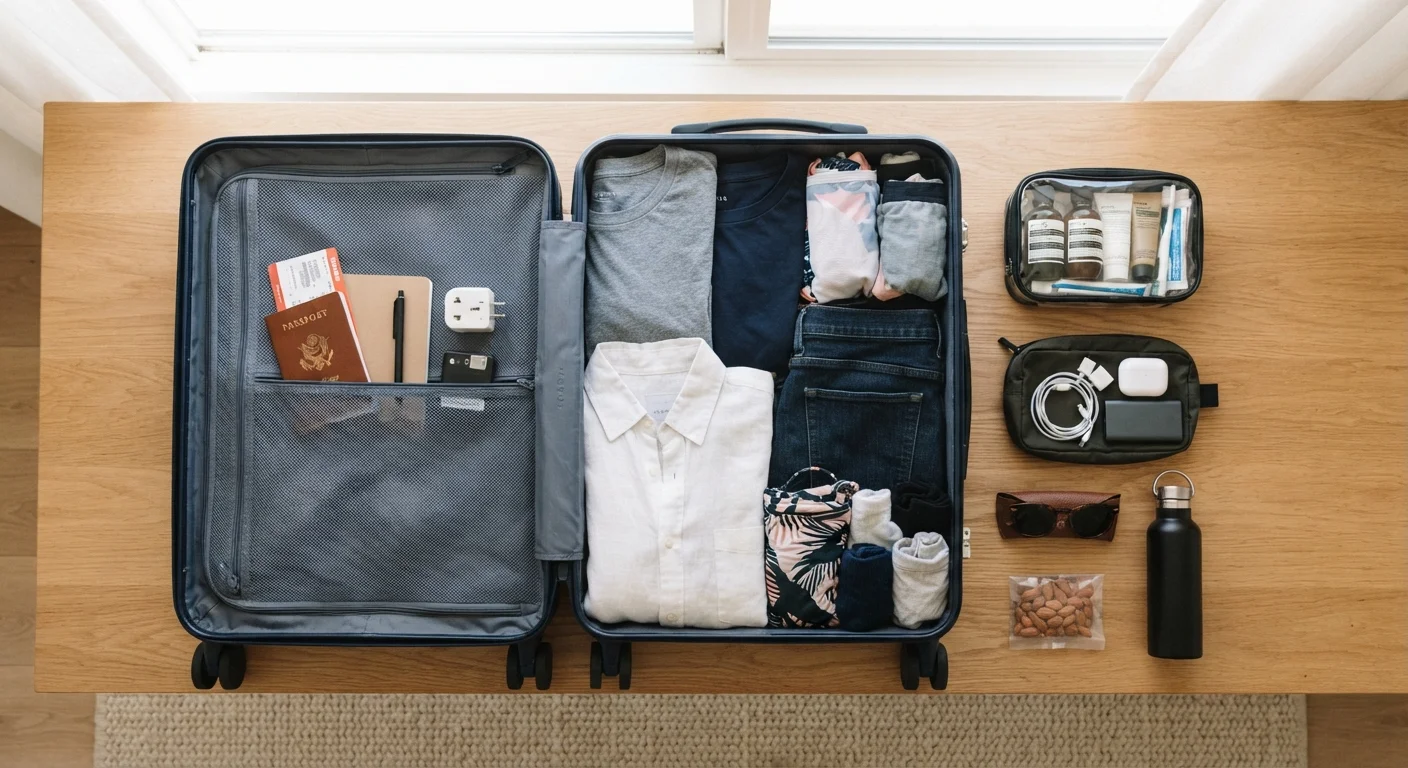
Roll soft clothing items and pack heavier items closest to the wheels.
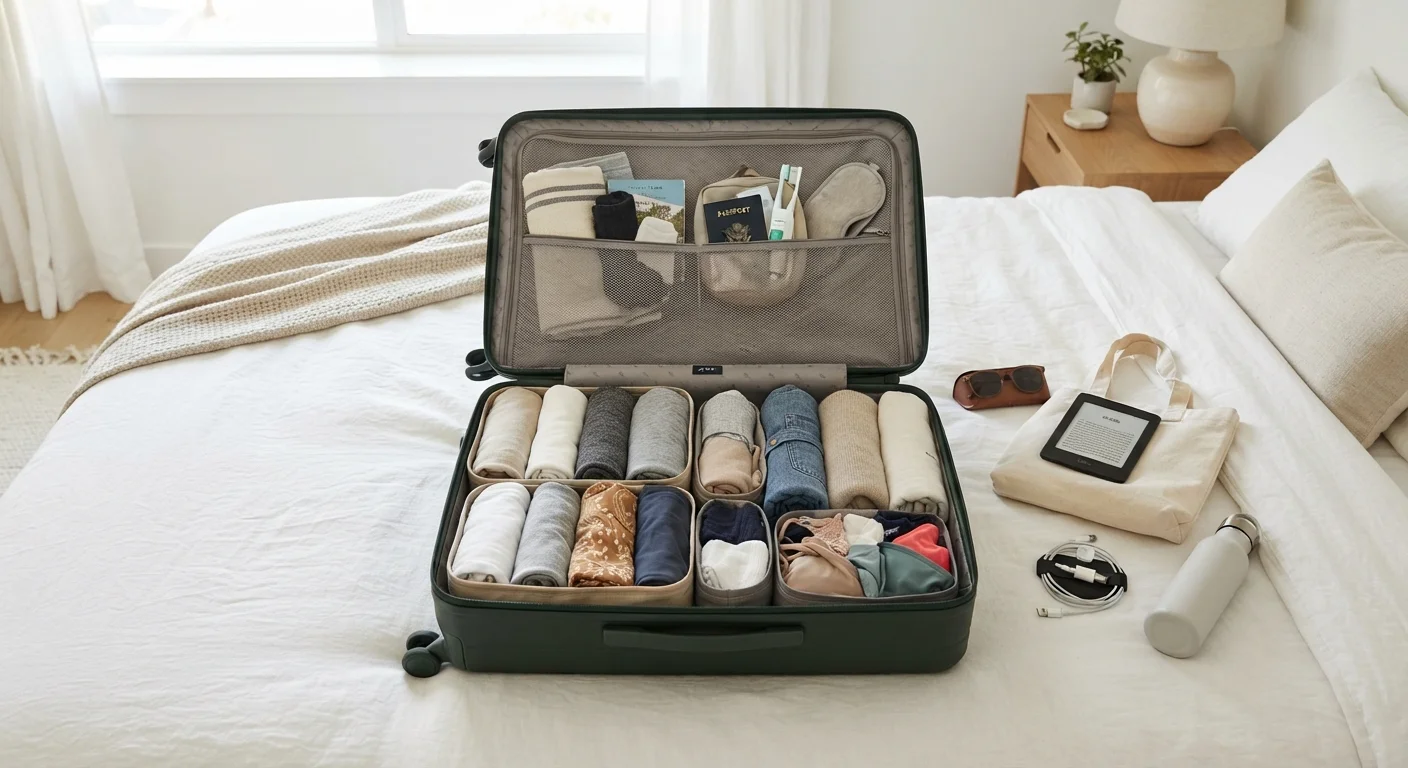
Rolling rather than folding reduces wrinkles in most fabrics and creates a more compressed, stackable result. Placing denser items - shoes, electronics - near the wheels keeps the bag balanced when upright and reduces stress on the zippers.
Pack one complete change of clothes and key toiletries in your personal item or personal bag.
Delayed or lost checked luggage is an inconvenience that becomes a serious disruption when you arrive at a destination with nothing wearable. Keeping one day's essentials accessible means a lost bag is an annoyance rather than a trip-ruining event.
Leave roughly 20% of your bag empty on the way out.
That empty space isn't wasted - it's a buffer for souvenirs, unexpected purchases, extra layers if weather shifts, or gifts. Travelers who pack to capacity routinely either pay overweight fees on the return trip or face the anxiety of cramming items in.
Standardize a master packing list and refine it after every trip.
Memory is unreliable, especially when packing under time pressure. A maintained list captures lessons - the item you forgot, the one you never used - and gets smarter over time. It also dramatically reduces packing time on repeat-style trips.
The Carry-On Question: An Honest Trade-Off
The appeal of carry-on-only travel is real - skipping baggage claim, avoiding checked-bag fees, and moving faster through airports. But it demands genuine discipline, especially on longer trips or in variable climates. Before committing to a carry-on, honestly assess your destination's weather range, your planned activities, and how comfortable you are with repeating outfits.
For a candid breakdown of what carry-on-only travel gains and gives up, The Trade-Offs of Traveling with Only a Carry-On is worth reading before you decide. If you do check a bag, packing cubes become even more valuable for keeping everything accessible without a full unpack.
Before You Zip Up: The Overlooked Checks
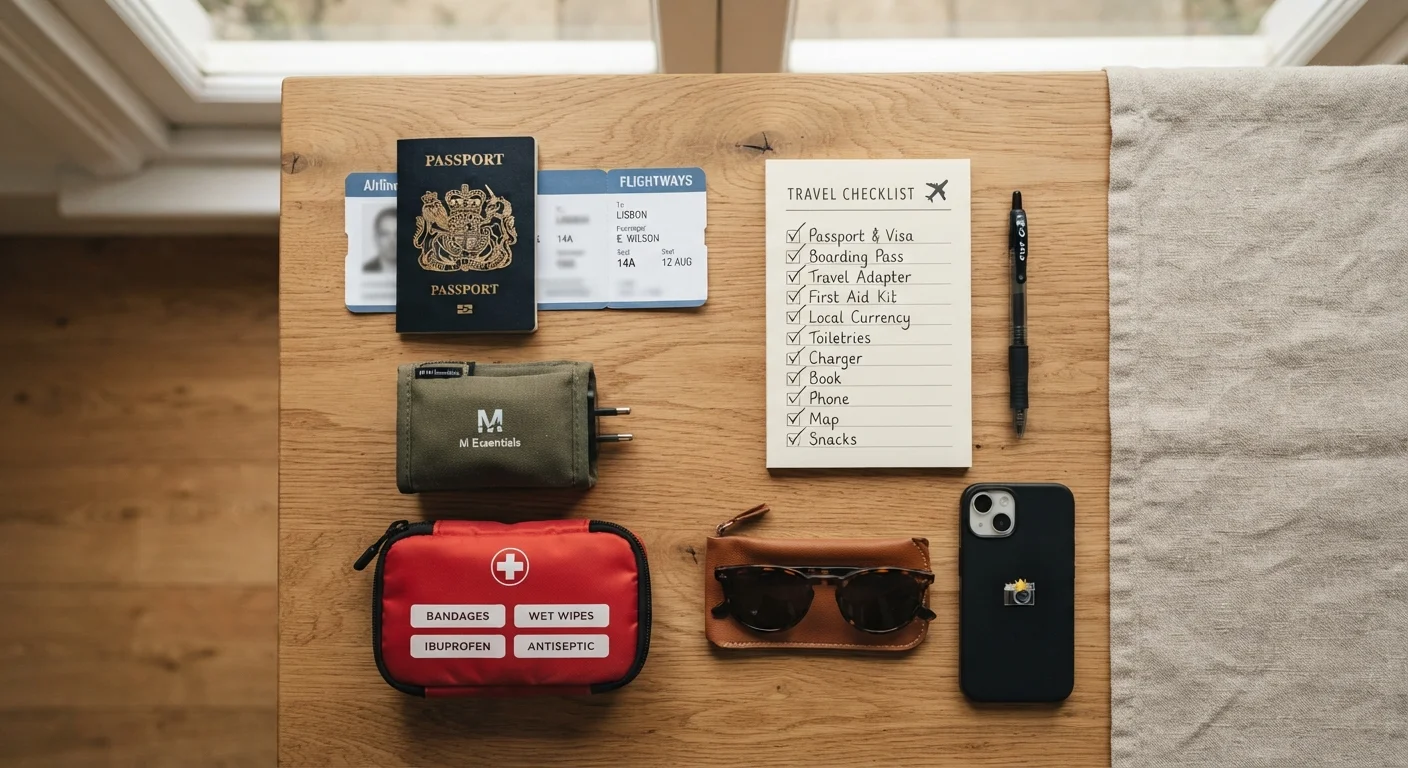
Once your bag feels complete, a final verification step separates confident packers from stressed-at-the-gate ones. Verify carry-on size limits for every carrier on your itinerary - these vary more than most travelers expect. Check liquid restrictions, confirm any destination-specific regulations (some countries restrict certain medications or electronics), and make sure your documents are accessible rather than buried.
These pre-departure details are easy to skip under time pressure. Overlooked Details That Experienced Travelers Always Check Before Leaving covers the specifics that most commonly catch travelers off-guard. For entry requirements, vaccinations, and visa rules, always verify directly with official government and carrier sources - these change and no article can substitute for current official information.
Verify Restrictions Before Every Trip
Airline carry-on dimensions, liquid limits, and destination-specific import rules change more frequently than most travelers realize. Always confirm current regulations directly with your carrier and the relevant government travel authority before your departure date. No packing guide can substitute for up-to-date official sources, especially for international travel.