Why National Park Logistics Catch Road Trippers Off Guard
National parks sit at the top of almost every US road trip wish list - and for good reason. From the geothermal spectacle of Yellowstone to the sheer granite cliffs of Yosemite, they offer scenery that genuinely earns its reputation. But the planning assumptions people bring to these parks are often dangerously outdated.
The single biggest shock for first-timers: showing up without a reservation no longer guarantees entry at many high-demand parks. Starting around 2020-2021 and continuing since, parks including Yosemite, Zion, Glacier, and Rocky Mountain have implemented timed-entry or vehicle reservation systems during peak periods. Spots sell out weeks - sometimes months - in advance. A traveler who builds their entire itinerary around a spontaneous morning drive into Zion can find themselves turned away at the gate.
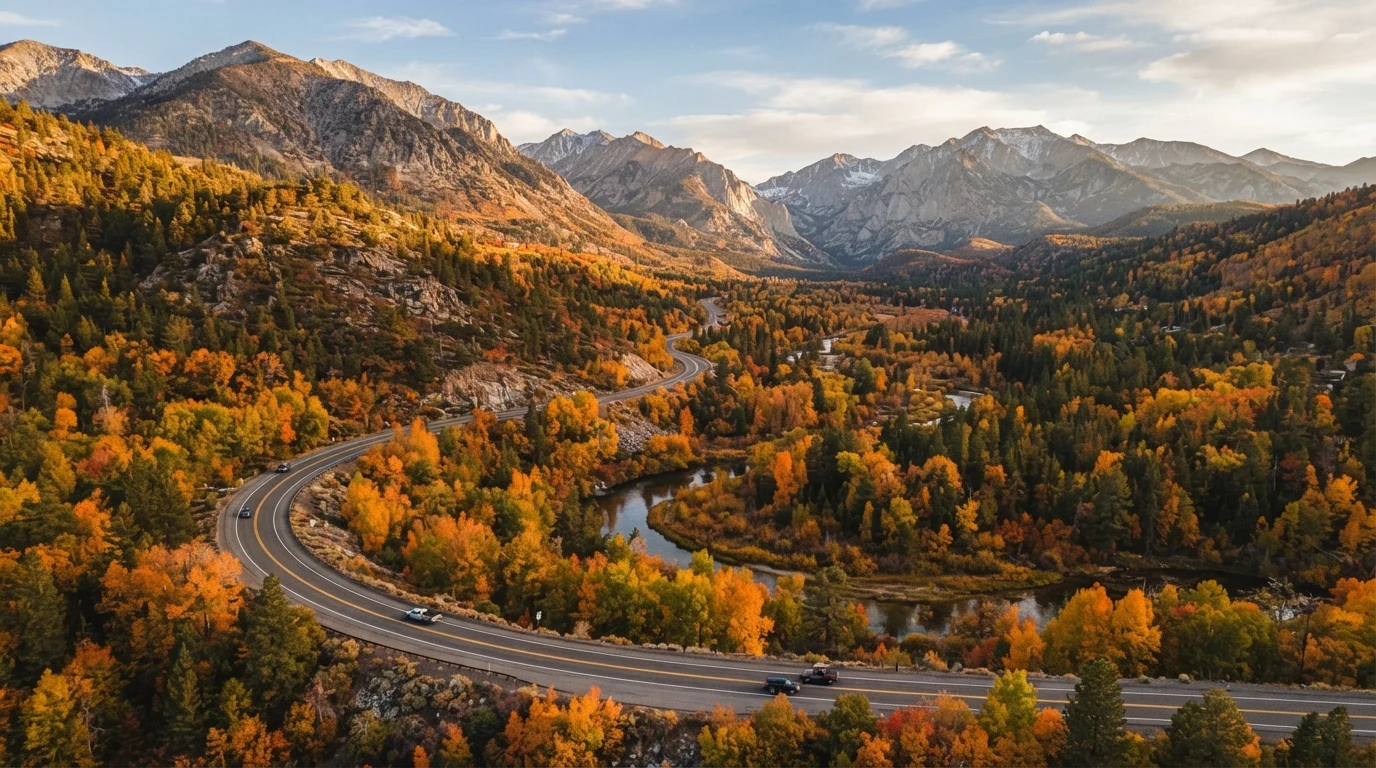
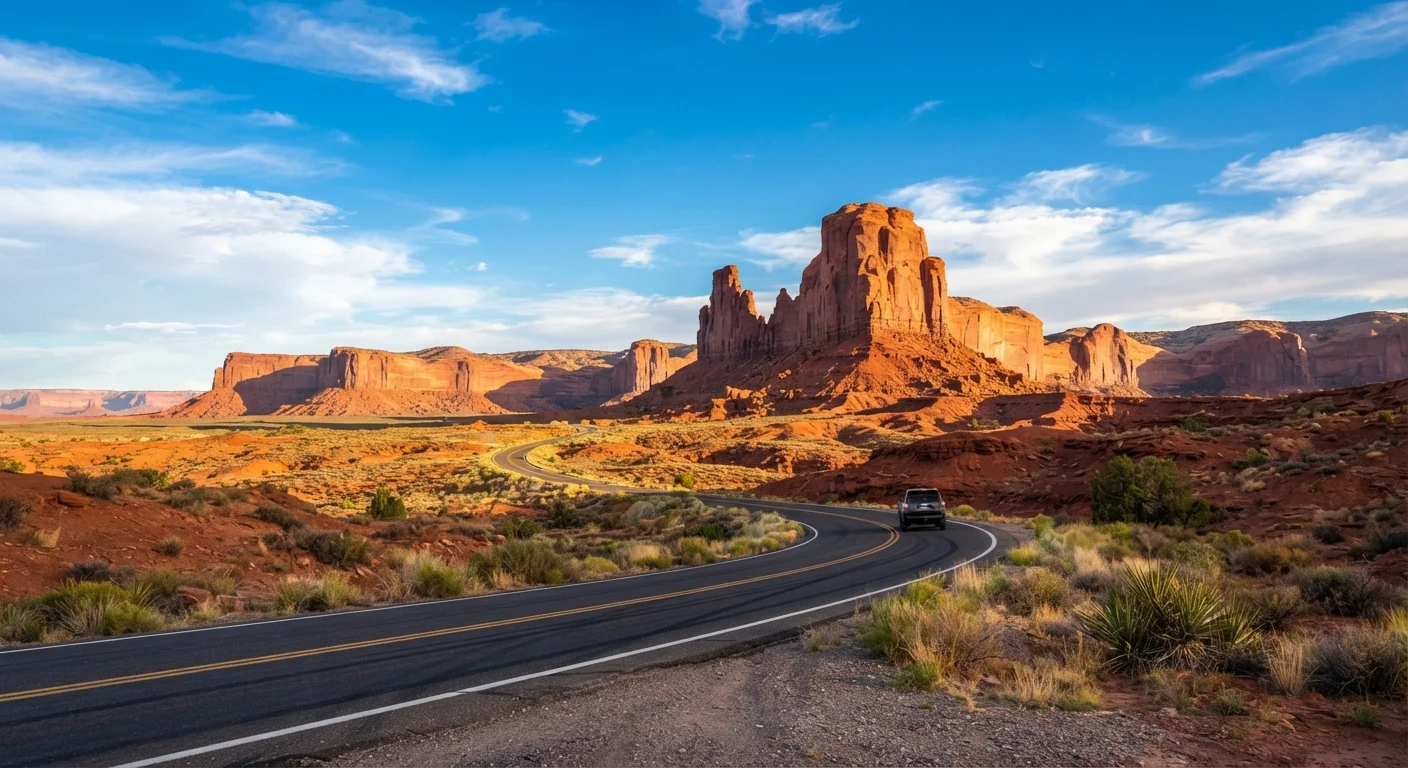
Beyond entry, there's the problem of wildly underestimated drive times. Mapping apps calculate park traversals at highway speeds, but roads inside parks are slow, winding, and frequently clogged with stopped vehicles photographing wildlife or scenery. A route that Google Maps labels as 45 minutes can easily stretch to two hours. As our guide to buffer time explains, this is one of the most derailing planning errors in all of travel - and parks magnify it dramatically.
Timed-Entry Reservations Sell Out Fast
At parks like Yosemite and Glacier, timed-entry reservation windows can sell out within hours of opening - sometimes within minutes for the most popular entry slots. If your travel dates fall in summer, treat reservation day as a priority task and be logged in to Recreation.gov before the window opens. Missing the window doesn't always mean missing the park, but it significantly limits your options.
Add to this the separate permit systems for specific trails - The Wave in Vermilion Cliffs, the Half Dome cables in Yosemite, Angels Landing in Zion - and it's clear that national park visits demand a fundamentally different planning approach than a typical highway stop.
How to Build National Parks Into a Road Trip That Actually Works
What you will need
The good news: with the right sequence of steps, you can plan a park-heavy road trip that's both ambitious and genuinely enjoyable. The key is treating each park as its own mini-project within your broader itinerary rather than a waypoint you'll figure out en route. Start your planning process well before departure - ideally three to six months ahead for summer visits to high-demand parks.
Identify which parks require advance reservations
Visit the official National Park Service website (nps.gov) for each park on your list and check the "Fees & Reservations" section. Note whether a timed-entry reservation, vehicle reservation, or separate permit is required - and critically, when reservations open. Many systems release slots on a rolling basis (e.g., two weeks before entry date) while others open months ahead in a single release window.
Secure entry reservations and permits before booking anything else
Treat park reservations as your itinerary anchors. Set calendar reminders for each booking window and be ready to complete reservations the moment they open - popular slots disappear within minutes. Once you have confirmed park entry windows, build your driving route, accommodation, and surrounding activities around those fixed dates rather than the other way around.
Research and apply for trail-specific permits separately
Some of the most iconic experiences inside national parks - The Wave lottery, Half Dome cables, Angels Landing chains - require permits that are entirely separate from park entry. Most use a lottery system through Recreation.gov, with advance lottery windows (months ahead) and day-before lotteries offering a second chance. Read the specific permit page for each experience you want and enter every applicable lottery.
Map realistic in-park drive times and add a buffer
Use the NPS website's park maps and visitor guides to understand key road distances and speed limits inside the park (often 25-45 mph). Then multiply your mapping app's estimated drive time by at least 1.5-2x to account for traffic, pullouts, wildlife stops, and parking. Build this adjusted time into your daily schedule so that a two-hour scenic drive doesn't consume a four-hour block of your day.
Book gateway accommodation well in advance
Campgrounds inside parks release reservations on Recreation.gov up to six months in advance and fill rapidly. If in-park camping isn't available, search for lodging in the nearest gateway town and factor the extra daily driving into your schedule. Consider planning at least one rest day per three to four days of intensive park exploration to avoid burnout.
Once you've locked in entry reservations and permits, you can build the rest of your driving route around confirmed park windows rather than hoping things work out. This approach also pairs well with the broader anatomy of a well-planned trip, where flexibility lives in the spaces between anchored commitments, not inside them.
Shoulder Seasons Are Often Worth It
Late April through May and mid-September through October tend to offer shorter lines, more available permits, and cooler temperatures at lower-elevation parks like Zion and Joshua Tree. Crowds at most parks drop noticeably after Labor Day. Checking the NPS "Know Before You Go" page for each park gives you seasonality-specific guidance that's worth reading before you book.
A note on pacing: most experienced road trippers recommend no more than two major parks per week of driving. Trying to hit Bryce Canyon, Zion, Capitol Reef, and Arches in four days sounds thrilling on paper - and exhausting in practice. Give each park at least a full day, ideally two, and your memories will be richer for it. For deeper context on timing your trip around park seasons, see what road trip season actually means.
Common Misjudgments - and How to Correct Them
Even well-prepared travelers stumble on a few recurring blind spots. Being aware of them in advance puts you miles ahead.
- Assuming the park fee covers everything. Your America the Beautiful pass or park entry fee grants general access - it does not cover special-use permits for regulated trails or backcountry zones. Research each park's permit structure individually on the NPS website.
- Trusting app-generated ETAs inside parks. Add a 50-100% buffer to any drive time estimate within park boundaries, especially during summer. Build that buffer into your reservation windows.
- Skipping shoulder seasons. Late September through October, or mid-April through May, frequently offer lighter crowds, more available permits, and spectacular seasonal light - without the brutal summer heat at lower-elevation parks.
- Booking accommodation too close to the park. Gateway towns fill up fast. If you can't get lodging inside the park (campground reservations also sell out early), book in the nearest town and factor the additional drive into your daily timing.
If this is your first time organizing a drive of this scope, the foundational guide to planning your first US road trip walks through budgeting, packing, and route selection in detail. And for the surprises no one warns you about - long fuel gaps, unpredictable weather, over-packed days - what no one tells you before you go is required reading before departure.
National parks are absolutely worth the planning effort. With realistic expectations and a reservation-first mindset, they become the most memorable stretches of any road trip - not the most stressful ones.