Why Service Records Are Worth More Than You Think
Most drivers keep receipts stuffed in a glove box or forget about them entirely. It's easy to treat a maintenance record as an afterthought - after all, the car runs, so why does the paperwork matter? The answer becomes clear the moment you try to sell the vehicle, file a warranty claim, or diagnose a persistent mechanical issue.
A well-maintained service history tells a story. It demonstrates that a vehicle received consistent care, that problems were addressed on time, and that the owner was attentive. For prospective buyers, that story translates directly into trust - and often a higher selling price. For mechanics and dealers, it's a diagnostic shortcut that can save both time and money. As part of keeping a car running well for the long haul, organized records are one of the simplest habits with outsized returns.
What Belongs in a Service Record
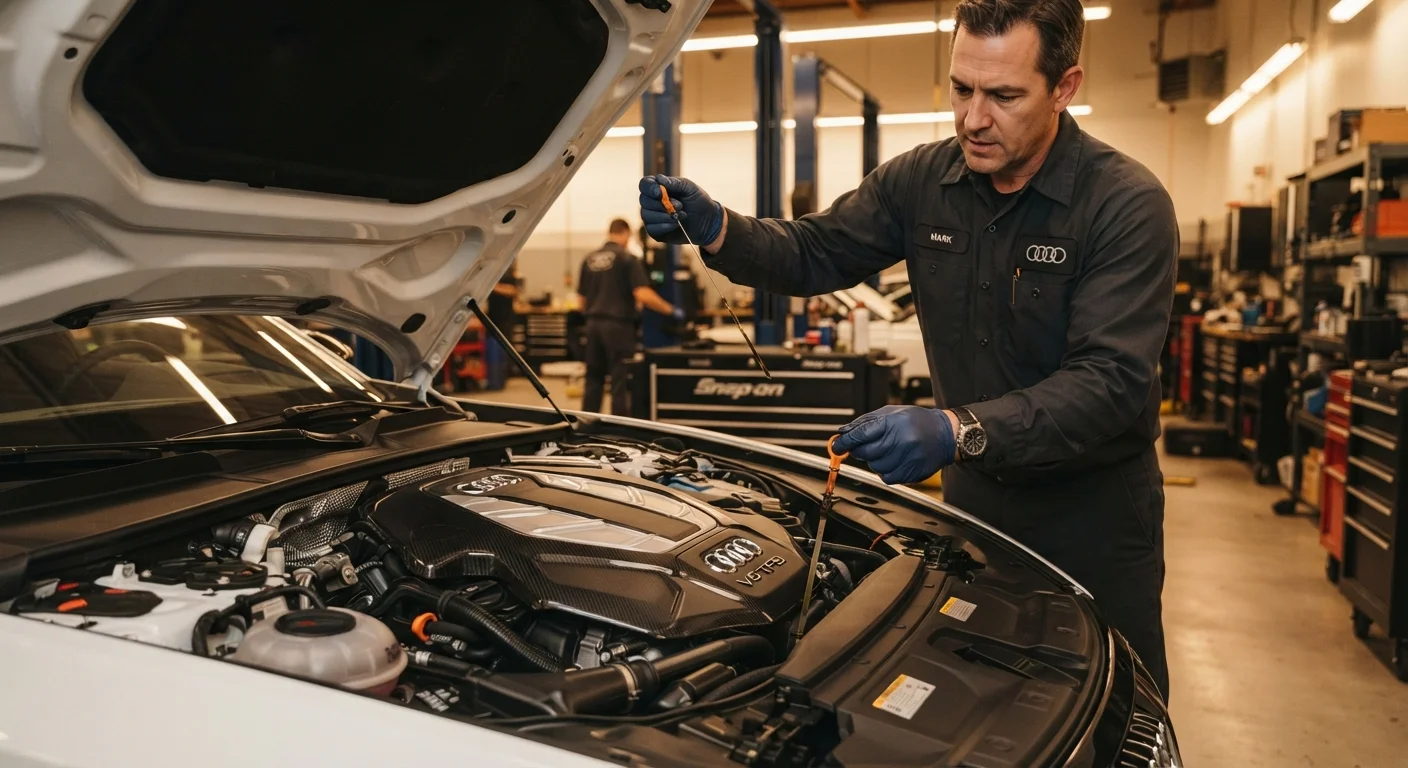
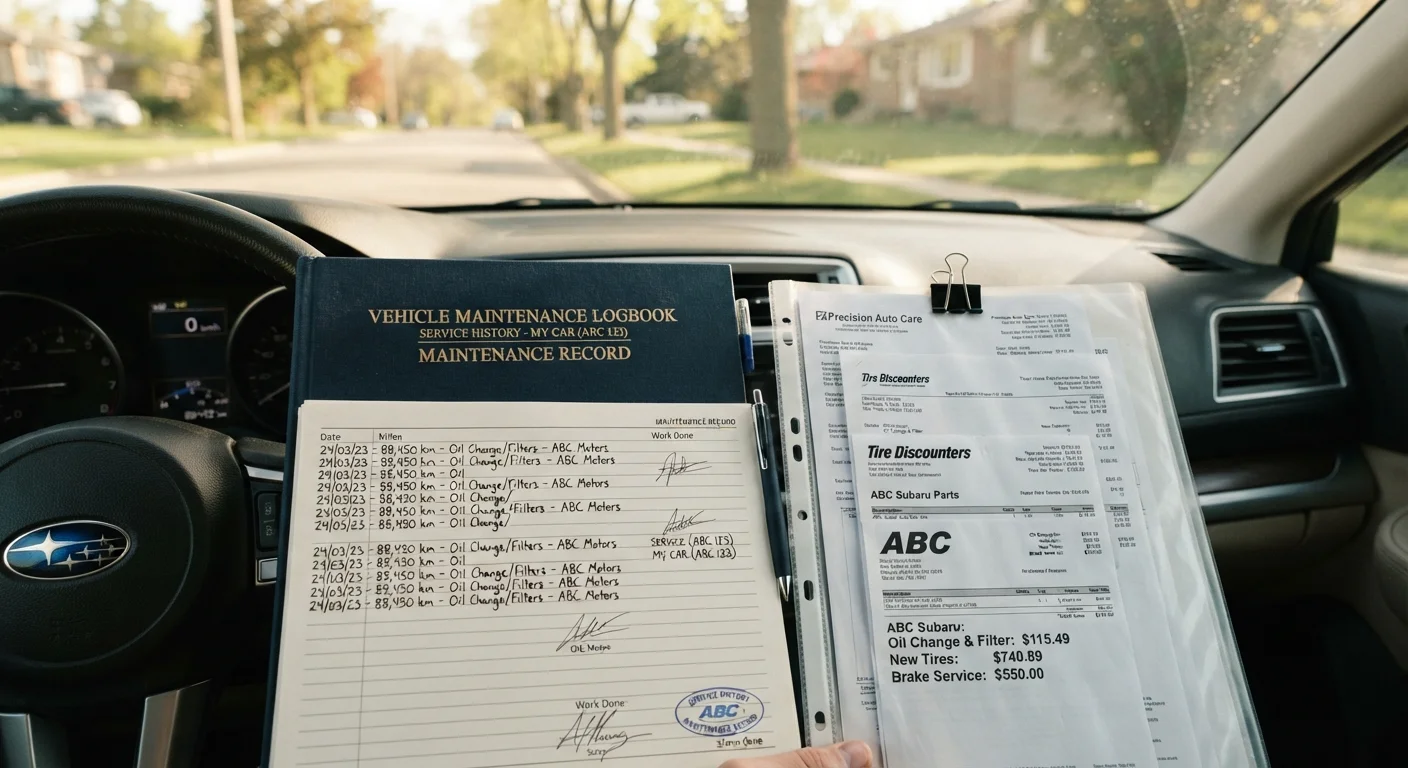
A thorough service record goes beyond oil change stickers. Every time work is performed on the vehicle - whether at a shop, dealership, or in your own driveway - a record should capture:
- Date and current mileage at the time of service
- Description of work performed (e.g., oil and filter change, brake pad replacement, tire rotation)
- Parts used, including any part numbers if available
- Name of the shop or technician who performed the work
- Cost paid, which helps establish a financial history and supports warranty claims
- Any diagnostic codes retrieved, even if no repair was made
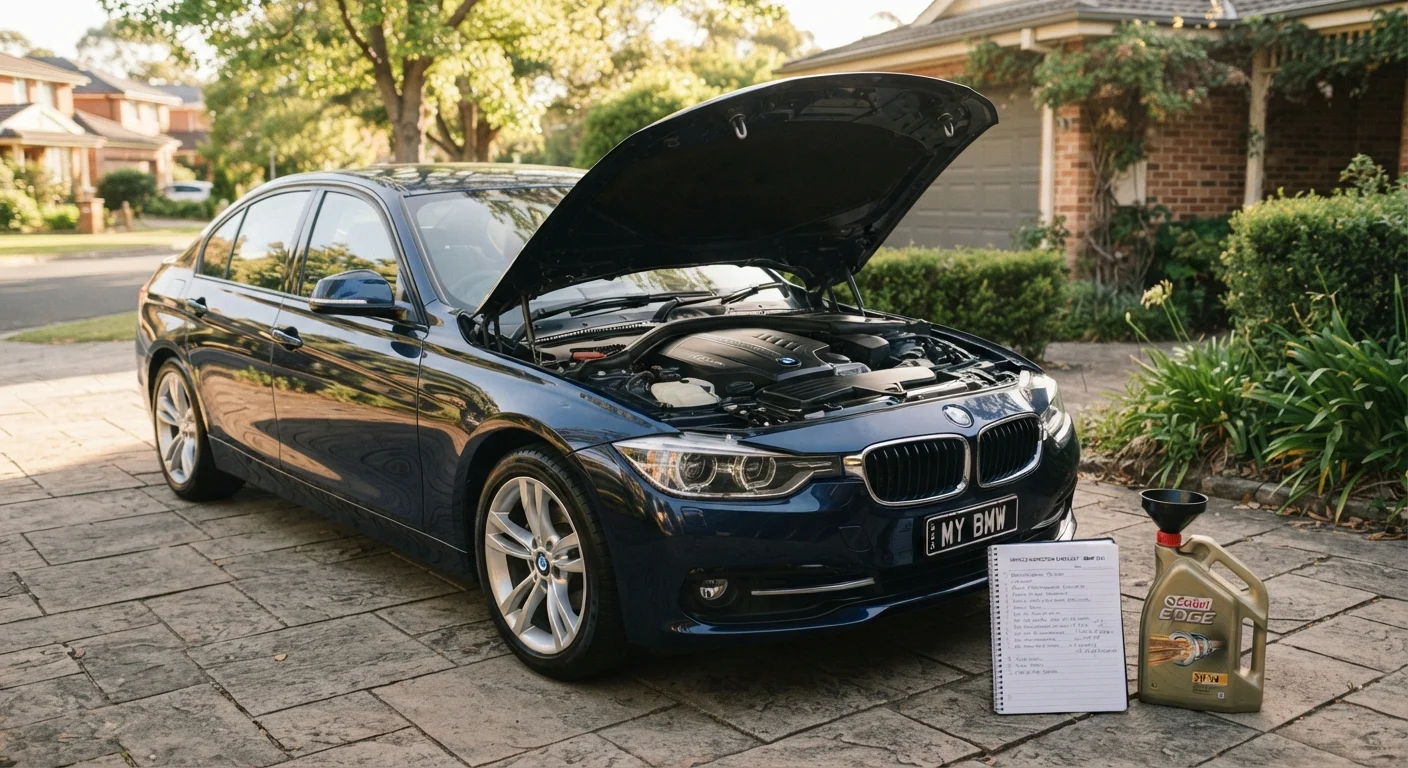
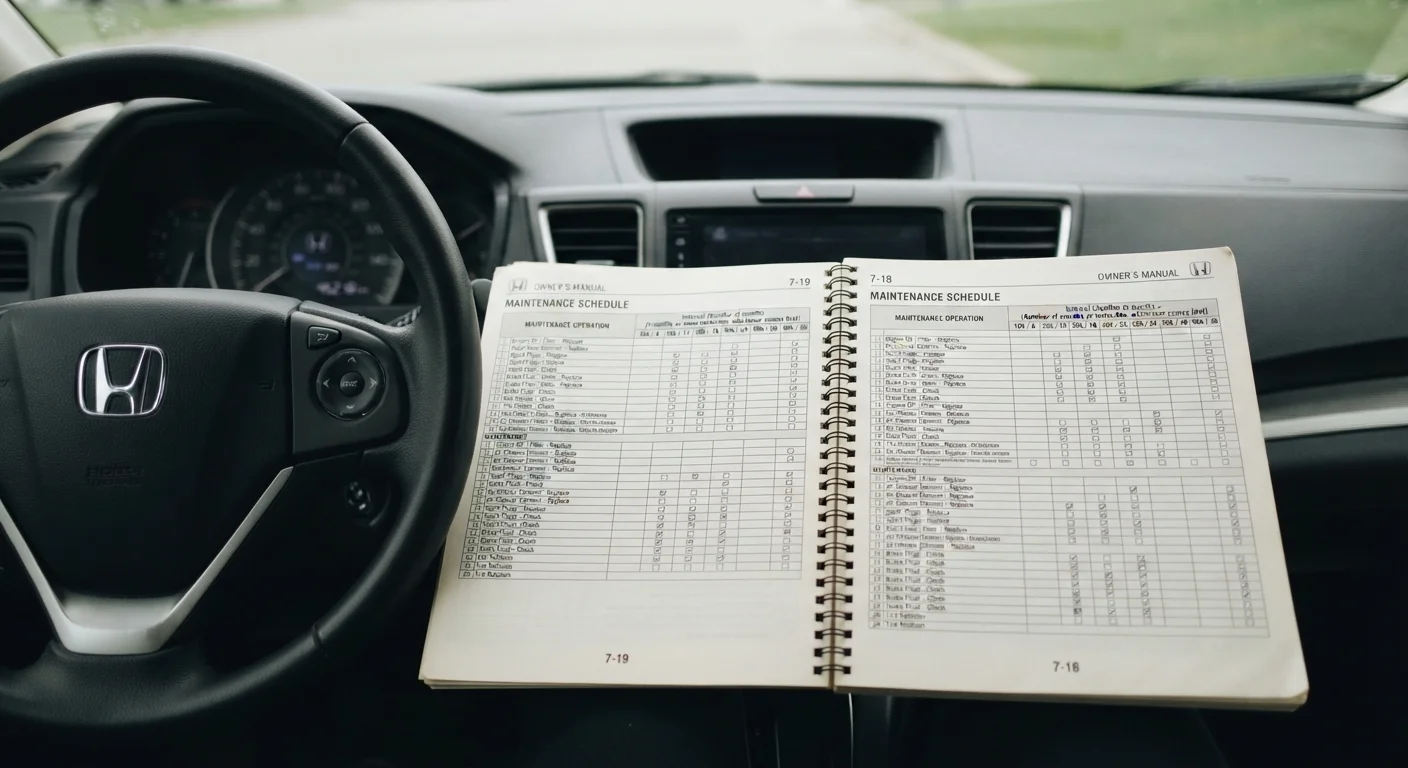
DIY maintenance should be recorded too. Note the product used, where you sourced the part, and confirm it meets manufacturer specifications. The manufacturer's maintenance schedule in your owner's manual is the baseline every record should be checked against.
How to Organize and Store Your Records
The format matters less than the discipline. Some owners use a dedicated paper logbook kept in the glove box. Others scan receipts and store them in a cloud folder or use a vehicle management app. Either approach works, as long as records are accessible, complete, and consistently updated.
When buying a used vehicle, always ask for the service records before agreeing to a purchase. A seller who cannot produce any documentation introduces meaningful uncertainty about how the car was treated. Cross-referencing claimed service history against the manufacturer's recommended intervals - outlined in guides like the complete vehicle maintenance overview - helps you spot gaps quickly.
Records, Warranties, and Resale: The Practical Stakes
Manufacturers and extended warranty providers often require documented proof that scheduled maintenance was performed to honor a claim. If you experience a powertrain failure and cannot show that oil changes were completed at recommended intervals, a claim can be denied - regardless of whether the maintenance actually happened. The burden of proof is on the owner.
On the resale side, vehicles with complete service histories consistently attract more buyer interest and stronger offers than identical models without records. This is especially true for higher-mileage vehicles, where buyers are more cautious about hidden problems. Understanding the full picture of routine maintenance every car owner should know about makes it easier to understand exactly what records to keep.
“A vehicle's service history is essentially a health record. Gaps in that record don't just raise questions - they shift risk entirely onto the buyer or the warranty holder.”
— Automotive Consumer Research Panel, Industry advisory body on vehicle ownership and consumer protection
Service records are also a diagnostic tool. If your vehicle has experienced the same type of problem multiple times - say, repeated battery failures or recurring brake noise - a complete log makes that pattern visible. Without it, each visit to a mechanic starts from scratch.
Treat your vehicle's service history as part of the car itself. It has real value, it can be built over time, and it costs nothing except a few minutes of attention after each service. That's a worthwhile return for any driver who cares about managing their vehicle investment wisely.