Why No Mirror Setup Is Perfect
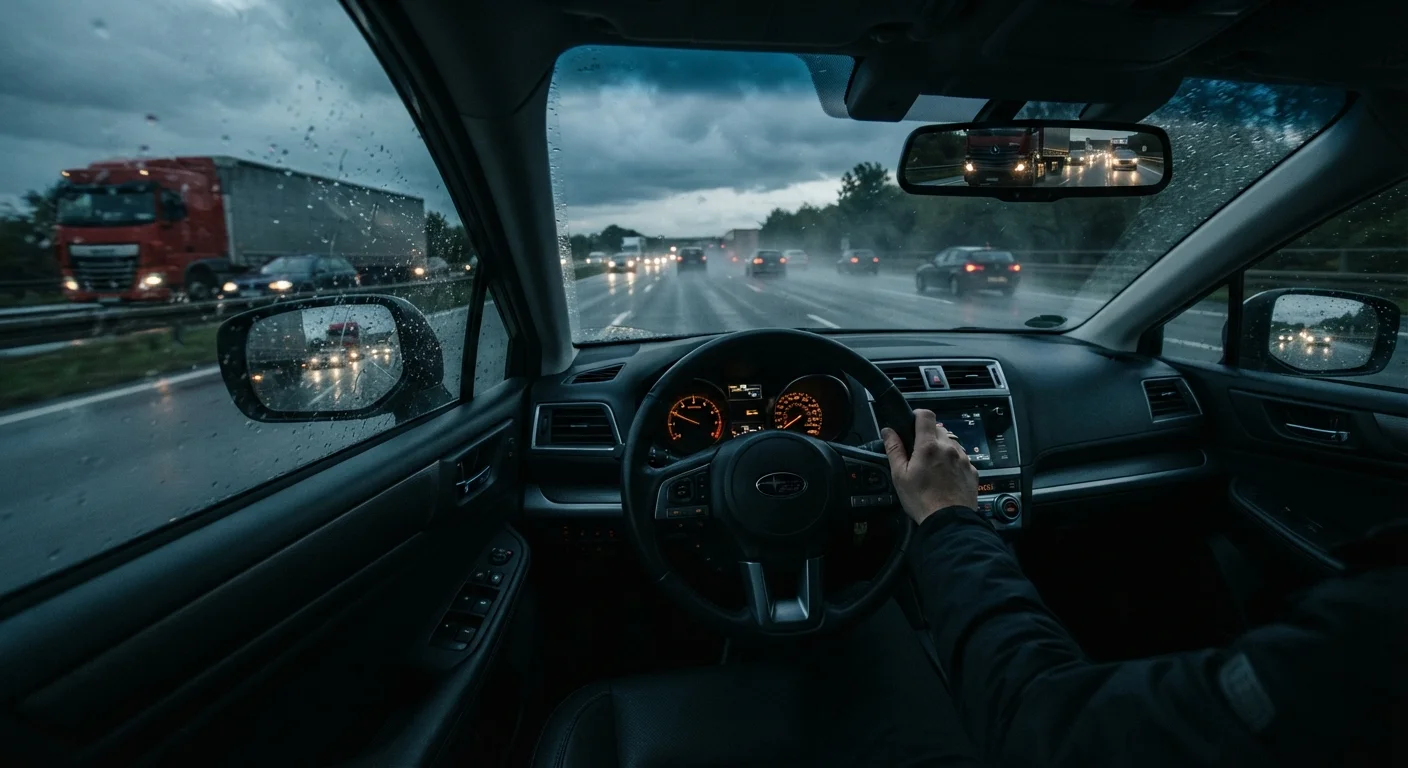
Mirrors work by reflecting what is behind and beside you - but reflection has limits. Your rearview mirror covers a relatively narrow center-rear corridor. Each side mirror, even when correctly positioned, covers a specific angle that still leaves a wedge of space unmonitored. These gaps are not the result of poor mirror design; they are a geometric reality of sitting inside a vehicle surrounded by structure.
The areas that consistently fall outside coverage are the rear-quarter zones - roughly alongside your rear doors and just past them. A vehicle traveling in the adjacent lane can sit entirely within this zone, invisible to your mirrors and outside your peripheral vision, for several seconds during a lane change. That is enough time for a collision.
Correct mirror adjustment matters enormously. Many drivers position their side mirrors to show the side of their own car - reassuring but redundant, since the rearview mirror already covers center-rear. The more effective approach angles each side mirror outward so adjacent lanes are visible without the car's own body dominating the frame. Even so, no adjustment eliminates the gap entirely. See our pre-trip safety walkthrough for a practical mirror-check routine to build into your habits.
How Vehicle Type Changes the Equation
Blind spot size is not fixed - it scales with the vehicle. A low sedan typically has a narrower rear-quarter blind zone than a tall SUV, because the A- and C-pillars are thinner relative to the overall viewing angle. However, sedans with steeply raked rear windows and thick pillars can have surprisingly large blind spots too.
Pickup trucks add another variable: the bed. Anything low enough to be hidden by the bed rail - a cyclist, a child, another car on a downhill - may not be visible in the mirrors or through the rear window. Full-size vans have an almost complete rear blind zone when there are no rear windows. If you drive a taller or longer vehicle, the physical head check before changing lanes or reversing matters even more.
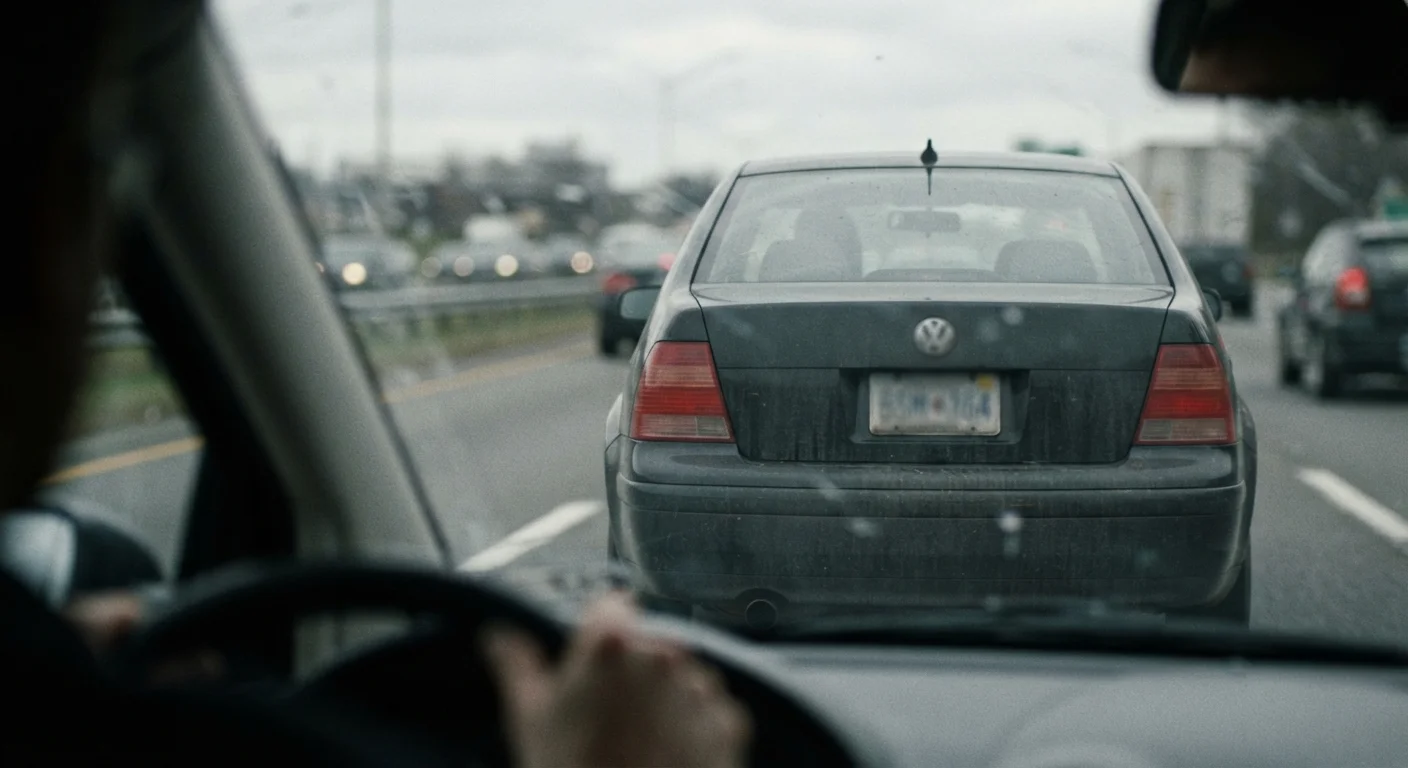
Commercial trucks present the most extreme case. A fully loaded semi can have blind spots extending up to 20 feet in front of the cab, 30 feet behind the trailer, and wide zones on both sides. If you cannot see a truck driver's mirror, they almost certainly cannot see you. This matters whether you are driving beside one or pulling into a lane ahead of one - a point explored further in our piece on following distance and reaction time.
Building the Habit: Mirrors Plus the Shoulder Check
The scan sequence that most driver training programs teach - signal, rearview mirror, side mirror, shoulder check - exists precisely because mirrors alone are insufficient. The shoulder check (a quick glance over the appropriate shoulder toward the rear quarter) directly addresses the gap that mirrors cannot fill. It takes less than a second and does not meaningfully compromise forward attention when done correctly.
Blind spot monitoring (BSM) systems, now common on newer vehicles, use radar or ultrasonic sensors to detect objects in adjacent zones and alert the driver with a light in or near the mirror housing. These systems genuinely help - particularly on highways during high-traffic lane changes. But they have limits: sensors can be obscured by dirt, ice, or heavy rain; fast-approaching motorcycles can sometimes be missed; and system response lag can occur at higher speed differentials. Treat BSM as a useful redundancy, not a replacement for the shoulder check.
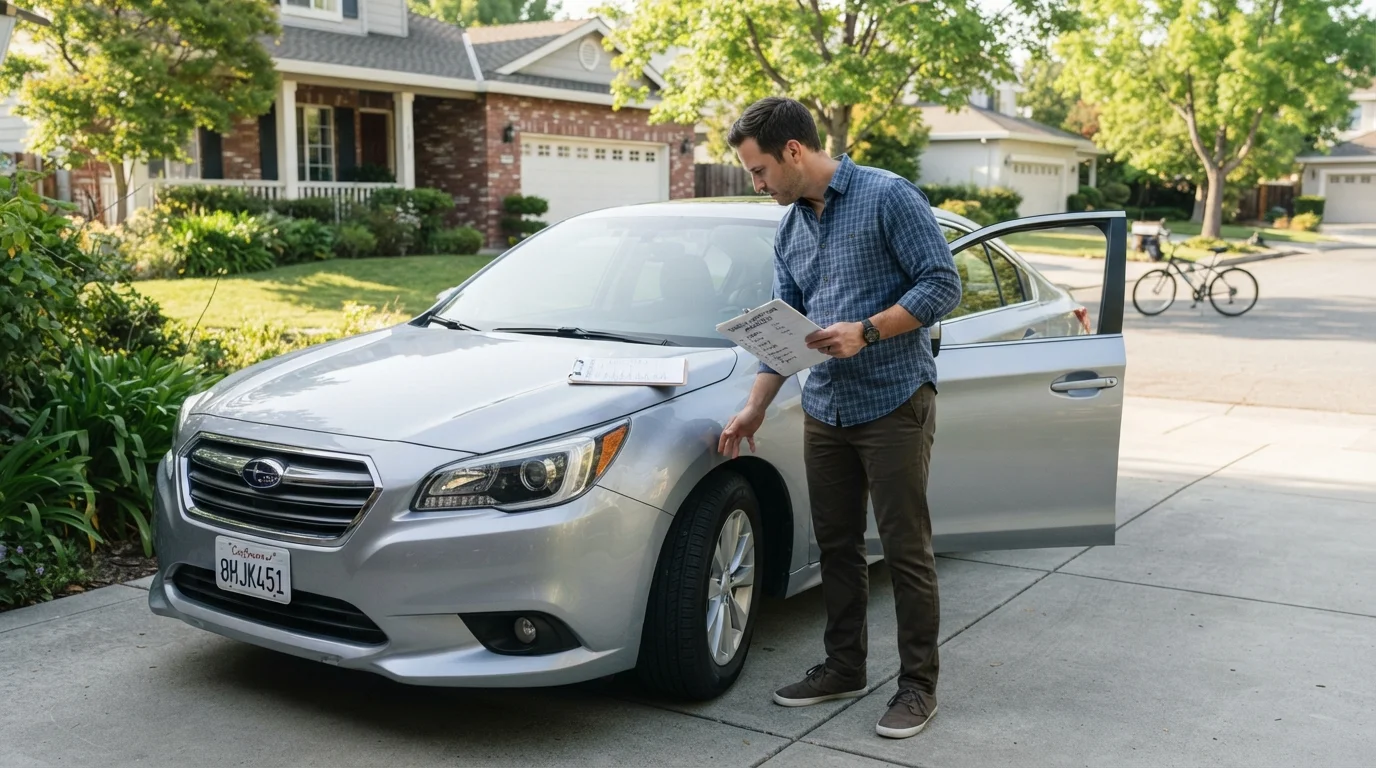
If you are new to driving or recently switched to a larger vehicle, take time to map your specific blind zones in a safe, empty area. Have someone walk around the car while you remain still with mirrors properly set - note exactly where they disappear from view. That mental map stays with you far more effectively than a general warning. For more foundational driving and vehicle awareness guidance, see what new drivers should know about their vehicle.
Situational Awareness Beyond the Lane Change
Blind spots are not only a lane-change hazard. Reversing out of a driveway or parking space creates a rear blind zone that mirrors and backup cameras both leave partially uncovered - particularly for pedestrians crossing behind a vehicle that is just starting to move. Intersection turns generate brief forward-quarter blind spots where A-pillars can obscure pedestrians, cyclists, or motorcycles approaching from the left or right.
Night driving compounds these risks: reduced ambient light shrinks what your mirrors reflect, and objects without reflective surfaces or lights become harder to detect even within the visible mirror field. Our article on night driving visibility covers the broader adjustments that help close that gap.
The consistent thread across all of these situations is the same: mirrors are a tool, not a complete solution. Understanding where your specific vehicle's gaps lie - and compensating with deliberate physical checks and disciplined scanning habits - is what separates a reactive driver from a prepared one.