The Fiber Gap: A Quiet but Widespread Shortfall
Dietary fiber rarely makes headlines the way protein or omega-3s do, yet research consistently identifies it as one of the most under-consumed nutrients in the American diet. Data from the National Health and Nutrition Examination Survey suggest average adult fiber intake hovers around 15 grams per day - roughly half what public health guidelines recommend.
This gap matters because fiber is not a passive bystander in the diet. It actively influences digestion, blood sugar regulation, cholesterol metabolism, and the composition of the gut microbiome. Understanding where the shortfall comes from - and where to make it up - doesn't require a complicated nutrition overhaul.
~15g
Average daily fiber intake for US adults
National Health and Nutrition Examination Survey data consistently shows average intake around 15 grams - well below recommended levels.
25-38g
Recommended daily fiber intake for adults
The Dietary Guidelines for Americans recommend 25g for women and 38g for men, with targets adjusted downward slightly after age 50.
95%
Share of Americans falling short of fiber targets
A 2017 analysis in the American Journal of Lifestyle Medicine described fiber as a 'shortfall nutrient,' with dietary data suggesting the vast majority of Americans do not meet recommendations.
What Fiber Actually Does in the Body
Soluble fiber dissolves in water to form a viscous gel in the gut. This slows the absorption of glucose, which helps moderate blood sugar responses after meals, and binds to bile acids, a mechanism linked to modest reductions in LDL (low-density lipoprotein) cholesterol. Foods like oats, barley, apples, and legumes are relatively rich in soluble fiber.
Insoluble fiber does not dissolve and adds physical bulk to stool, promoting more regular bowel movements and reducing time waste spends in the colon. Whole wheat, bran, and many vegetables are primary sources.
Beyond these mechanical roles, fermentable fibers - a subset of soluble fiber - serve as a food source for beneficial gut bacteria. The byproducts of that fermentation, known as short-chain fatty acids, appear to support the intestinal lining and may have broader metabolic effects that researchers continue to study. This is part of why fiber is central to eating patterns that nutrition research consistently connects to long-term health.
Fiber Research Is Evolving
While the association between higher fiber intake and better health outcomes is well established in population studies, researchers are still working out the precise mechanisms - particularly around the gut microbiome. Not all fiber types appear to have identical effects, and individual responses can vary depending on the composition of a person's existing gut bacteria. Current guidelines are based on the totality of available evidence, which continues to develop.
Why Ultra-Processed Diets Crowd Fiber Out
The primary structural reason most Americans fall short of fiber targets is the prevalence of ultra-processed foods in the diet. Refining grains - turning wheat into white flour, for example - strips away the bran and germ layers where most fiber resides. The result is a calorie-dense food with a fraction of the fiber of its whole counterpart.
When a large share of daily calories comes from refined bread, packaged snacks, sugary cereals, or fast food, fiber intake almost inevitably drops. This is one of the mechanisms described in discussions of common habits that quietly undermine an otherwise healthy diet.
Increase Fiber Gradually to Avoid Discomfort
Adding large amounts of fiber to the diet suddenly can cause bloating, gas, and cramping as gut bacteria adjust to the change. A more comfortable approach is to add one or two higher-fiber foods per week while also increasing fluid intake. Most people find their digestive system adapts within a few weeks.
Reliable Food Sources of Dietary Fiber
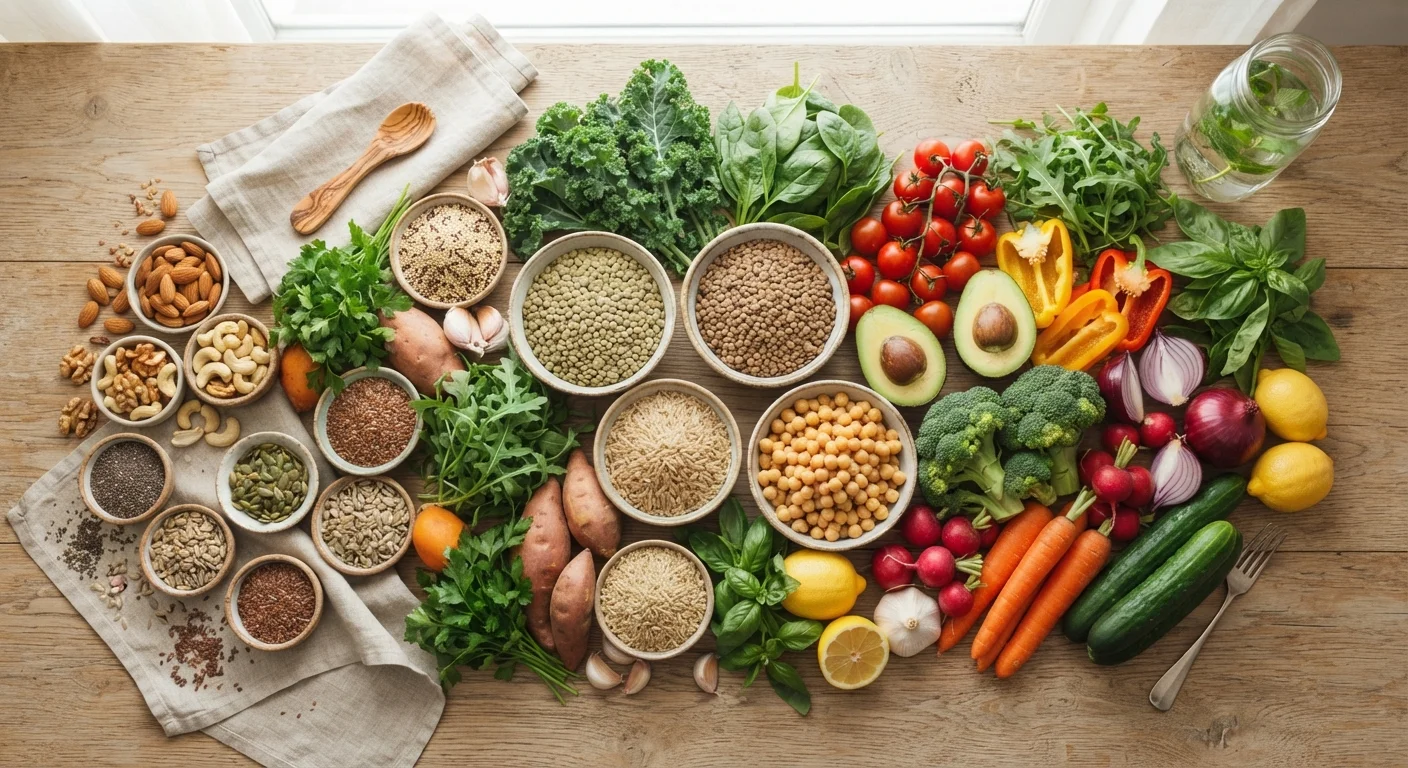
Fiber is found exclusively in plant foods. The most concentrated sources include:
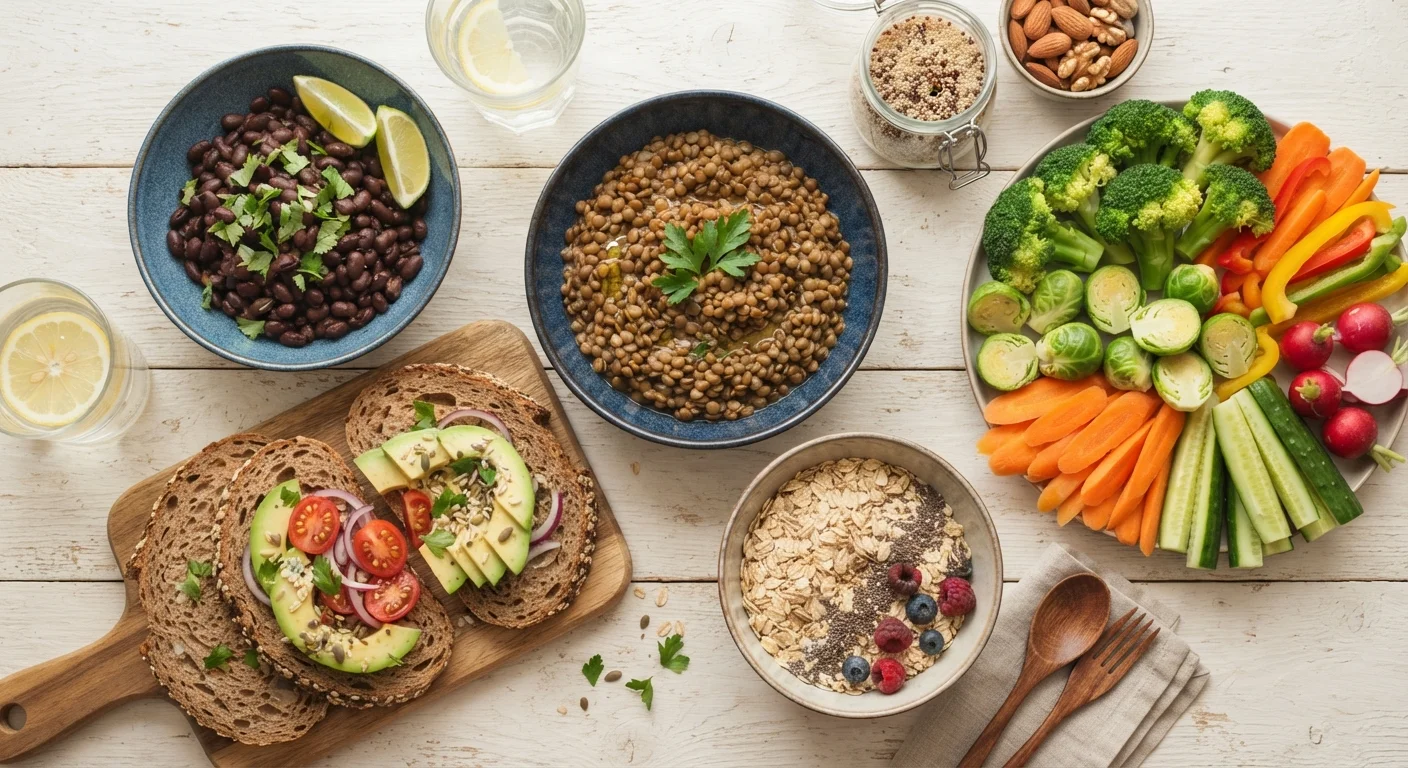
- Legumes: Lentils, black beans, chickpeas, and split peas each provide roughly 13-16 grams of fiber per cooked cup - making them among the most fiber-dense foods available.
- Whole grains: Oats, barley, bulgur, and whole wheat deliver both soluble and insoluble fiber. Switching from refined to whole grain versions of bread, pasta, and rice meaningfully increases daily intake.
- Vegetables: Artichokes, broccoli, Brussels sprouts, carrots, and leafy greens all contribute. Eating a variety ensures a broader mix of fiber types.
- Fruits: Raspberries, pears, apples (with skin), and avocados are particularly fiber-dense fruits. Whole fruit provides fiber that juice does not.
- Nuts and seeds: Almonds, chia seeds, and flaxseeds add meaningful fiber alongside healthy fats.
Those exploring plant-based eating will often find their fiber intake rises naturally, since plant foods form the diet's foundation.
Practical Strategies for Closing the Gap
Dramatic dietary overhauls are rarely sustainable. A more practical approach is to make incremental substitutions that add fiber without upending familiar eating habits. Swapping refined grains for whole grain versions, adding a handful of legumes to soups or salads, and choosing whole fruit over juice are low-friction changes that compound over time.
Increasing fiber gradually - rather than all at once - helps the digestive system adapt. Adequate water intake matters alongside fiber; without sufficient fluids, very high fiber intake can paradoxically worsen constipation rather than relieve it.
Fiber supplements (psyllium husk is among the most studied) can help bridge gaps, particularly for people with specific digestive conditions, but they are not a straightforward substitute for the full nutritional matrix that whole plant foods provide. It's worth being cautious of products marketed with dramatic fiber-related claims - the evidence base is often narrower than marketing suggests. For a grounded perspective, see our look at nutrition claims that science doesn't fully support.
This article is for general informational purposes only and does not constitute medical or dietary advice. Always consult a qualified healthcare professional before making significant changes to your diet, especially if you have a diagnosed digestive condition or other health concern.
“Dietary fiber is one of the most important yet most underappreciated components of the human diet. The evidence linking higher fiber intake to reduced risk of cardiovascular disease, type 2 diabetes, and colorectal cancer is among the most consistent in nutritional epidemiology.”
— Walter Willett, Professor of Epidemiology and Nutrition, Harvard T.H. Chan School of Public Health