What Makes a Plant 'Native' - and Why It Matters
A native plant is one that occurred naturally in a specific region before European settlement - not simply a plant that grows well in your area. This distinction matters because nativity is tied to ecology: native plants evolved alongside local insects, birds, soil microbes, and weather patterns over thousands of years.
That co-evolution is the core of the native plant argument. A native oak, for example, may support hundreds of caterpillar species that in turn feed nesting birds. A non-native ornamental tree of similar size might support very few. This web of relationships is what makes natives ecologically valuable beyond just their appearance.
Nativity is also inherently regional. A plant native to the Mid-Atlantic is not automatically native to the Pacific Northwest. Before purchasing, verify plant origin using your state's native plant society resources or your local Cooperative Extension service, both of which offer region-specific guidance.
The Real Advantages of Going Native
Once established, native plants tend to align with local rainfall patterns, reducing or eliminating the need for supplemental irrigation in many climates. They're adapted to local soil chemistry and rarely need synthetic fertilizers to thrive. For gardeners looking to reduce routine maintenance over time, that payoff is substantial.
Reduced water needs once established
Natives are adapted to local precipitation patterns, meaning many require little to no supplemental irrigation after their first year or two in the ground.
No fertilizer typically required
Because they evolved in local soils, most native plants thrive without synthetic fertilizers - simplifying care and reducing runoff into waterways.
Strong support for local pollinators
Native plants co-evolved with regional insects and birds, providing food sources and habitat that many non-native ornamentals cannot replicate.
Greater resilience to local pests and disease
While not immune, natives often have natural tolerances built up over millennia of exposure to regional insects and fungal pressures.
Long-term reduction in maintenance costs
Less watering, feeding, and pest management can translate to meaningful savings in time and money once plants reach maturity.
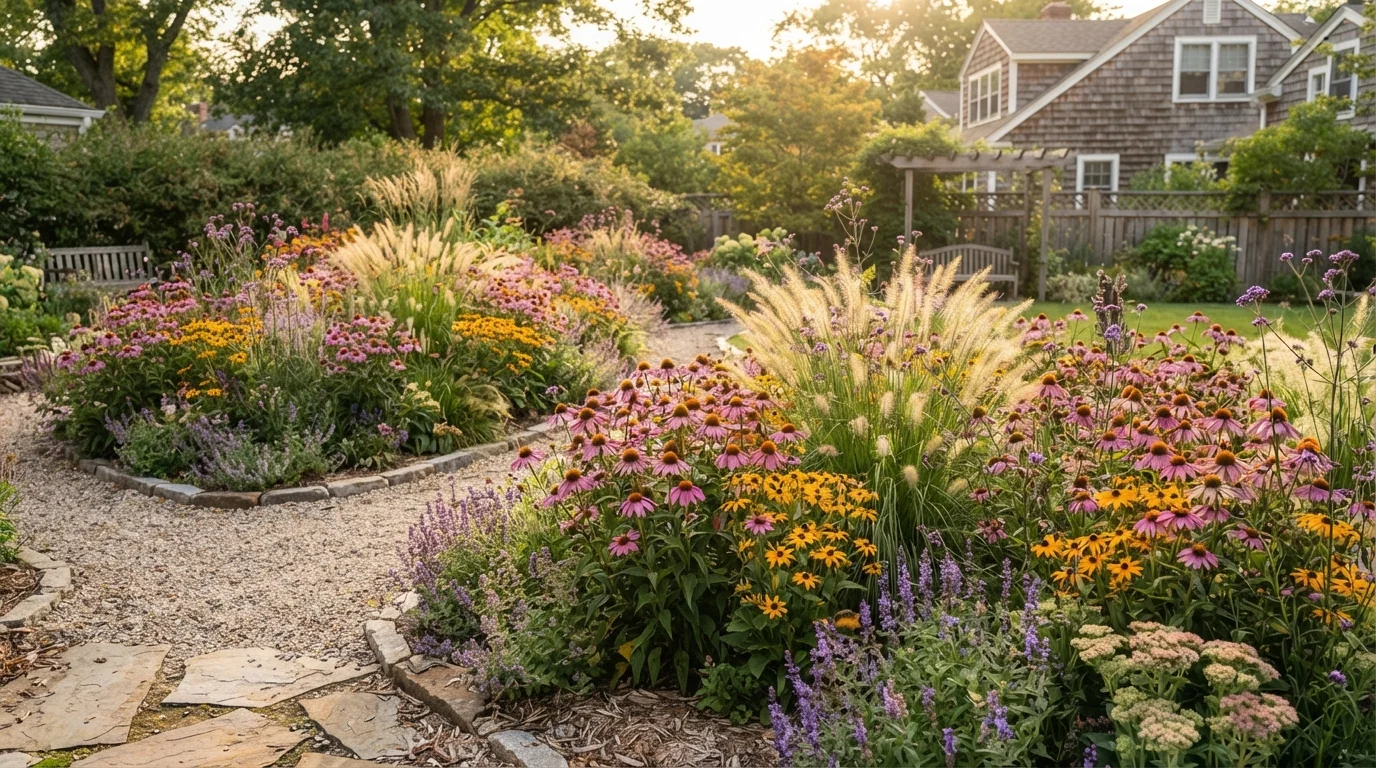
Natives also integrate naturally with the broader landscape. Because they've evolved with local pollinators - native bees, butterflies, and hummingbirds - they often provide food and habitat that cultivated ornamentals simply don't. If supporting local wildlife is a priority, natives are among the most direct ways to do it. You might also explore strategic plant combinations that amplify these benefits.
Limitations Worth Knowing Before You Plant
The most common disappointment with native plants comes from underestimating the establishment period. During their first one to three seasons, many natives look sparse, grow slowly, or require more watering than expected. The old saying - 'first year sleeps, second year creeps, third year leaps' - describes this accurately. Gardeners expecting instant results often give up too early.
Slow, demanding establishment period
Most natives require consistent watering and care for one to three seasons before becoming self-sufficient - a phase that often surprises new gardeners.
Limited availability at mainstream nurseries
Locally appropriate native species may be stocked only at specialty nurseries, native plant sales, or by mail order, making sourcing more effortful.
Appearance can seem informal or weedy
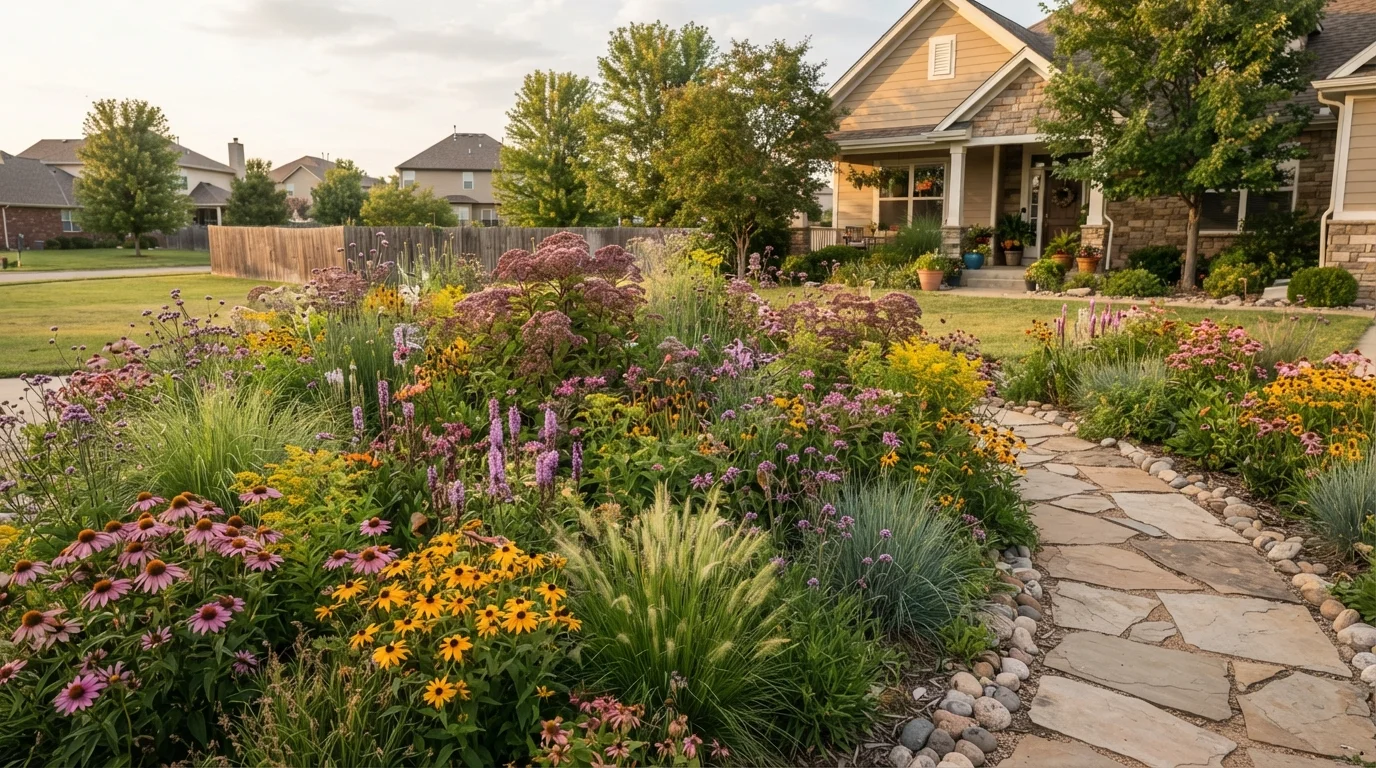
Native meadow plants and grasses often don't conform to traditional manicured lawn aesthetics, which can be a friction point in neighborhoods with HOA rules.
Region-specific selection is essential
A plant native to one part of the country may be completely unsuited - or even invasive - in another region, requiring careful homework before purchase.
Some natives spread aggressively
Species like wild bergamot or goldenrod can spread beyond their intended area if not managed, requiring periodic editing to keep the garden in balance.
Availability is another real constraint. Locally appropriate natives may be harder to find than common nursery stock, and mislabeled plants are not uncommon. Cultivars (nursery-bred varieties of native species) may offer better availability and showier blooms, but can sometimes provide fewer ecological benefits than straight species - though research on this is still evolving.
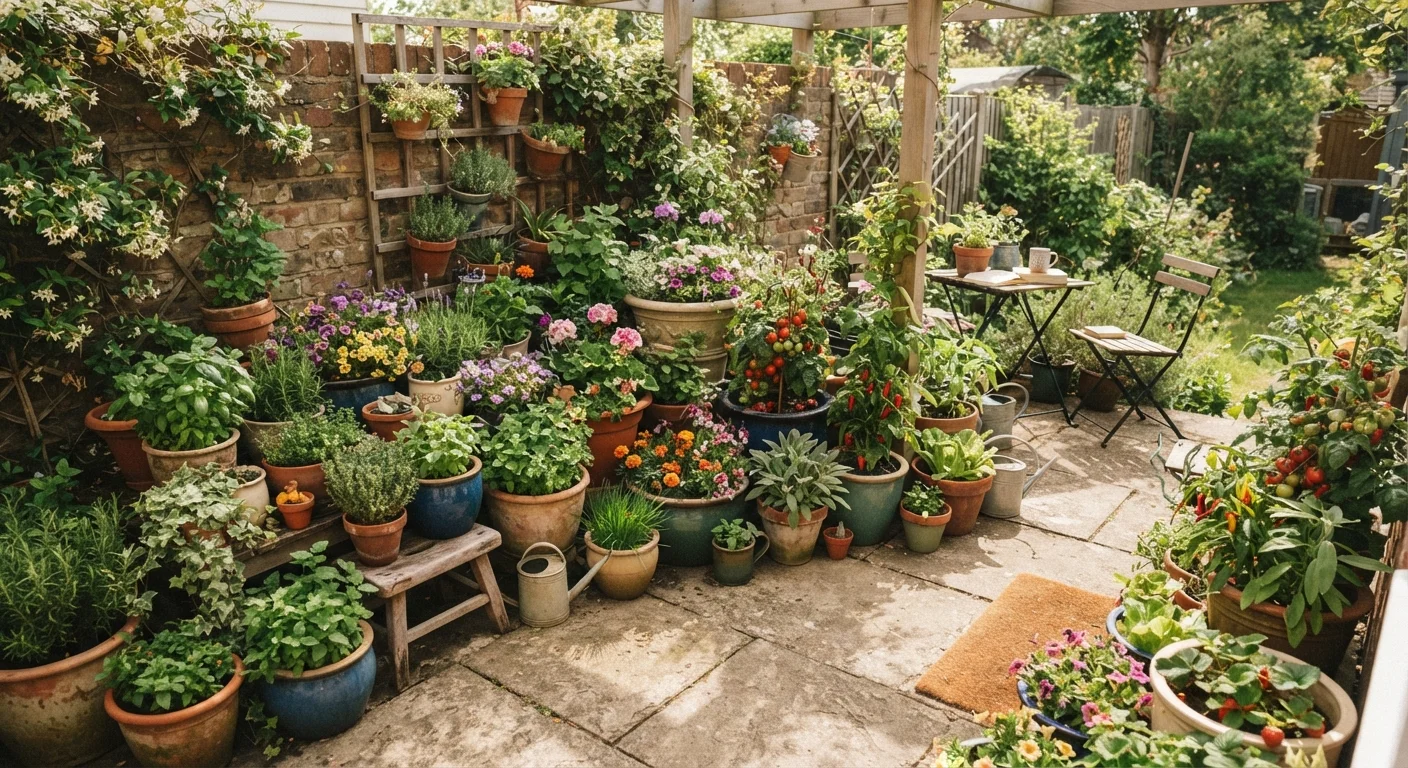
Finally, not every native plant is low-maintenance. Some spread aggressively, require specific drainage conditions, or look weedy during part of their seasonal cycle. Knowing what a plant looks like in winter or at the end of its bloom period is important for managing expectations. For gardeners working with compact spaces, container strategies may offer more control over plant behavior.
Setting Realistic Expectations for Your Yard
A fully native landscape is one option, but a mixed approach is often more practical. Combining natives with non-invasive, ecologically neutral plants gives you more design flexibility while still capturing the environmental benefits of natives where they count most - in pollinator beds, rain gardens, or woodland edges.
Check Cultivar Labels Carefully
Many plants sold as 'native' at nurseries are actually cultivars - selectively bred varieties that may look different from wild species. Some cultivars retain full ecological value; others have been bred in ways that reduce pollen availability or alter leaf chemistry. When in doubt, look for plants labeled as 'straight species' or consult your local native plant society for guidance on cultivar suitability in your region.
For gardeners who want reliable seasonal color without frequent replanting, many native perennials perform exceptionally well alongside traditional garden staples. See our guide to low-maintenance perennials for options that complement native plantings. If you're deciding whether to plant in raised beds or directly in the ground, weighing those tradeoffs is a useful next step - especially when working with native plants that prefer undisturbed root systems.
~4,000
Native bee species in the United States
The USDA estimates approximately 4,000 native bee species exist in the U.S., many of which depend on specific native plant genera for food and nesting.
1-3 years
Typical native plant establishment period
Horticulture extension programs across the U.S. commonly cite a one-to-three-year window before most natives become reliably self-sustaining.