How the Two Approaches Actually Work
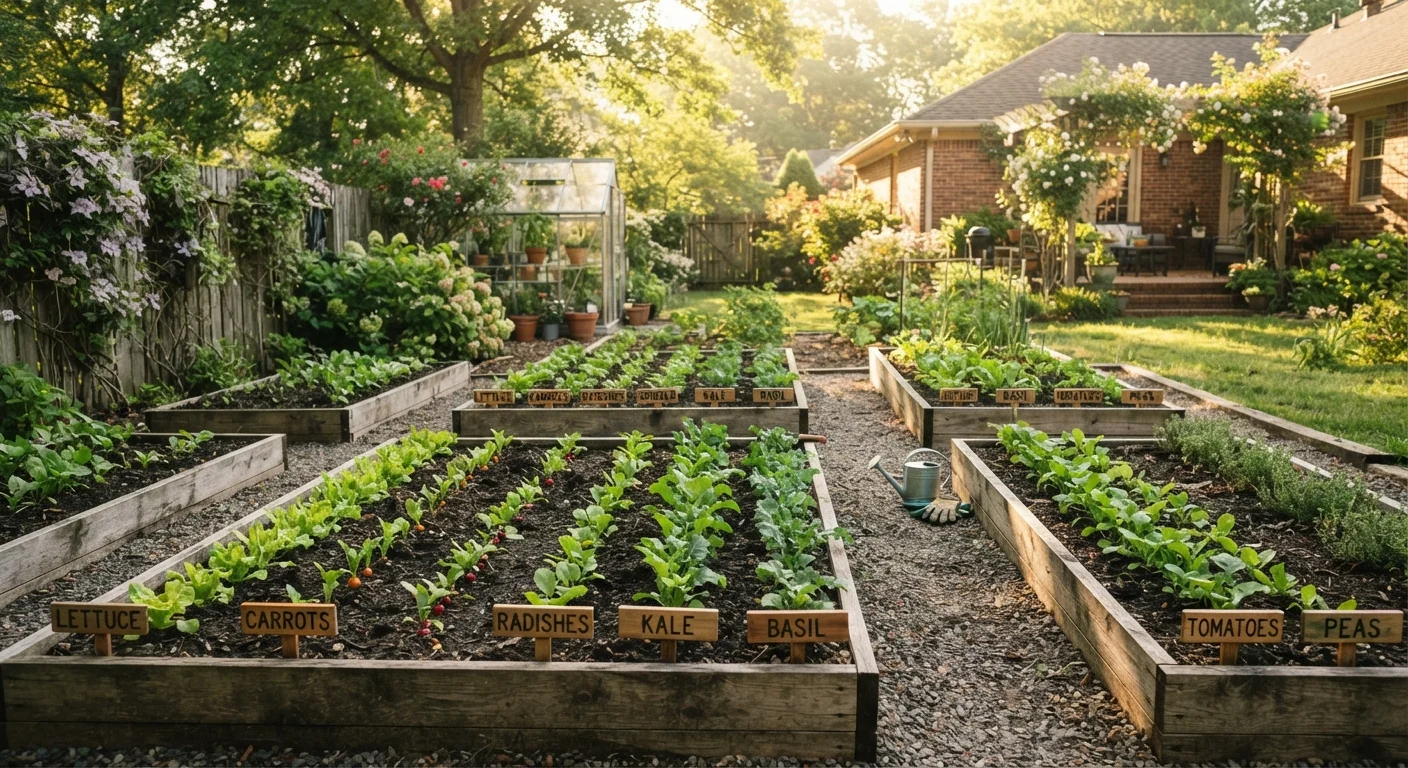
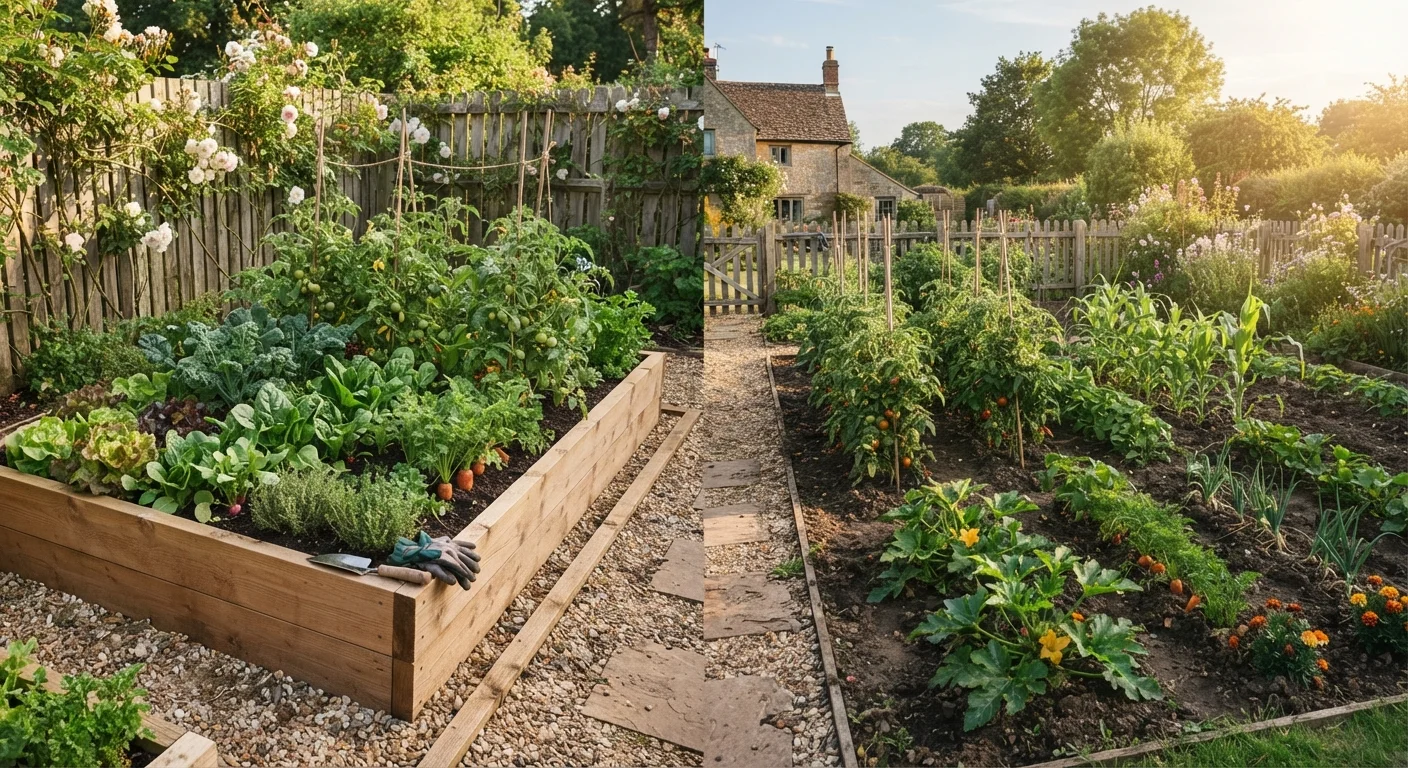
Raised beds are contained growing areas - typically framed with wood, metal, or composite materials - filled with a custom soil mix above ground level. In-ground planting means working directly with your yard's existing soil, amending it as needed and growing in place.
Each approach shapes almost every gardening decision that follows: how you water, what you can grow, how much weeding you'll face, and how much upkeep the garden demands season to season. If you're building your first garden from the ground up, our guide to starting a vegetable garden from scratch covers the planning fundamentals that apply to either method.
| Criterion | Raised Beds | In-Ground Planting |
|---|---|---|
| Upfront cost | Higher (materials + fill soil) | Lower (uses existing soil) |
| Soil control | Complete - you choose the mix | Limited to native soil + amendments |
| Drainage | Excellent by default | Varies with site and soil type |
| Weed pressure | Generally lower | Generally higher |
| Spring warm-up speed | Faster - soil heats earlier | Slower in cold climates |
| Scalability | Moderate - each bed adds cost | High - easy to expand |
| Deep-rooted crop suitability | Limited by bed depth | Unlimited root depth |
| Accessibility / ergonomics | Better - less bending required | Requires kneeling or bending |
| Long-term soil health | Requires regular topping up | Can improve over time with compost |
Soil, Cost, and Setup Effort
The most immediate difference between the two is what you're starting with. Raised beds require you to source and purchase a growing medium - typically a blend of topsoil, compost, and an aerating material like perlite or aged wood chips. That means upfront material and labor costs that can add up quickly depending on bed size.
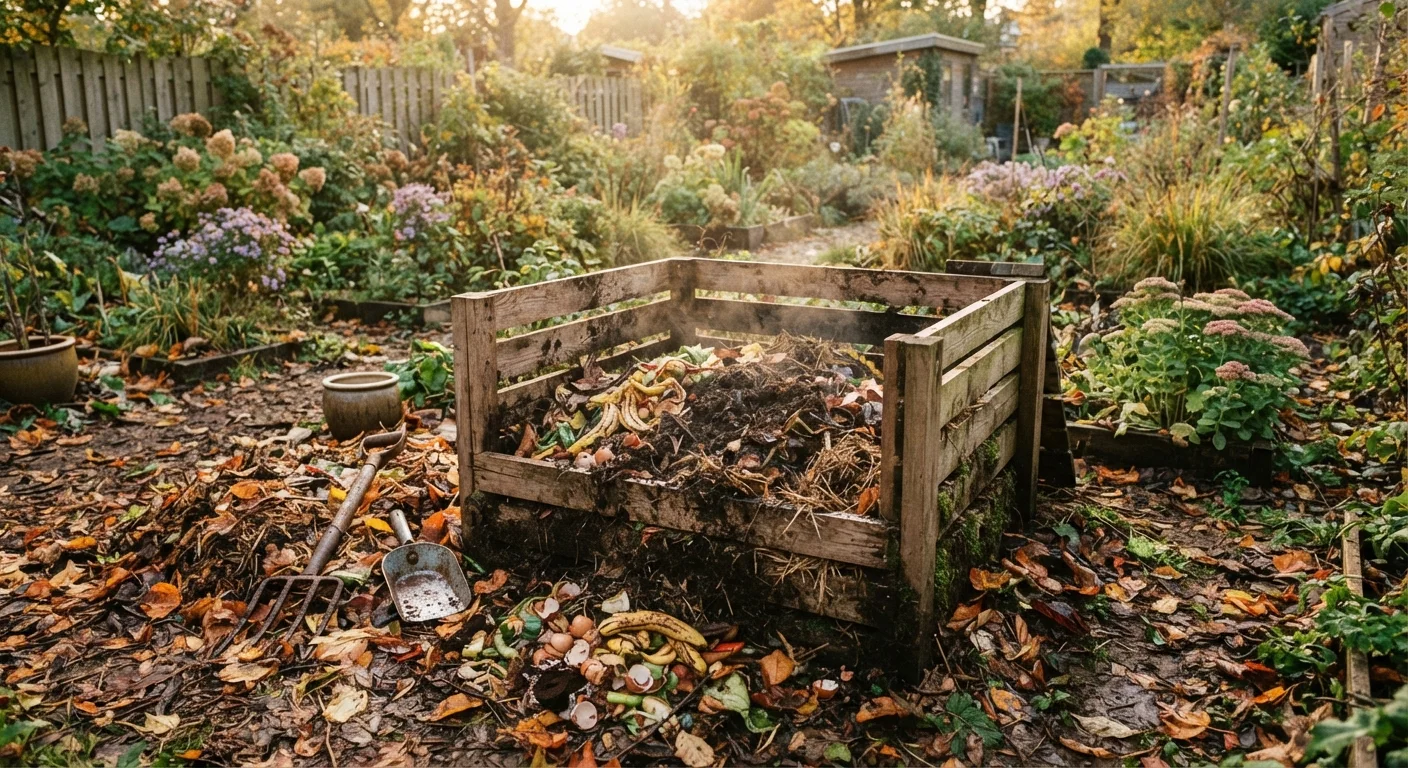
In-ground gardens use what's already there. If your native soil is loamy and well-draining, this is a genuine advantage. If it's heavy clay, hardpan, or depleted - you'll still need to invest in amendments, tilling, and potentially years of soil-building. Good compost helps either way; our composting guide explains how to build and use it effectively.
6-12 inches
Typical raised bed depth for most vegetables
Most vegetable root systems need at least 6 inches of quality growing medium; root crops like carrots benefit from 12 or more.
~10°F
How much warmer raised bed soil can run in spring
Raised beds can warm up earlier than in-ground soil due to improved drainage and airflow, potentially extending the planting window.
4×8 ft
Common raised bed footprint for home gardens
A 4-foot width allows gardeners to reach the center from either side without stepping in - a practical standard used widely among home gardeners.
Raised beds sidestep the soil-improvement timeline by giving you a ready-to-plant environment in the first season. That speed matters, especially if your in-ground soil needs significant remediation.
Weed Control, Pest Pressure, and Drainage
Raised beds have a practical edge for weed management. A layer of landscape fabric or cardboard beneath the bed blocks most persistent weeds from migrating up, and the contained boundaries make it easier to spot and pull what does appear. In-ground gardens are more porous to weed encroachment - particularly from lawn grasses that can creep into borders if not actively managed.
Pest dynamics differ too. Slugs, voles, and soil-dwelling insects have open access to in-ground plantings. Raised beds - especially those with hardware cloth liners on the bottom - can limit some of this pressure, though they're far from pest-proof. Above-ground height does add a minor deterrent for crawling pests.
Soil Volume and Moisture Retention
Raised beds dry out faster than in-ground soil precisely because drainage is so effective. In hot, dry climates or during summer heat, this means more frequent watering is often needed. Incorporating compost or coir into your bed mix can help retain moisture without compromising drainage. Monitor soil moisture regularly, especially in smaller beds where the volume of growing medium is limited.
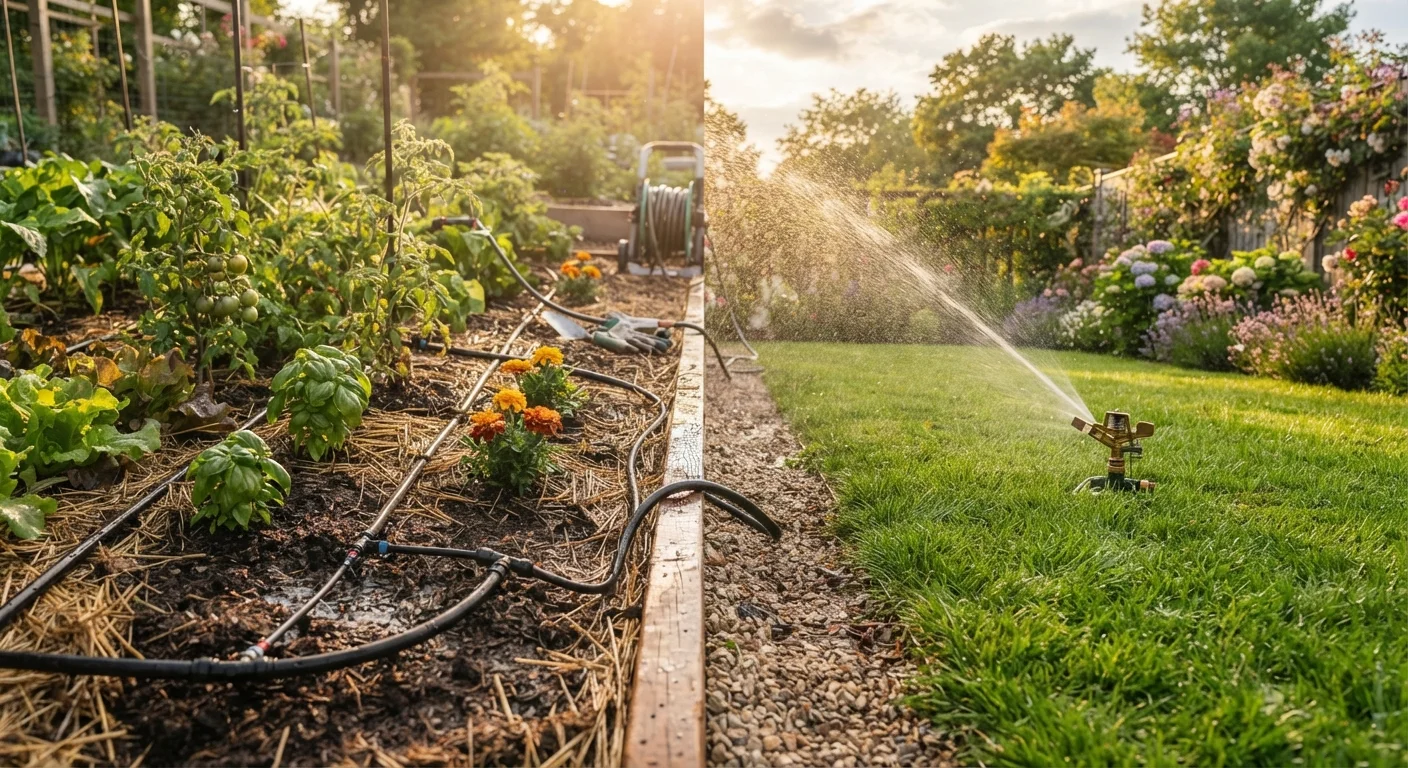
Drainage is where raised beds shine most consistently. The elevated soil profile allows excess water to move away from roots more freely, making overwatering and root rot less common. In-ground beds in low spots or clay-heavy yards can suffer from waterlogging after heavy rain. How you water matters in both cases - see our comparison of drip irrigation vs. sprinkler systems to find the right fit for your garden layout.
Choosing Based on Your Plants and Space
Plant selection should factor into your decision. Raised beds work well for compact, high-yield crops: lettuce, herbs, radishes, carrots, bush beans, and most brassicas. Crops that spread aggressively - pumpkins, watermelon, indeterminate tomatoes - can outgrow a standard 4×8 bed quickly, making in-ground or very large raised structures more practical.
Spacing strategies like companion planting work in both settings but can be especially efficient in raised beds, where you can plan dense combinations in a contained zone. In-ground gardens give you room to experiment with wider polycultures and row planting at scale.
For gardeners working with genuinely limited outdoor space, container gardening on a small patio is a third option worth considering alongside raised beds. And if you're drawn to lower-maintenance long-term plantings, native plants tend to establish well in both raised and in-ground contexts once conditions match their needs.
Neither method is universally superior. The best garden is the one matched to your specific soil, space, physical capacity, and what you actually want to grow - and both approaches can produce excellent results with consistent care.