Choosing the Right Location
The single most consequential decision for a new vegetable garden is where you put it. Before you break ground or buy a single seed, spend several days observing your yard at different times of day.
Most vegetables - especially fruiting crops like tomatoes, peppers, and squash - need a minimum of six hours of direct sunlight each day. Leafy greens are more forgiving, tolerating three to four hours, but they still prefer brighter spots. Pick the sunniest area you have.
Also consider proximity to water. You will water frequently, especially during dry stretches, so a spot close to an outdoor spigot or rain barrel reduces the effort significantly. Avoid low-lying areas where water pools after rain, which can lead to root rot. Good drainage is non-negotiable.
No Yard? You Still Have Options
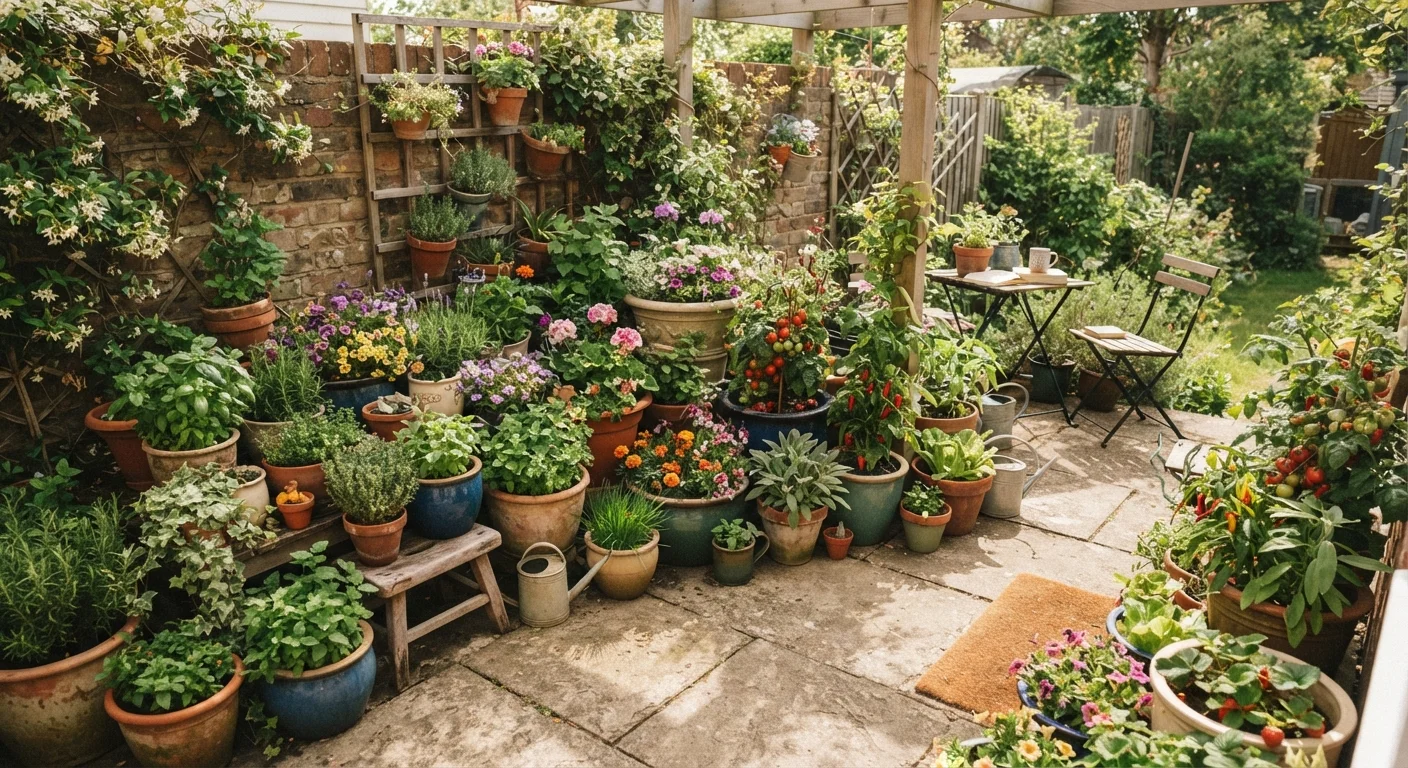
A traditional in-ground vegetable garden is not the only path. Containers, window boxes, and community garden plots are all viable alternatives if your outdoor space is limited or unsuitable. Many vegetables - including herbs, lettuce, and cherry tomatoes - do remarkably well in containers on a balcony or patio.
If your yard is heavily shaded or entirely paved, container gardening is a practical alternative. See our guide to container gardening on a small patio for tips on making the most of limited space.
Planning Your Garden Layout
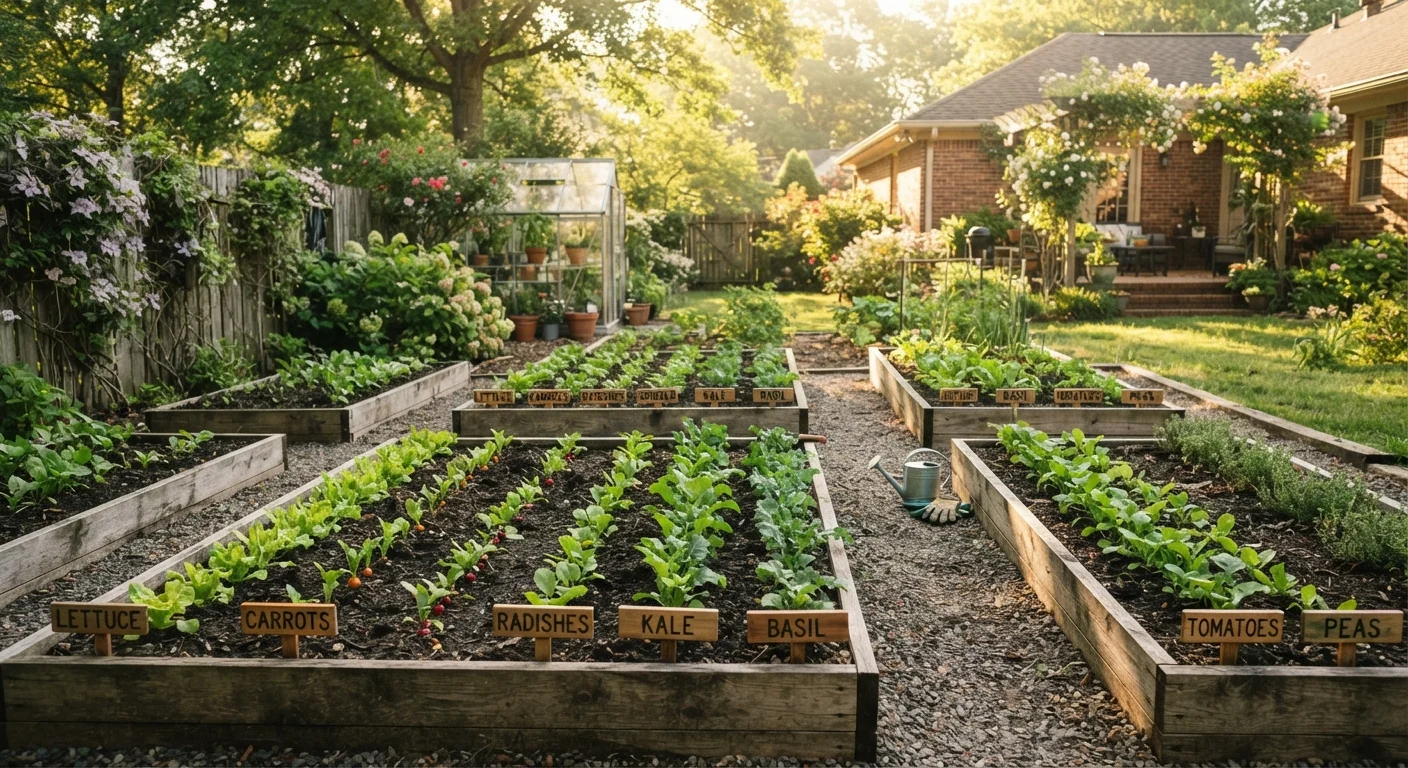
Resist the urge to go big your first season. A 4×8 foot plot is the standard recommendation for first-time gardeners - large enough to grow a genuine variety of vegetables, small enough to manage without burnout.
Sketch your layout on paper before you dig. Group plants with similar water and light needs together. Tall crops like pole beans or corn should go on the north side of the bed so they do not shade shorter neighbors. Leave walking paths at least 18 inches wide so you can reach every part of the bed without compacting the soil.
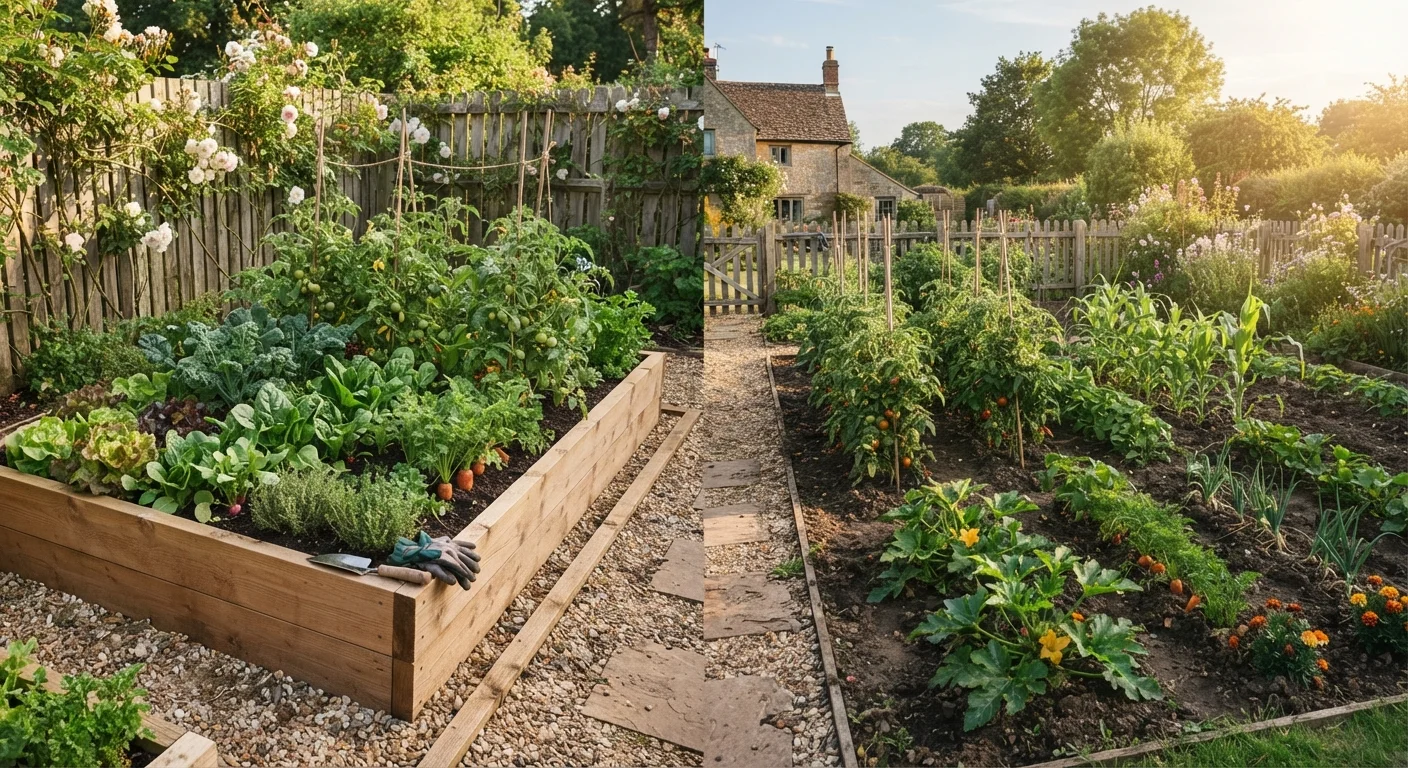
Decide early whether you want an in-ground garden or raised beds. Both are valid, and each has real tradeoffs in cost, effort, and long-term maintenance. Our in-depth comparison of raised beds vs. in-ground planting walks through the decision in detail.
Frost date
The average date on which your area experiences its last spring freeze or first fall freeze. Knowing your frost dates helps you time planting so tender plants are not killed by cold.
pH
A scale measuring how acidic or alkaline your soil is, running from 0 (most acidic) to 14 (most alkaline). Most vegetables prefer a slightly acidic range of 6.0-7.0.
Organic matter
Decomposed plant and animal material - like compost or aged manure - mixed into soil to improve its structure, drainage, and nutrient content.
Direct sowing
Planting seeds directly into the garden bed rather than starting them indoors and transplanting later. Works best for crops that do not like their roots disturbed.
Transplant
A young seedling started indoors or in a greenhouse, then moved to the garden bed when it is sturdy enough. Common for crops with long growing seasons, like tomatoes.
Mulch
A layer of material - straw, wood chips, or shredded leaves - spread on top of soil to retain moisture, regulate temperature, and suppress weeds.
Preparing and Improving Your Soil
Healthy soil is the foundation of a productive garden. Before planting, take time to understand and improve what you have.
Start by loosening the top 10-12 inches of soil with a garden fork or tiller, breaking up any compacted clumps. Remove rocks, roots, and debris as you go. Then assess the texture: ideal garden soil feels crumbly and dark, not sticky clay or loose sand.
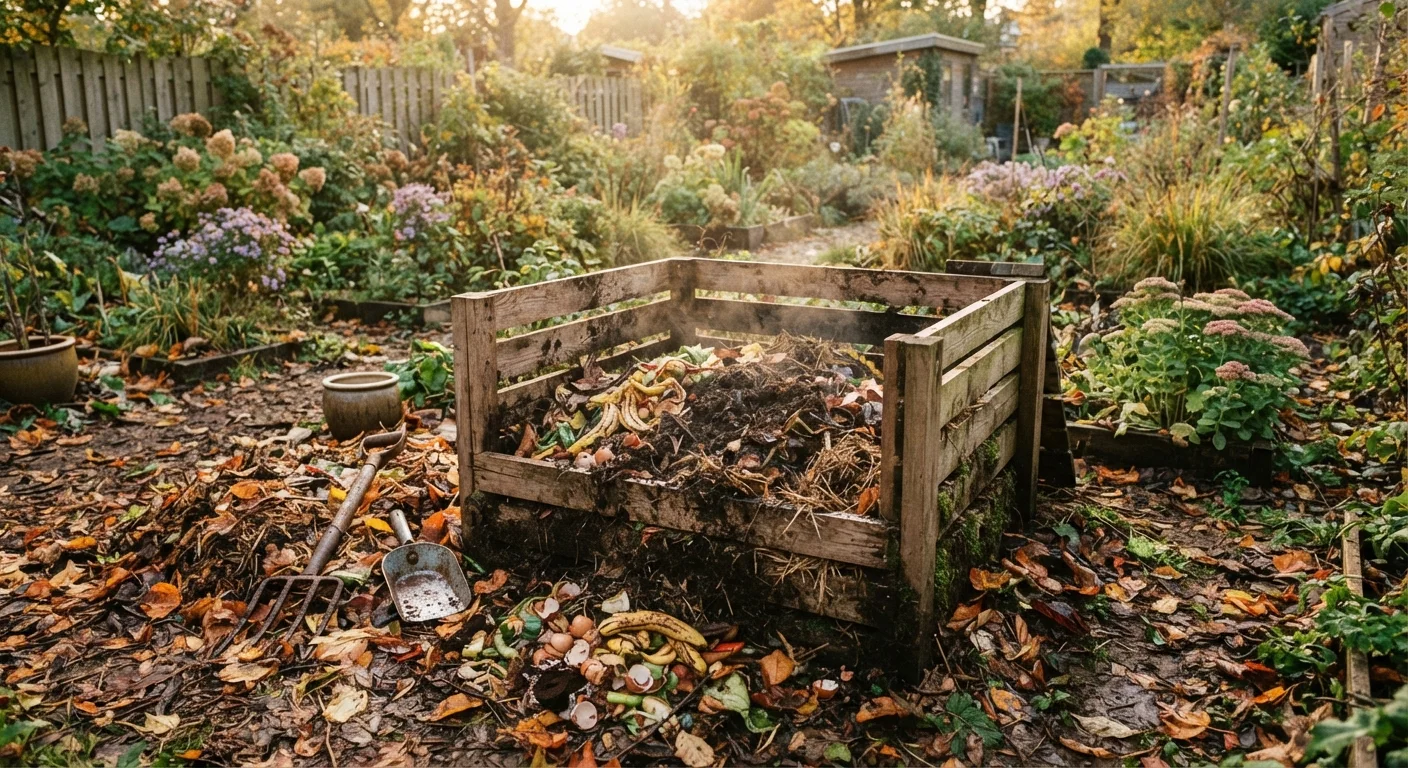
Adding organic matter is the most reliable way to improve almost any soil type. Mix in two to four inches of compost, aged manure, or leaf mold and work it into the loosened soil. This improves drainage in clay soils and helps sandy soils retain moisture. If you are new to composting, our complete guide to composting at home covers how to make and apply your own.
Consider a simple soil pH test - available at most garden centers - before planting. Most vegetables thrive in a pH range of 6.0 to 7.0. If your soil is too acidic, ground limestone can raise the pH; if too alkaline, elemental sulfur can lower it.
Improve Sandy or Clay Soil Quickly
If your native soil is very sandy or dense clay, do not try to fix it in one season - it takes time. Focus on adding two to four inches of compost each season and your soil structure will steadily improve. For immediate results, consider building a raised bed and filling it with a blended garden mix.
Selecting and Planting Your Vegetables
Choose crops you actually want to eat, then narrow that list to varieties suited to your climate and the time of year. Your local cooperative extension service publishes planting calendars based on your region's frost dates - a reliable, free resource worth bookmarking.
Start with a mix of fast growers and slow producers:
- Fast (under 40 days): Radishes, arugula, baby lettuce, spinach
- Mid-season (40-70 days): Bush beans, beets, Swiss chard, summer squash
- Slow (70+ days): Tomatoes, peppers, winter squash, eggplant
Some crops grow best directly sown into the ground from seed (carrots, beans, peas), while others benefit from being transplanted as seedlings (tomatoes, peppers). Seed packets and transplant tags list the right method and planting depth for each variety - read them carefully.
Plant at the recommended spacing. Crowded plants compete for nutrients and airflow, increasing disease risk. When in doubt, err on the side of more space.
Ongoing Care and Maintenance
Once your plants are in the ground, consistent attention makes the difference between a struggling garden and a thriving one. The good news: most routine tasks take only 15-20 minutes a few times per week.
Watering: Aim for one inch of water per week, delivered slowly at soil level - not overhead. Drip irrigation or a soaker hose conserves water and keeps foliage dry, which reduces fungal disease. Water in the morning when possible.
Weeding: Tackle weeds when they are young and easy to pull. A two-to-three-inch layer of straw mulch between plants suppresses most weeds and helps retain soil moisture at the same time.
Feeding: If you worked compost into the soil before planting, many crops will not need supplemental fertilizer. Heavy feeders like tomatoes and corn may benefit from a balanced fertilizer mid-season; follow label directions carefully.
Pest monitoring: Check plants regularly for chewed leaves, discoloration, or unusual spots. Catching problems early gives you the most options - many pests can be managed by hand-picking or a strong spray of water before they establish.
As the season winds down, plan ahead: our guide to fall yard prep before the first frost covers how to close out your garden beds and set yourself up for an even better season next year.
Avoid Overwatering New Seedlings
More new gardeners lose plants to overwatering than to drought. Soggy soil deprives roots of oxygen and encourages rot and fungal disease. Before watering, push a finger an inch into the soil - if it still feels moist, wait another day before watering again.