The Core Difference
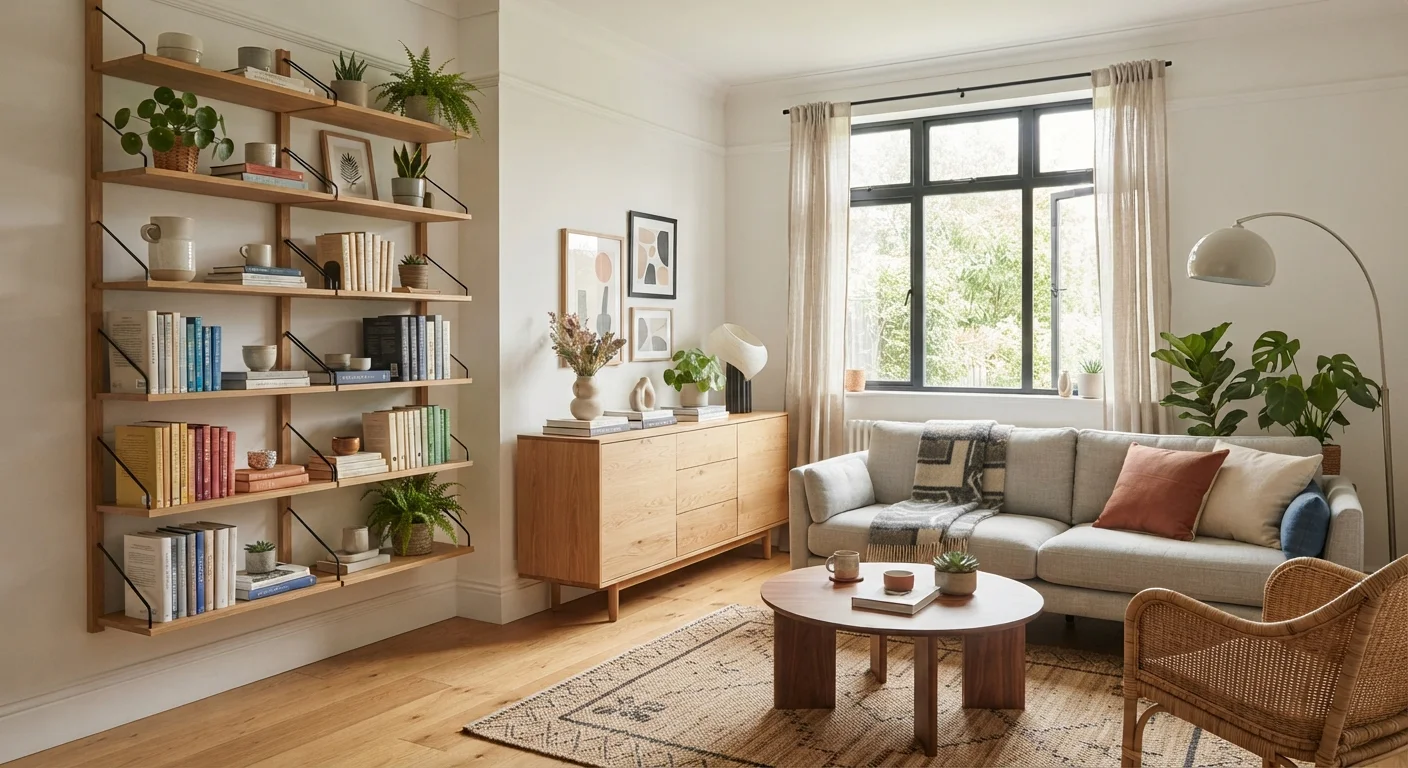
Storage planning comes down to one practical question: do you have more room going up, or going out? Vertical storage uses wall height - tall shelving units, wall-mounted racks, and cabinets that stack items upward. Horizontal storage spreads across surfaces and floor space - under-bed bins, wide credenzas, low countertop organizers, and storage benches. Neither approach is universally better. The right choice depends on your room's dimensions, the types of items you're storing, and how often you need to reach them. In most well-organized homes, the most functional spaces use both strategies in deliberate combination rather than defaulting to one.
| Criterion | Vertical Storage | Horizontal Storage |
|---|---|---|
| Primary axis | Uses wall height | Uses floor and surface width |
| Floor space impact | Frees up floor area | Occupies floor or surface area |
| Item accessibility | Upper shelves require reaching | Items easy to access at all levels |
| Best room types | Small, narrow, or utility rooms | Larger rooms and open-plan spaces |
| Typical installation | Often requires wall anchoring | Usually freestanding, minimal setup |
| Ideal item types | Less-frequently accessed items | Daily-use and frequently accessed items |
| Visual effect | Draws the eye upward, adds perceived height | Grounds the space, adds visual width |
Where Vertical Storage Shines
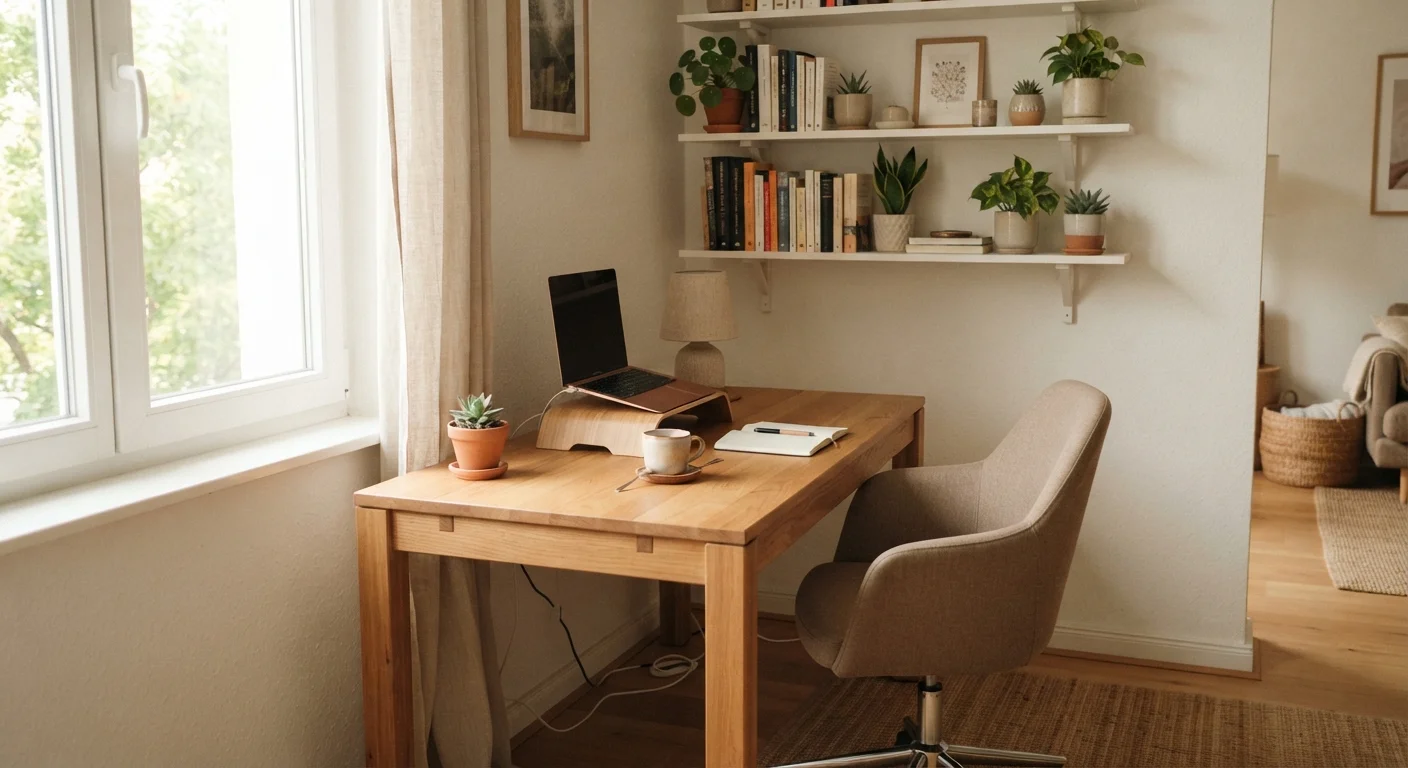
Vertical storage's primary advantage is freeing up floor space by using the dimension most rooms leave untapped: height. In a narrow kitchen, a tall pantry cabinet holds far more than a row of low shelves would, without encroaching on counter or walking space. In a home office, wall-mounted shelving keeps reference materials and supplies accessible without eating into desk surface - a key principle when organizing a home office for focus and function.
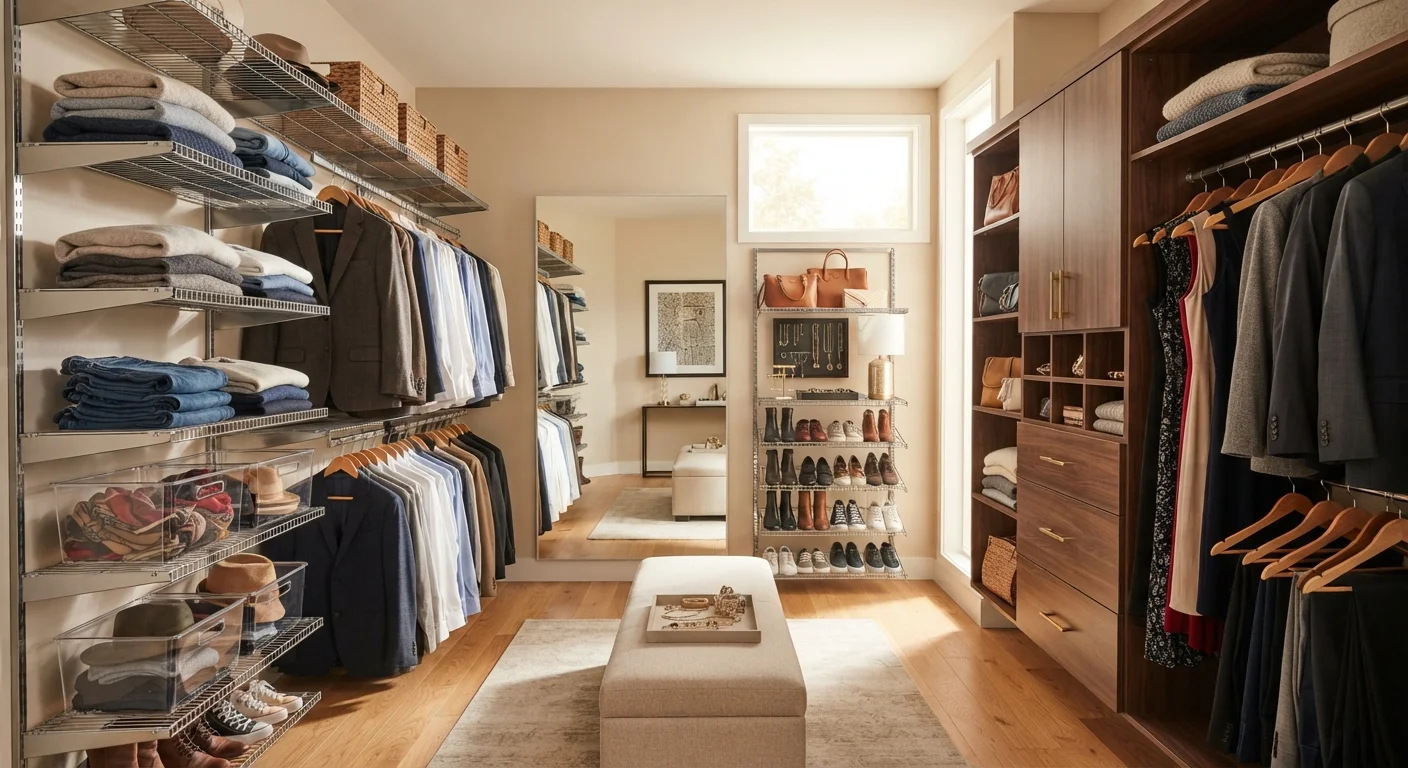
Garages are among the clearest cases for vertical thinking. Pegboards, wall-mounted tool racks, and overhead ceiling storage let a standard garage hold tools, seasonal gear, and sports equipment without blocking the floor. The same logic applies in laundry rooms, where wall-mounted shelving above the washer and dryer converts a cramped utility space into a properly functional one. In closets, tall shelving systems - whether modular or built-in - can dramatically increase usable capacity. Our comparison of modular and built-in closet systems covers how to choose the right framework.
Always Anchor Tall Freestanding Units
Any freestanding vertical storage unit taller than roughly 30 inches carries a tipping risk, especially in homes with children or pets. Most units include anti-tip hardware in the box - install it. When anchoring into drywall, locate wall studs for a secure hold. If you're unsure which fasteners suit your wall type, a hardware professional or qualified handyman can help you choose correctly before you load the unit with weight.
Where Horizontal Storage Holds Its Own
Horizontal storage works best when accessibility matters more than raw space efficiency. Items you reach for daily - kitchen countertop organizers, bathroom trays, entryway catch-alls - benefit from a layout where everything is visible and within reach without climbing or bending awkwardly.
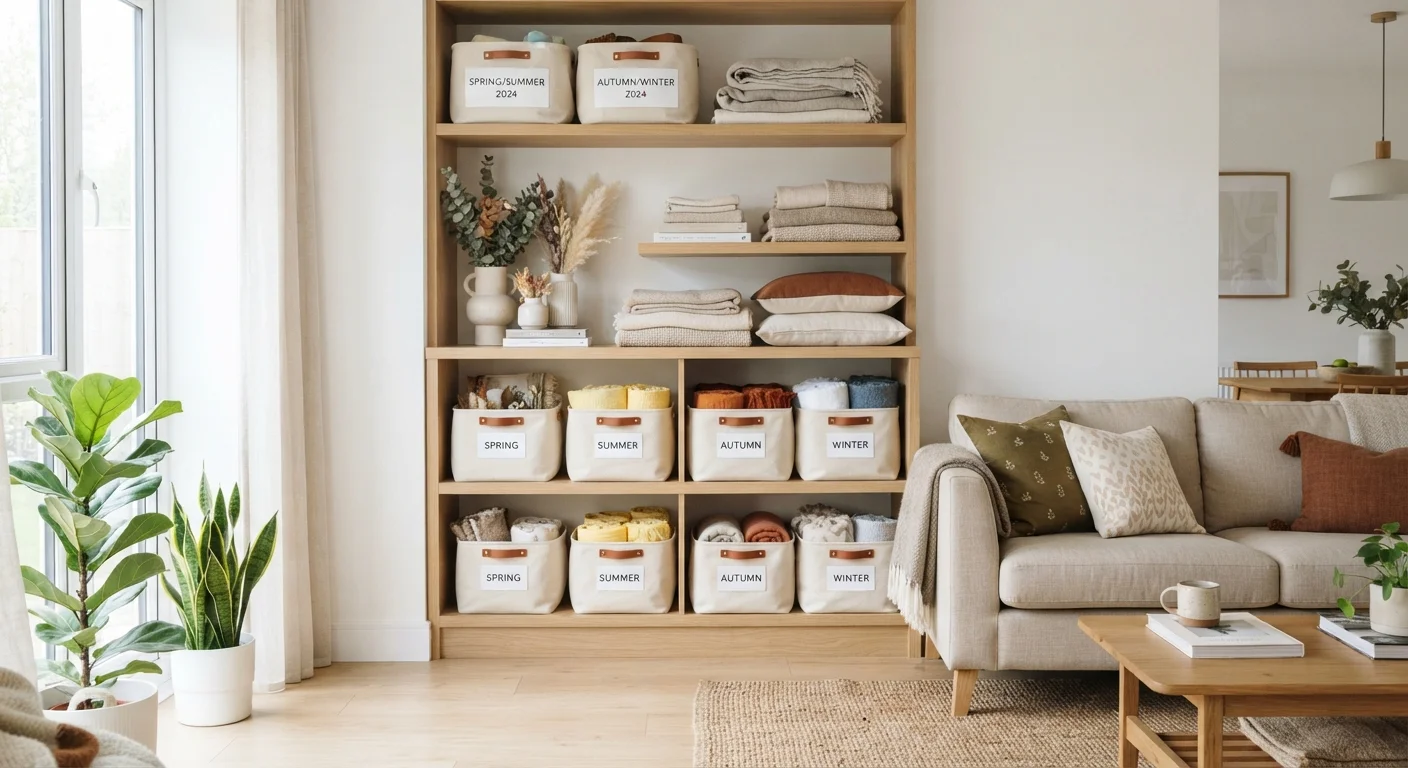
Wide, low storage also suits items that don't stack well: bulky bedding, large serving dishes, or garden tools that tip when stored upright. Under-bed storage containers are a reliable horizontal solution that turns otherwise idle space into practical seasonal storage - and they work well when paired with a seasonal decluttering routine to keep what's stored there from accumulating unchecked. Mudrooms and entryways also tend toward horizontal organization - storage benches, cubbies, and low shelving create a functional landing zone for bags, shoes, and outerwear. In living rooms, horizontal media consoles and sideboards ground a space visually while keeping everyday items within arm's reach.
Matching the Approach to the Room
Rather than committing entirely to one method, consider the specific constraints and habits within each space. In small homes or apartments, vertical storage is often the more efficient default - walls are free real estate that floor-bound furniture cannot occupy. Our guide on smart storage for compact homes explores how layering both approaches can work even when square footage is tight.
In larger rooms, horizontal cabinetry - sideboards, window seats with storage, built-in benches - can define zones without the visual weight of tall units. Kitchens and pantries often work best as hybrids: vertical shelves for dry goods and rarely used cookware, horizontal drawers for daily utensils and tools. Bathrooms follow similar logic - wall-mounted vertical storage for towels and toiletries, a horizontal vanity surface for daily-use essentials.
The question isn't which approach wins overall - it's which wins in each specific spot. Pairing the right method to each room's dimensions and use patterns is what makes a storage system feel intuitive rather than forced. For those also considering how items are displayed, our piece on open shelving vs. closed cabinets addresses how visibility and concealment factor into the broader decision.