Why This Decision Matters More Than It Looks
Storage decisions shape how a room feels and functions every single day. Open shelves and closed cabinets aren't just aesthetic choices - they affect how much dust accumulates, how easy cleanup is, how organized a space stays, and even how welcome guests feel in your home.
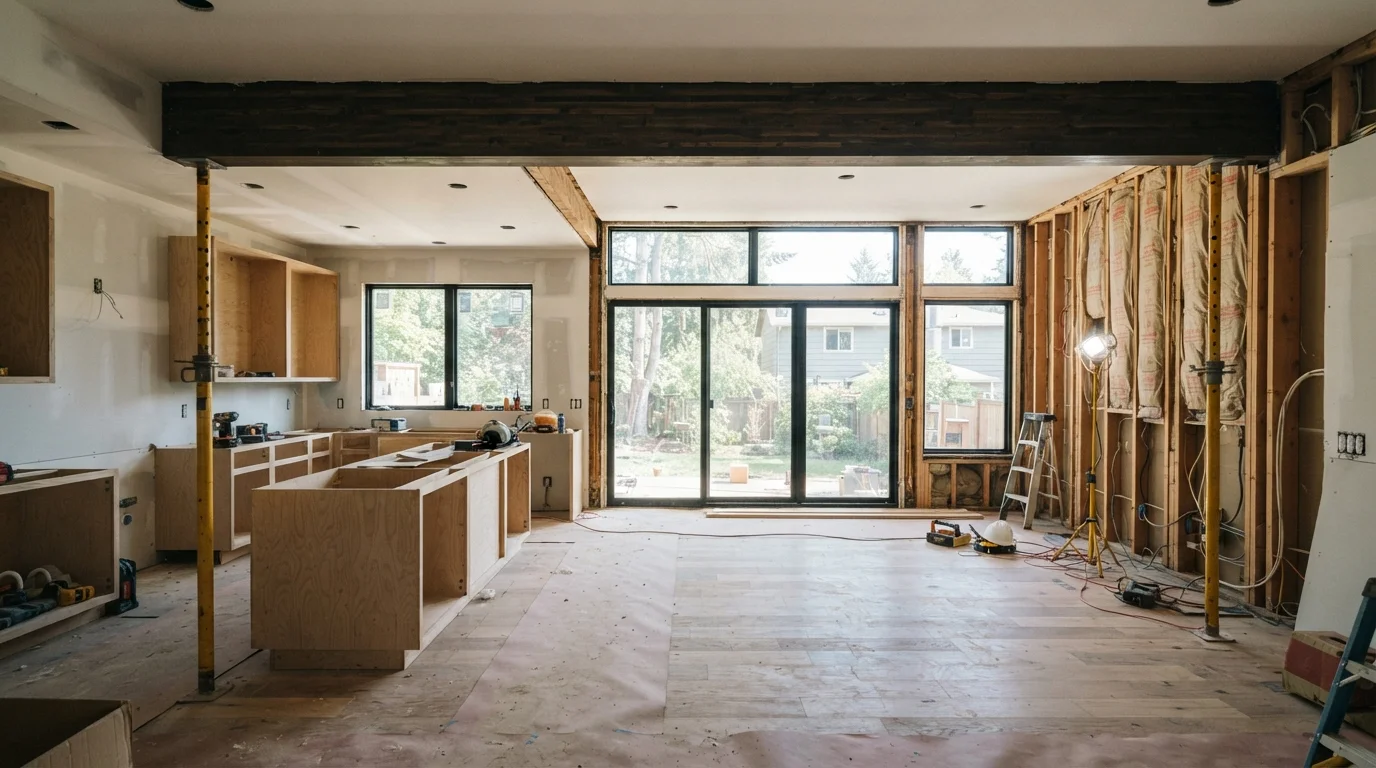
Kitchen and living spaces in particular carry the full weight of this choice. A beautifully styled shelf of ceramics in a magazine photo looks effortless; in a working kitchen with cooking steam and daily use, that same shelf needs real maintenance to stay presentable. Understanding both sides before committing helps you avoid a costly or frustrating reversal later. For broader context on how layout decisions affect your home's function, see our piece on open-plan renovations.
The Case for Open Shelving
Open shelving has genuine advantages worth considering - particularly in smaller rooms where visual weight matters.
Makes small rooms feel more open and airy
Removing cabinet doors eliminates visual bulk, which can make a kitchen or living area feel noticeably larger - especially beneficial in rooms under 150 square feet.
Items are immediately visible and accessible
No doors to open means faster retrieval of frequently used items, which can streamline meal prep and daily routines.
Generally lower installation cost than full cabinetry
Simple bracket shelving or floating shelves require fewer materials and less labor than building and hanging full cabinet boxes with doors and hardware.
Encourages intentional, curated storage habits
Because everything is on display, many people find they keep only what they use and actually like - reducing unnecessary clutter over time.
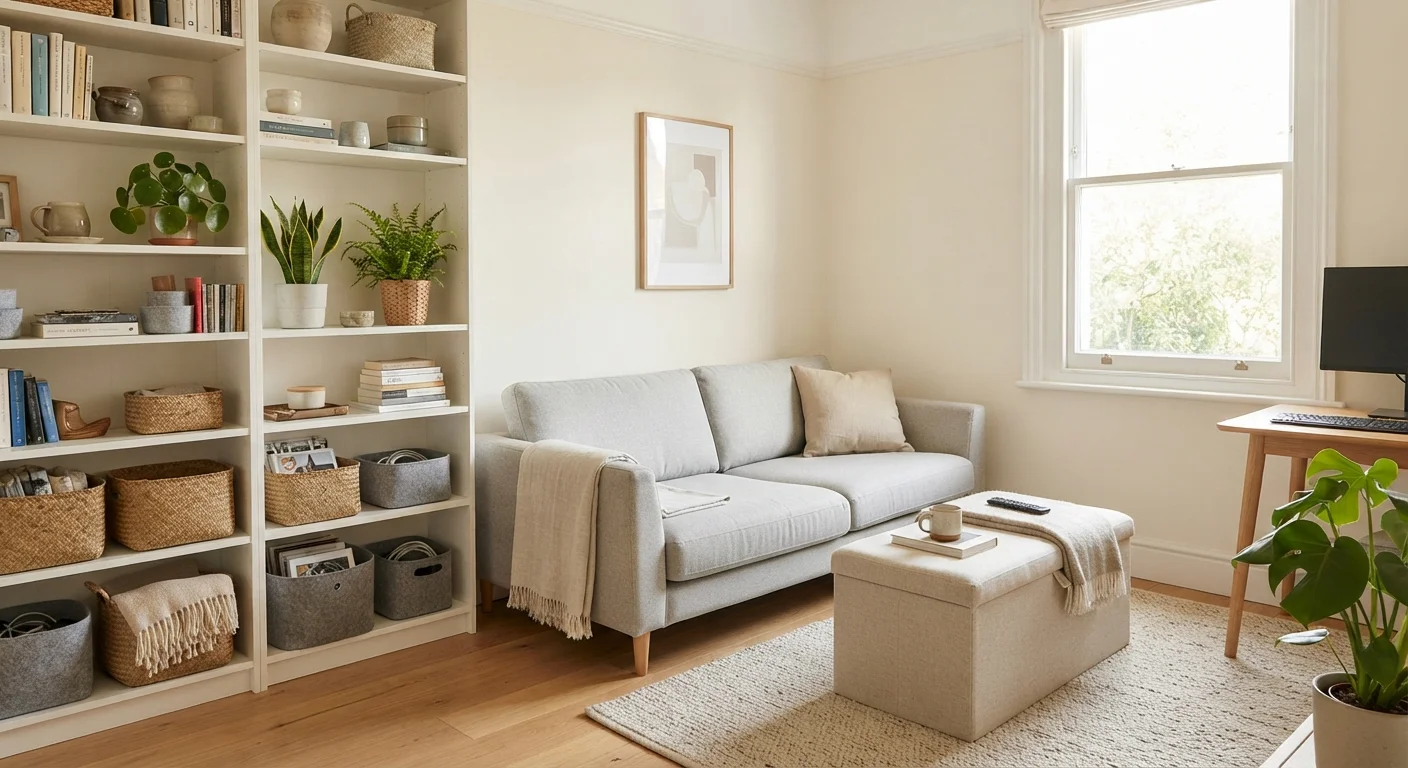
In compact kitchens or living areas, removing cabinet doors can make a space feel less boxed-in. Items are immediately visible and reachable, which reduces the time spent hunting for what you need. Open shelves also tend to cost less to install than full cabinetry, making them a practical option for budget-conscious renovations. For more strategies suited to limited square footage, our guide on smart storage for compact homes covers complementary approaches.
The Case for Closed Cabinets
Closed cabinets remain the dominant storage choice in US homes for practical reasons that hold up over time.
Dust, grease, and grime accumulate quickly
In kitchens especially, cooking residue settles on open surfaces within days. Items stored openly require more frequent washing than those kept behind closed doors.
Demands consistent tidiness to look intentional
An open shelf that isn't carefully maintained looks chaotic rather than curated. Households with varied schedules or multiple occupants often find this hard to sustain.
Less flexible about what you can store visibly
Mismatched containers, bulk goods, and everyday utilitarian items are difficult to store on open shelves without the space looking disorganized.
Can increase visual noise in busy rooms
Too many items on display - even neatly arranged - can make a space feel stimulating rather than restful, which works against a calm, functional environment.
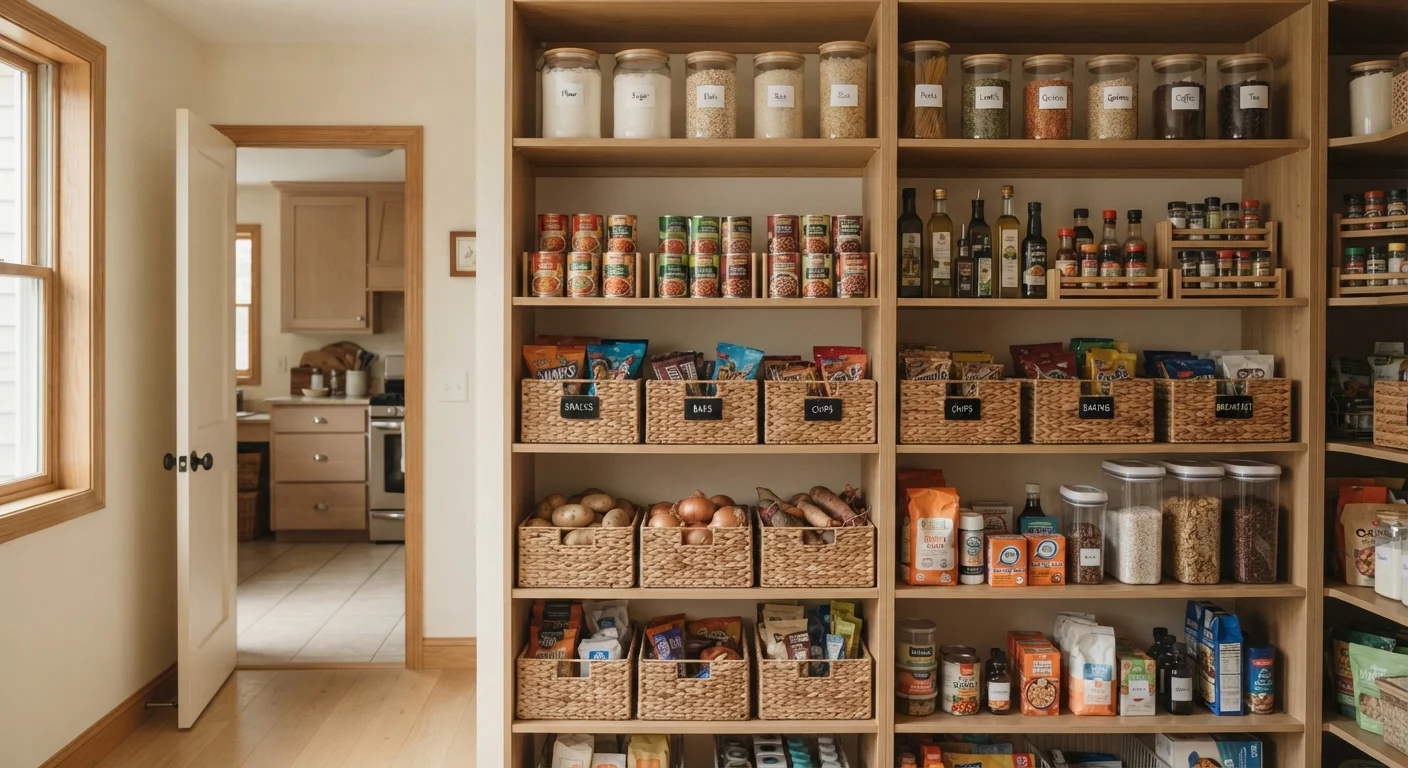
Beyond dust and grease protection, closed cabinets reduce the mental load of keeping things tidy. When a door closes, visual disorder disappears - a significant benefit in high-traffic households. They also offer more flexibility with what you store: mismatched containers, bulk goods, and utilitarian items that aren't photogenic all belong behind a door. If you're weighing how to build out a pantry specifically, our kitchen pantry organization guide outlines structural approaches that stay functional long-term.
Finding the Right Balance for Your Home
Most homes benefit from a thoughtful combination rather than an all-or-nothing commitment. A practical starting point: reserve open shelving for items you genuinely use daily and that look reasonably consistent - everyday mugs, a few cookbooks, a set of matching jars. Use closed cabinets for everything else.
Hybrid Layouts: A Practical Middle Ground
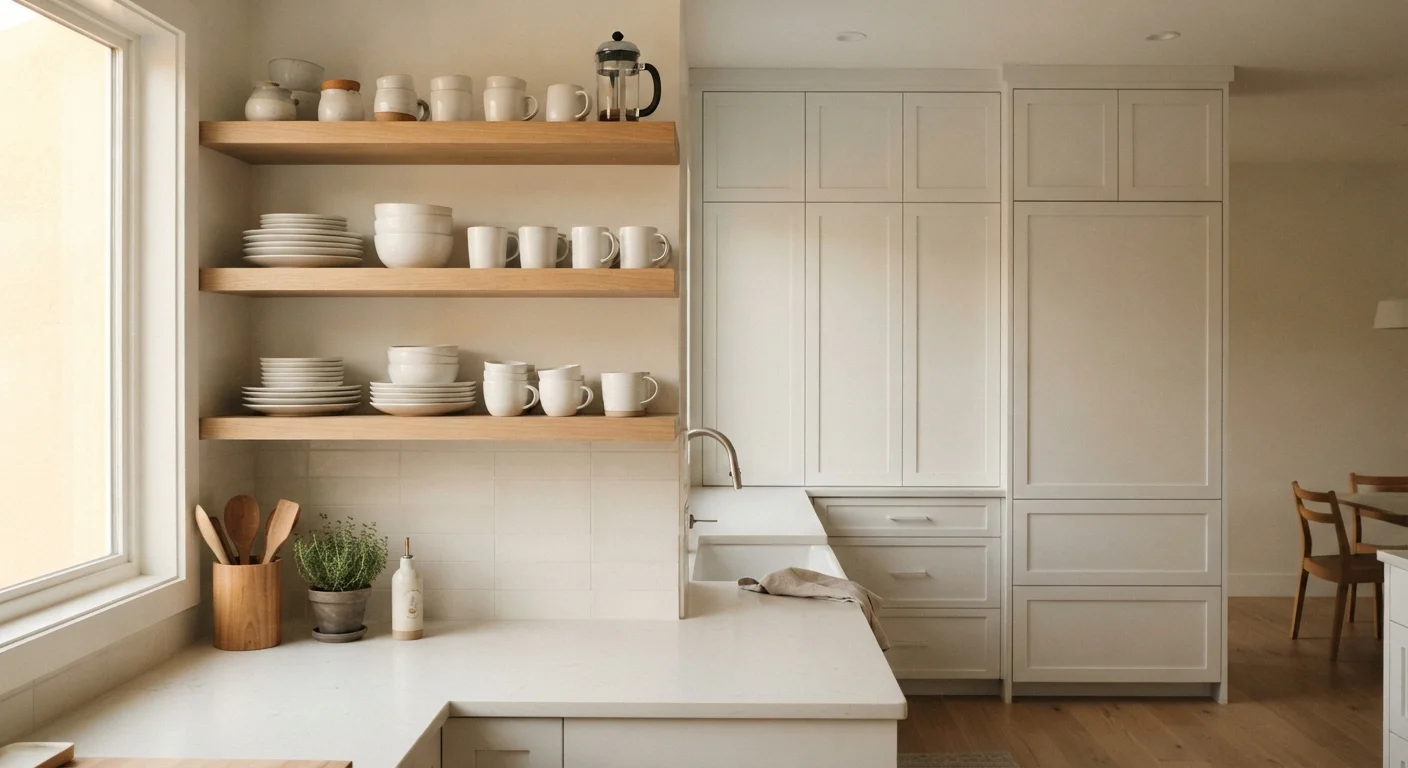
Many designers and homeowners settle on a hybrid approach: open shelving at eye level for frequently used, display-worthy items, and closed cabinets below the counter or in less prominent locations for everything else. This preserves the visual lightness of open shelving while keeping the practical clutter-containment benefits of closed storage. Before finalizing your layout, sketch out what you actually store and how often you access it - that audit often reveals which items genuinely belong on display and which are better hidden.
When planning shelf height and depth, consider how storage stacks vertically versus spreading horizontally across a wall. Our comparison of vertical vs. horizontal storage strategies can help you allocate wall space effectively before committing to a layout.
Closet spaces follow similar logic - see modular vs. built-in closet systems for how to weigh permanence against flexibility in other parts of your home.
~70%
US kitchens using primarily closed cabinetry
Industry surveys of kitchen renovation trends consistently show closed cabinetry dominates US kitchen design, reflecting its practical advantages for most households.
2-3×
More frequent cleaning needed for open shelves
Home organization experts generally note that open kitchen shelves require wiping down several times more often than items stored behind cabinet doors due to grease and dust exposure.