Why Social Needs Vary So Much Between Small Pets
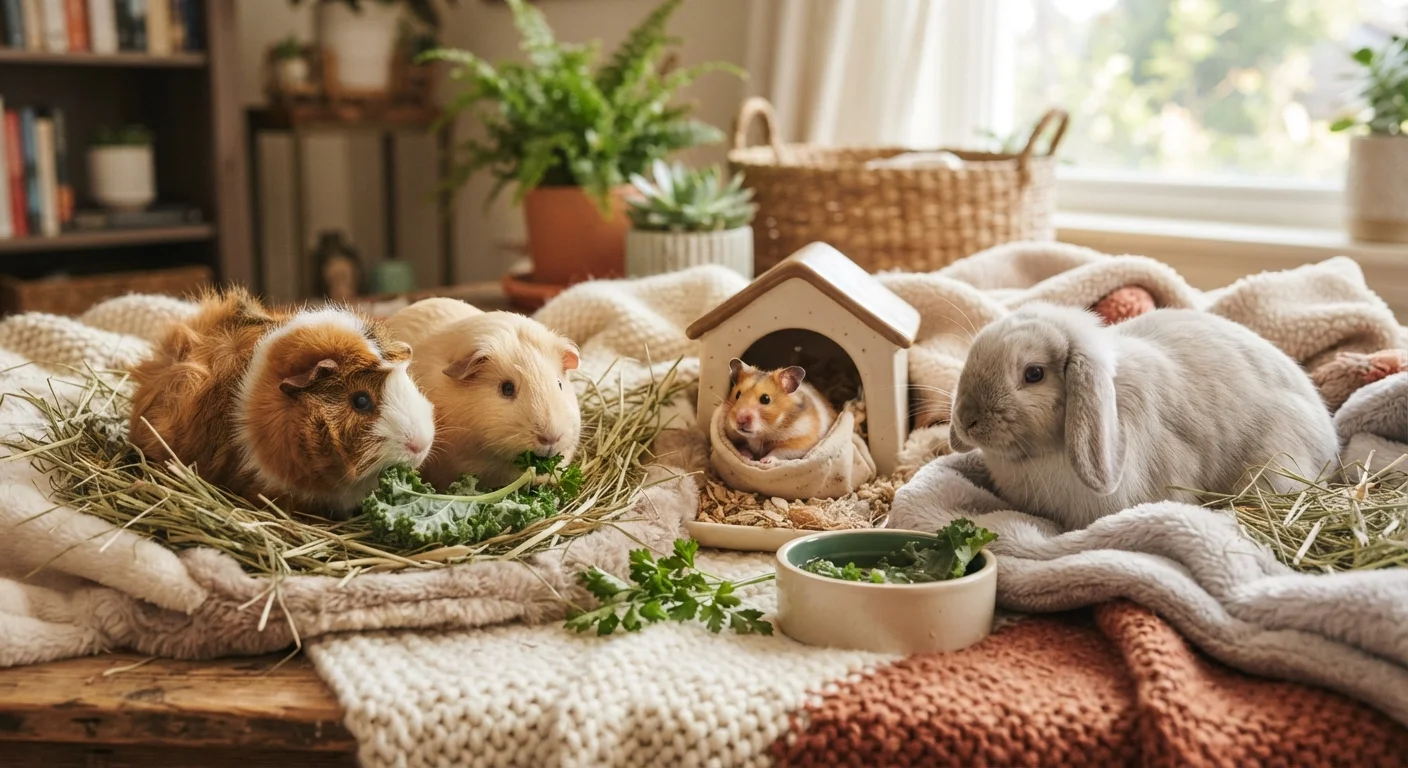
Small pets are often grouped together in the pet care conversation, but their social structures in the wild differ dramatically. A guinea pig descends from herd-living animals; a Syrian hamster is a solitary burrower that defends its territory fiercely. Applying the same socialization approach across species can cause serious stress or injury.
Before housing any small animal with a companion - or assuming it's better off alone - it's worth understanding what drives that species' behavior. This guide breaks down what the evidence and expert veterinary consensus say for the most common small companion animals.
“Social housing for obligately social species is not a luxury - it is a welfare requirement. Getting this right starts with knowing which species actually need company and which are better served by enrichment and human interaction instead.”
— American Association of Exotic Mammal Veterinarians, Professional organization for exotic mammal veterinary practice
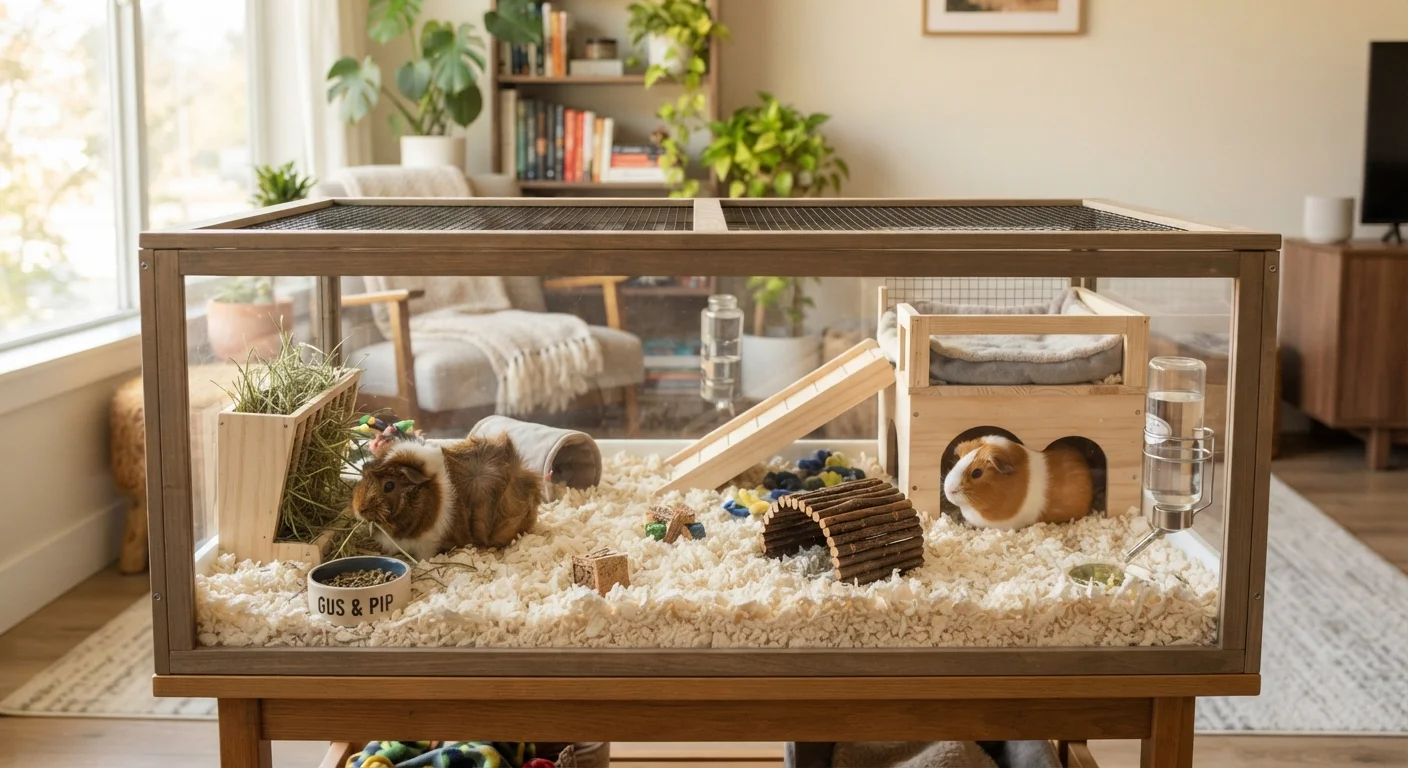
Guinea Pigs: Social Animals That Need Company
Guinea pigs (Cavia porcellus) are highly social and communicate constantly through vocalizations and grooming. A guinea pig housed alone is at genuine risk of loneliness-related stress, which can suppress immune function and lead to behavioral changes such as lethargy or repetitive movements.
Same-sex pairs or small groups are the most practical arrangement for most owners. Two females (sows) generally coexist peacefully. Two males (boars) can work well if introduced young and neutered, though personality mismatches do occur. Opposite-sex pairs require neutering one partner to prevent unwanted litters.
When introducing guinea pigs, use a neutral space neither animal has claimed. Provide multiple feeding stations and hides to reduce resource competition. Expect some chasing and teeth chattering initially - that's normal negotiation. Persistent biting or significant weight loss in either animal signals an incompatible pairing. For more on setting up a suitable environment, see Guinea Pig Housing: Space, Bedding, and Setup Explained.
Matching Personalities Matters Too
Even within species where companionship is recommended, individual personality plays a role. Some guinea pigs are more dominant, some rats more anxious. If an introduction is going poorly despite following best practices, consult a veterinarian or a small animal rescue organization experienced in behavior before assuming the animals are permanently incompatible. A slow, structured re-introduction often resolves early tension.
Hamsters and Gerbils: Opposite Ends of the Spectrum
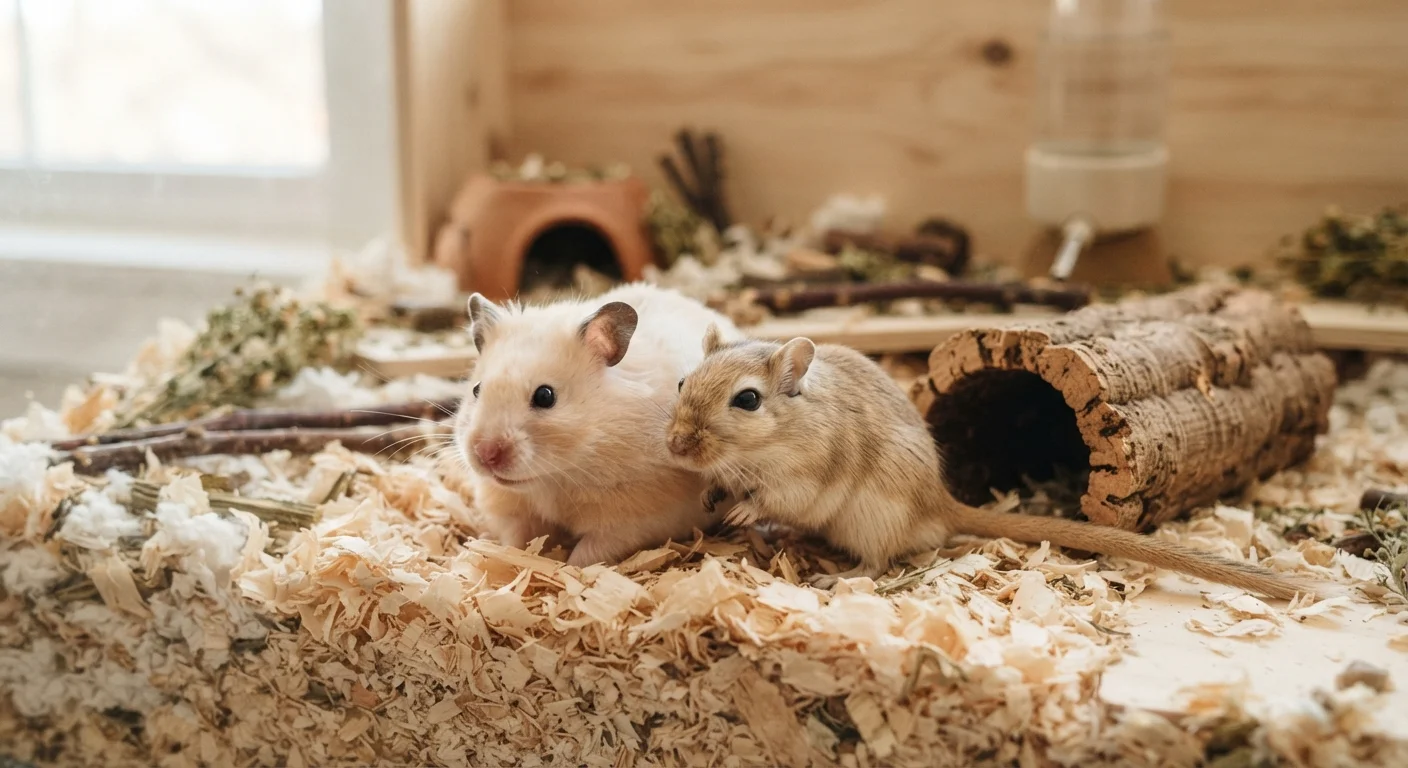
Hamsters: Syrian hamsters are obligate solitary animals. In the wild, adults maintain exclusive burrow territories and will fight intruders. Housing two Syrian hamsters together - regardless of sex - almost always results in fighting, injury, or death. Dwarf hamster species (Roborovski, Campbell's, Winter White) are sometimes kept in same-sex pairs, but even these can develop aggression as adults, particularly if space is insufficient. Separate housing should always be available as a fallback.
Gerbils: Gerbils are social and fare much better in pairs or small same-sex groups. They engage in mutual grooming and play, and a lone gerbil may show signs of anxiety. The critical rule with gerbils is declanning - if a group dynamic breaks down (often after a death or an outsider introduction), surviving animals may attack each other suddenly. Introducing new gerbils to an established group is not generally recommended; pairs bonded from a young age are the most stable arrangement.
For a detailed side-by-side look at these two species, Hamster vs. Gerbil: Which Small Pet Fits Your Lifestyle? offers a thorough comparison.
Always research the social structure of a species before purchasing or adopting.
Buying a second animal as a companion without understanding the species' natural behavior can result in fighting, injury, or chronic stress for both animals. Species-specific knowledge prevents costly and harmful mistakes.
Conduct introductions in a neutral space that neither animal has previously occupied.
Territorial animals defend established spaces aggressively. A neutral environment reduces the defender's advantage and gives both animals an equal footing, making initial tolerance more likely.
Provide multiple resource stations when housing social animals together.
Resource competition - over food, water, and hides - is a major driver of aggression even between compatible animals. Eliminating scarcity reduces conflict and allows subordinate animals to meet their needs.
Monitor body weight and behavior regularly after any housing change.
Stress and bullying are not always visible as direct aggression. A subordinate animal may be prevented from eating, leading to gradual weight loss that goes unnoticed without routine checks.
Have a backup housing arrangement ready before attempting introductions.
Not all animal pairings are compatible, and forcing incompatible animals to cohabit causes lasting stress and potential injury. A prepared secondary enclosure allows quick, safe separation if needed.
Rats and Rabbits: Social But Structured
Rats: Domestic rats are among the most social small mammals kept as pets. They engage in play, grooming, and even empathy-like behaviors with cagemates. A single rat deprived of companionship often develops depression and stereotypic behaviors. Same-sex pairs or trios are strongly recommended. Introductions work best on neutral ground with short, supervised sessions that gradually increase in length over one to two weeks.
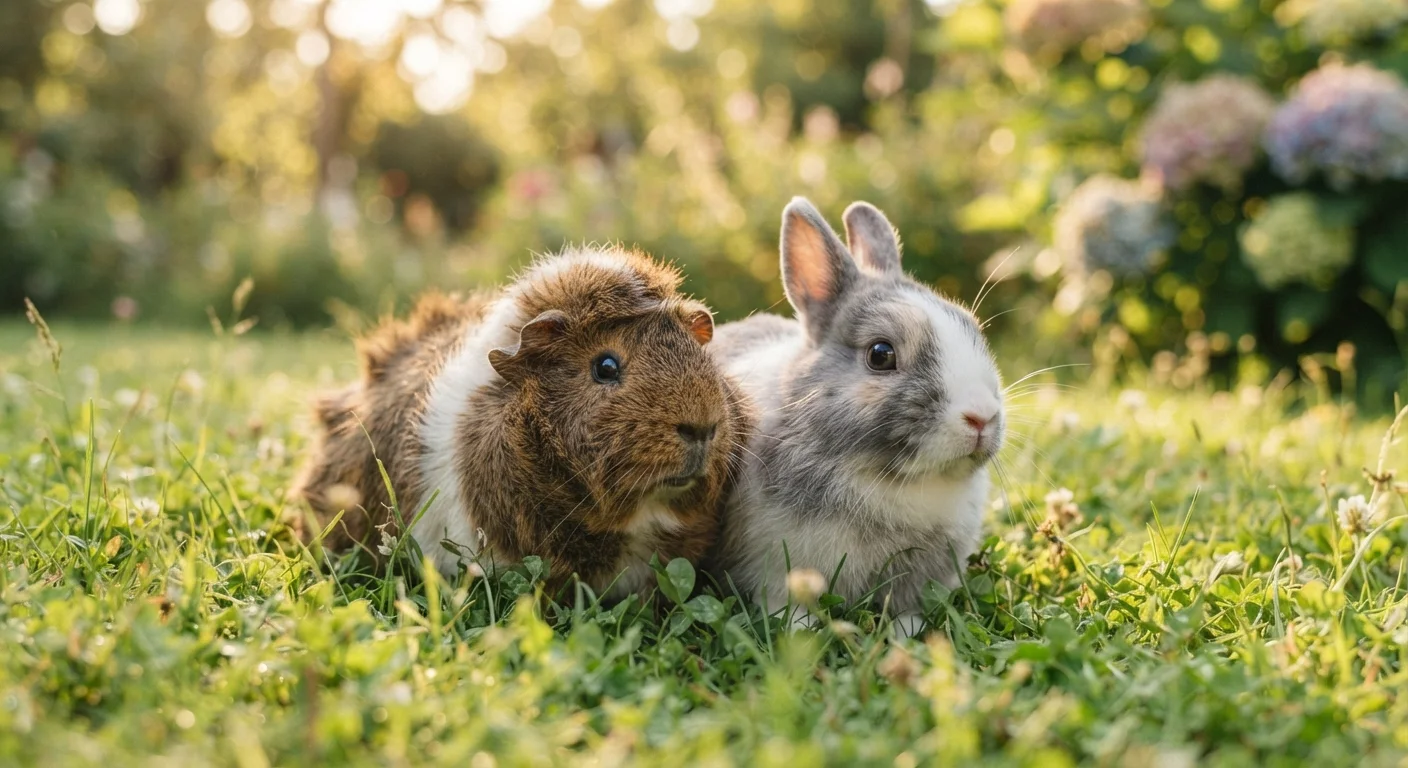
Rabbits: Rabbits are social but territorial, and bonding two rabbits is a process that can take days to weeks. The most successful pairing is typically a neutered male and a spayed female. Introduce them in a completely neutral space - not in either rabbit's current enclosure - and use stress-bonding techniques (such as short car rides, which cause mild stress that encourages the rabbits to seek comfort from each other) only under the guidance of an experienced rabbit rescue or veterinarian. For a broader species comparison, see Guinea Pig vs. Rabbit: Comparing Two Popular Small Pets.
Neutering and Spaying Affect Social Dynamics
For rabbits and some guinea pig pairings, reproductive status significantly influences compatibility. Unneutered males of many species are more likely to display territorial or mounting behavior that destabilizes group harmony. A veterinarian experienced with small mammals can advise whether surgical intervention is appropriate for your specific animals and situation.
Human Socialization: Taming Across All Species
Regardless of whether a species is social with its own kind, all small pets benefit from regular, gentle handling by their owners. Taming should begin early, with brief daily sessions that respect the animal's stress signals - freezing, hiding, biting, or vocalizing. Never restrain a small animal forcibly; let it approach your hand voluntarily and build confidence at its own pace.
Species-appropriate enrichment supports socialization by reducing fear and boredom. Foraging activities, tunnels, and species-suited toys give animals positive outlets and make handling sessions less novel and threatening. Enrichment Ideas That Keep Small Animals Mentally Active provides practical starting points for each species. Always consult a veterinarian with exotic animal experience if an animal shows persistent aggression, withdrawal, or signs of chronic stress.
This article provides general information about small pet care and is not a substitute for advice from a qualified veterinarian. If you have concerns about your pet's health or behavior, consult a licensed veterinary professional.