Size, Space, and Housing Requirements
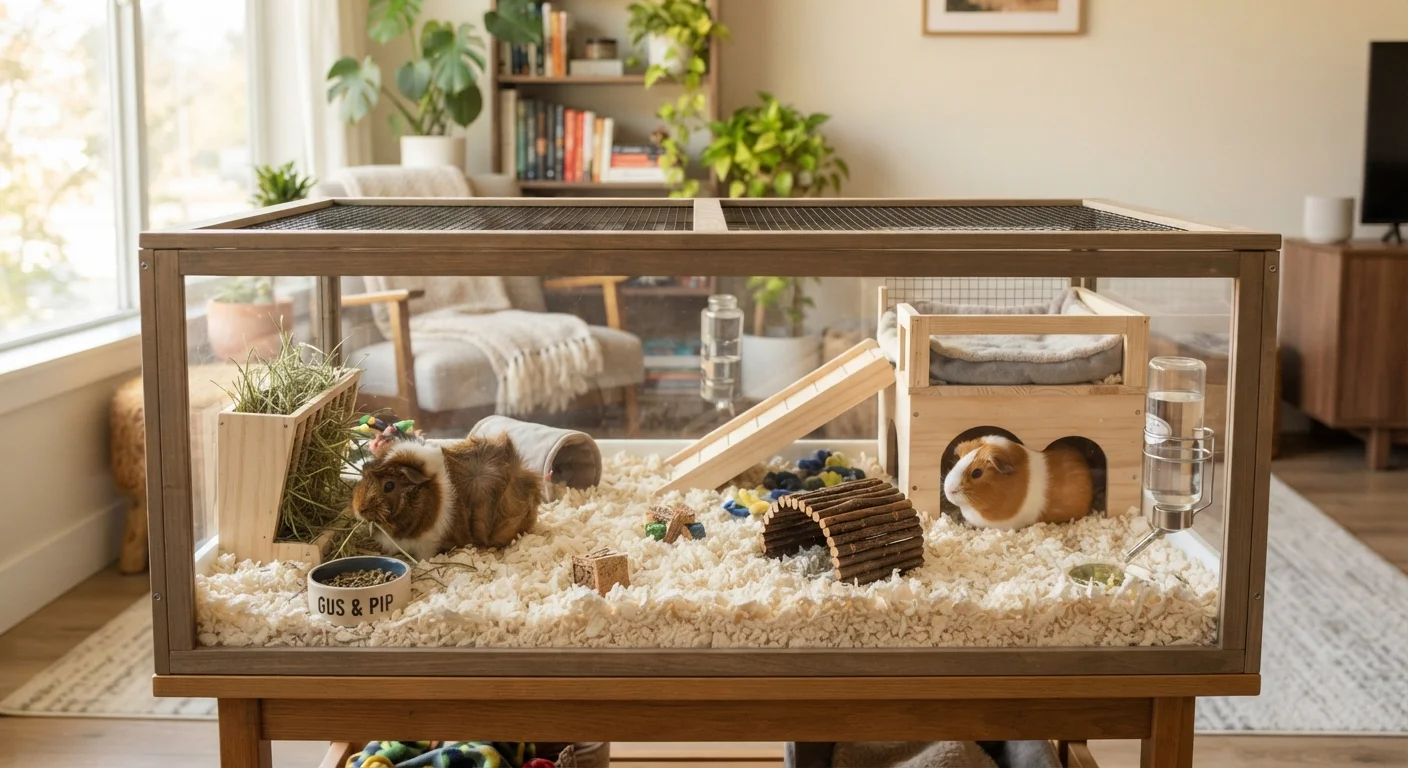
One of the most immediate differences between guinea pigs and rabbits is their size-and the habitat demands that come with it. Guinea pigs typically weigh 1.5 to 2.5 pounds and need a minimum of 7.5 square feet of enclosure space per animal, though more is always better. The Humane Society of the United States and many exotic animal veterinarians recommend even larger setups for pairs. For a deeper look at habitat specifics, see our guide to guinea pig housing.
Rabbits can range from 2 to over 10 pounds depending on breed, and their space requirements are considerably greater. Most rabbit welfare organizations recommend enclosures of at least 12 square feet, combined with daily access to a supervised exercise area of 24 square feet or more. Rabbits that are confined without roaming time can develop physical and behavioral problems. Indoor rabbits also tend to chew baseboards and cables, requiring careful bunny-proofing.
| Guinea Pig | Rabbit | |
|---|---|---|
| Typical weight | 1.5-2.5 lbs | 2-10+ lbs (breed-dependent) |
| Minimum enclosure space | 7.5 sq ft per animal | 12 sq ft + daily exercise area |
| Average lifespan | 4-7 years | 8-12 years |
| Social needs | Strongly prefers group housing | Benefits from bonded companion |
| Vitamin C requirement | Essential; must be dietary | Not a dietary concern |
| Noise level | Moderately vocal; varied sounds | Generally quiet |
| Chewing / destructive tendency | Low to moderate | High; requires bunny-proofing |
| Veterinary complexity | Exotic vet required | Exotic vet required; spay/neuter advised |
Social Needs and Temperament
Guinea pigs are highly gregarious animals. In the wild, they live in groups, and solitary guinea pigs frequently show signs of stress and depression. Keeping at least two same-sex guinea pigs together is strongly recommended by most exotic veterinarians. They communicate with a rich vocabulary of sounds-wheeks, purrs, and chutts-making them unusually expressive small pets. Learn more about species-appropriate introductions in our article on socializing small pets.
Rabbits are social, but their social dynamics are more complex. They can bond closely with human caregivers and, when properly introduced, with other rabbits. However, introductions between rabbits require patience and a structured process to avoid territorial fighting. Unlike guinea pigs, rabbits can be territorial and may not welcome a new companion without careful, gradual pairing. Rabbits also tend to be crepuscular-most active at dawn and dusk-so their activity peaks may not align with every household schedule.
Introduce Rabbits Slowly and Safely
If you plan to keep two rabbits together, never simply place them in the same enclosure. Use a gradual bonding process over several days or weeks, starting with adjacent enclosures and supervised neutral-territory meetings. A sudden introduction can result in serious injury. Many rabbit rescue organizations offer bonding guidance and sometimes pre-bonded pairs available for adoption.
Diet and Nutritional Needs
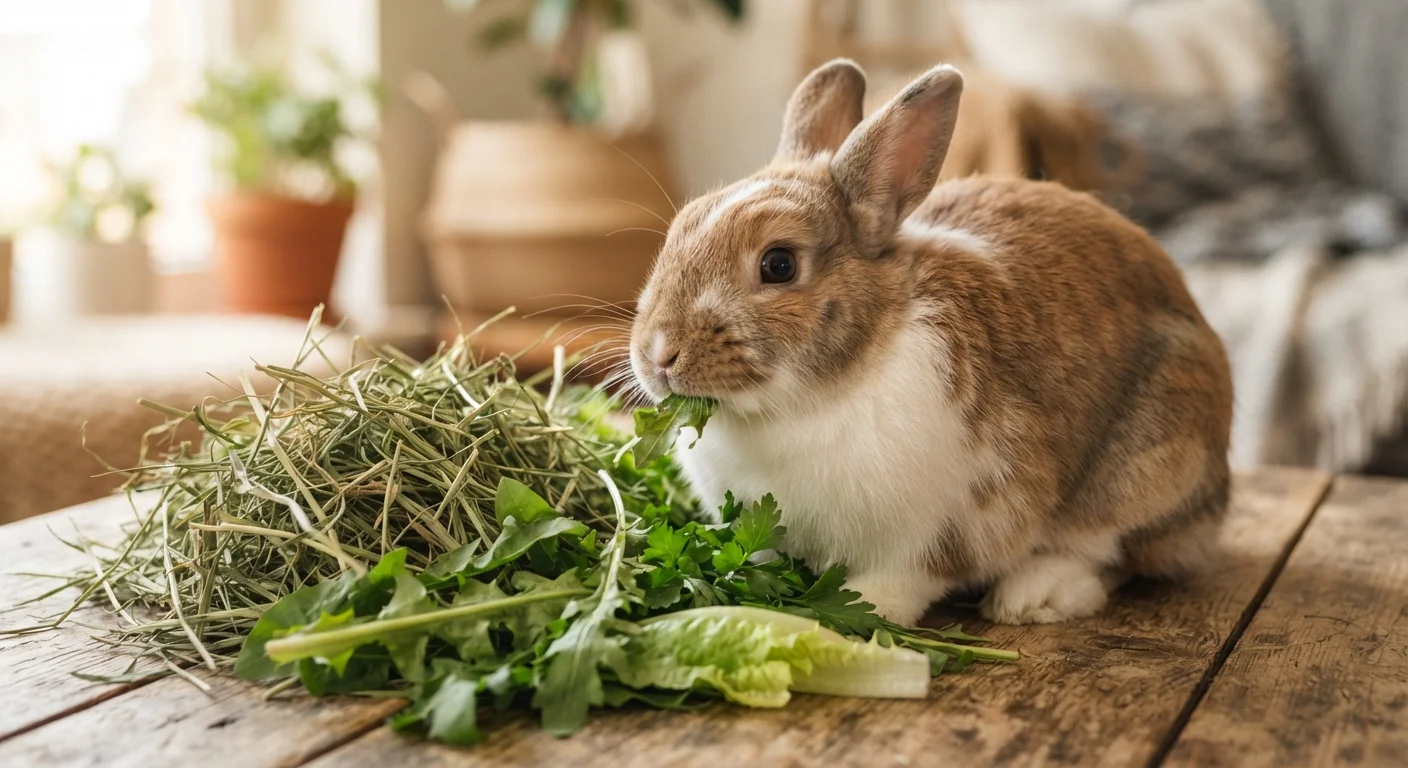
Both guinea pigs and rabbits depend on unlimited grass hay-timothy hay is the standard recommendation-as the cornerstone of their diet. Hay supports healthy gut motility and dental wear in both species. However, there is one critical dietary difference: guinea pigs cannot synthesize vitamin C, just as humans cannot. They must receive adequate vitamin C daily through fresh leafy greens such as bell pepper and romaine lettuce, or through their food. Deficiency leads to scurvy, a serious and preventable condition.
Rabbits do not have this requirement. Their diets are supplemented with fresh leafy greens and a measured amount of species-appropriate pellets, but vitamin C is not a limiting concern. Common rabbit feeding myths-such as carrots being a dietary staple-can cause real harm; our rabbit diet myths article addresses these misconceptions directly. Both animals should have access to fresh water at all times, and sugary treats should be strictly limited for both.
Lifespan, Health Considerations, and Veterinary Care
Prospective owners should factor lifespan into their decision. Guinea pigs typically live 4 to 7 years, while domestic rabbits commonly live 8 to 12 years with proper care-a meaningful difference in long-term commitment. Both species are considered exotic animals from a veterinary standpoint, meaning routine care requires a veterinarian with small mammal or exotic animal experience, which is not universally available in all areas.
Common guinea pig health concerns include respiratory infections, dental malocclusion, and skin parasites. Rabbits are prone to gastrointestinal stasis-a potentially life-threatening slowing of the digestive system-as well as dental issues and uterine cancer in unspayed females, making spaying and neutering strongly advisable. Veterinary costs for both species can be comparable to those of cats or dogs. Owners should be prepared for these expenses before bringing either animal home. Our preparation checklist can help you assess readiness before committing. For a comprehensive overview of rabbit care essentials, see what rabbits actually need to stay healthy.
This article is for general informational purposes only and does not constitute veterinary advice. Always consult a qualified exotic animal veterinarian for guidance specific to your pet's health and care needs.