Why the Term 'Tune-Up' Is Outdated - But Still Useful
Ask five mechanics what a tune-up includes, and you may get five different answers. That's not evasion - it's because the term originated in the era of carbureted engines, where ignition timing, idle speed, and fuel mixture all required periodic physical adjustment. Modern fuel-injected engines with electronic controls handle much of that automatically.
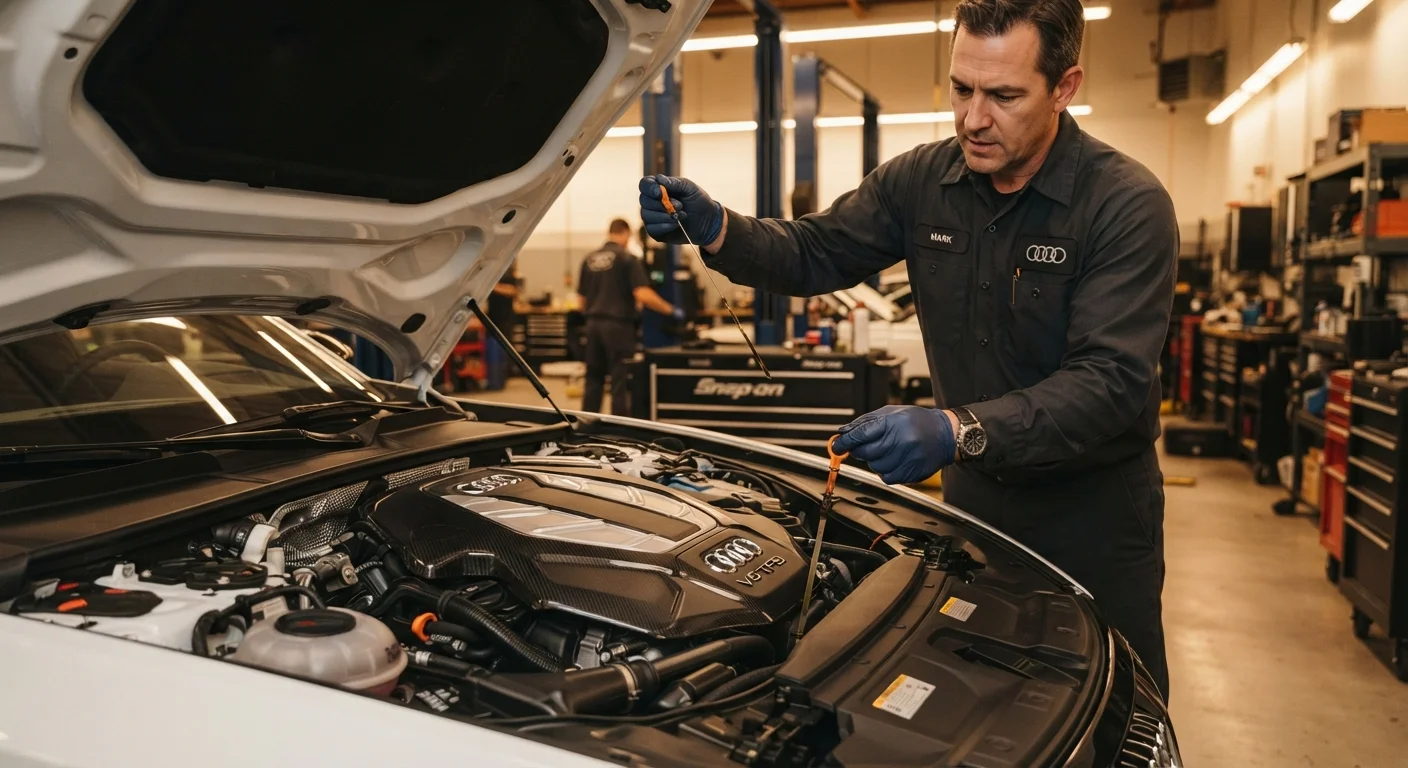
Today, a tune-up is best understood as a scheduled engine maintenance service - a bundle of inspections and replacements timed to your vehicle's mileage. The components involved differ between a 1985 pickup and a 2018 sedan, but the goal is the same: keep ignition and air delivery systems working as the manufacturer intended. See our complete vehicle maintenance overview for how a tune-up fits into the broader picture of car care.
60,000-100,000 mi
Typical spark plug interval for modern iridium plugs
Iridium and platinum spark plugs last significantly longer than conventional copper plugs, which often needed replacement every 30,000 miles or less.
~4%
Potential fuel economy loss from worn spark plugs
The U.S. Department of Energy has noted that fixing a car that is noticeably out of tune - including worn plugs - can improve gas mileage by an average of around 4%.
Core Components of a Modern Tune-Up
On a contemporary vehicle, a tune-up typically addresses the following:
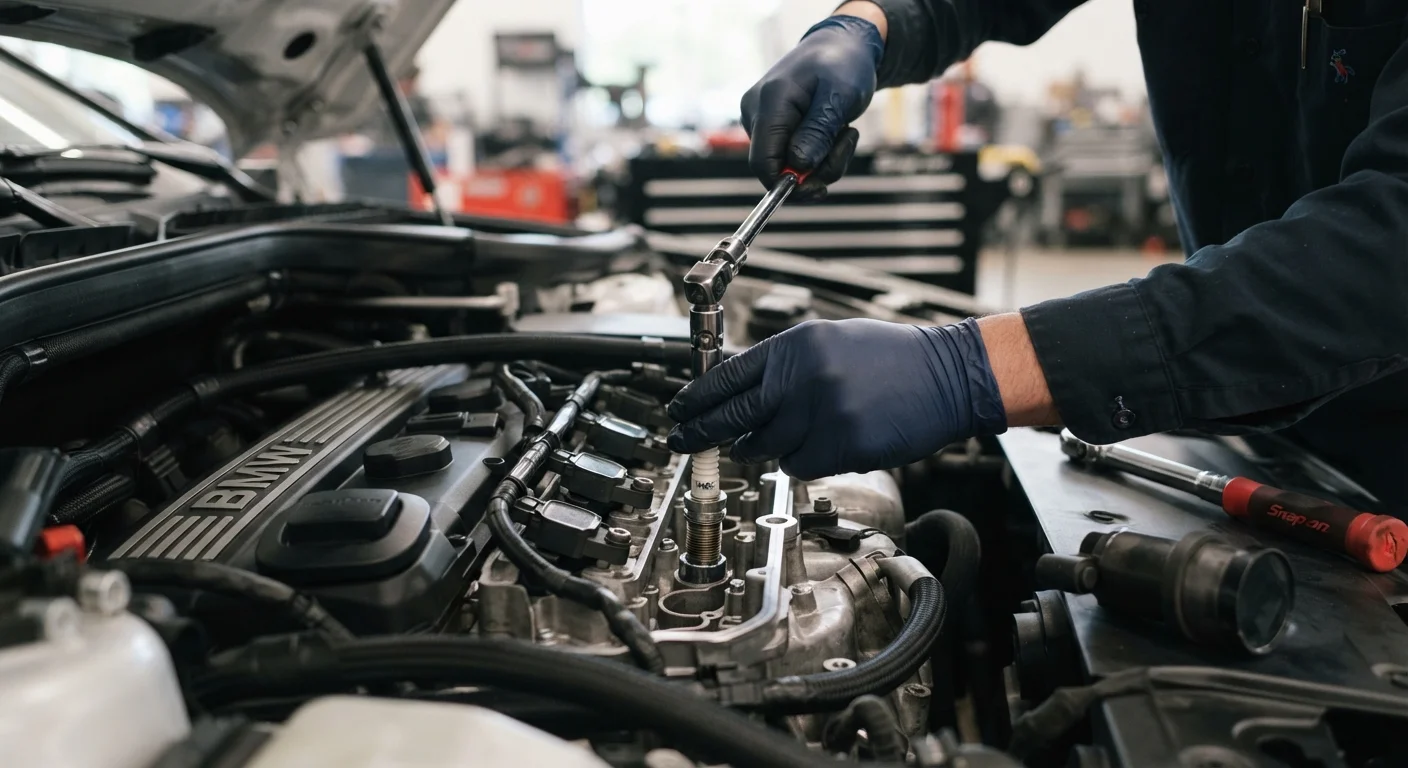
- Spark plugs: The most fundamental item. Spark plugs ignite the air-fuel mixture in each cylinder. As they wear, the gap widens, combustion becomes less consistent, and fuel economy drops. Modern iridium or platinum plugs last 60,000-100,000 miles; standard copper plugs wear faster.
- Engine air filter: A clogged air filter restricts airflow to the engine, reducing efficiency. Replacement is straightforward and often DIY-friendly.
- Cabin air filter: While not directly related to engine performance, it's commonly replaced at the same visit since it follows a similar interval.
- Fuel system inspection: Some service packages include a check of fuel injectors and fuel filter condition, particularly if the vehicle is showing rough idle symptoms.
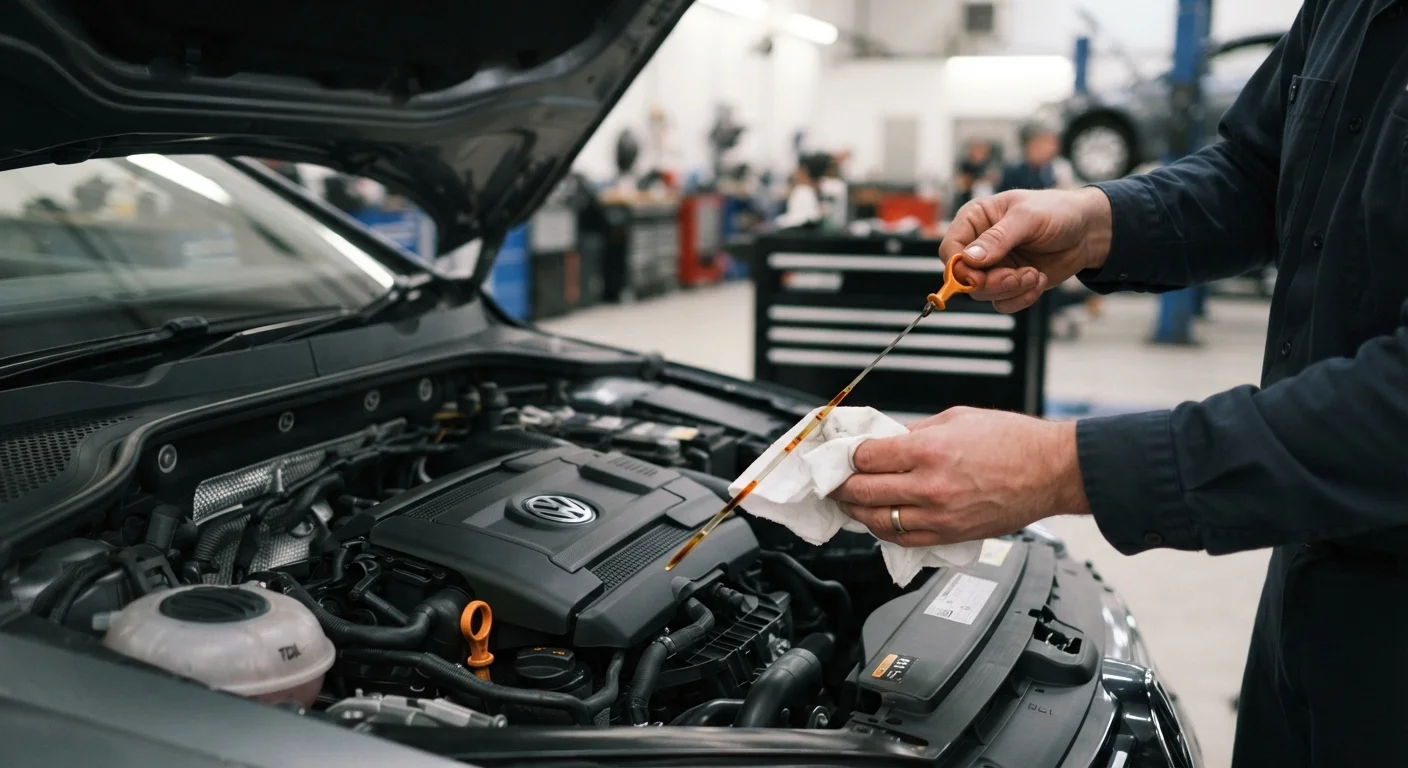
- Inspection pass: A good tune-up also includes a visual check of ignition wires (on older engines with separate wire sets), belts, and fluid levels.
Check Before You Schedule
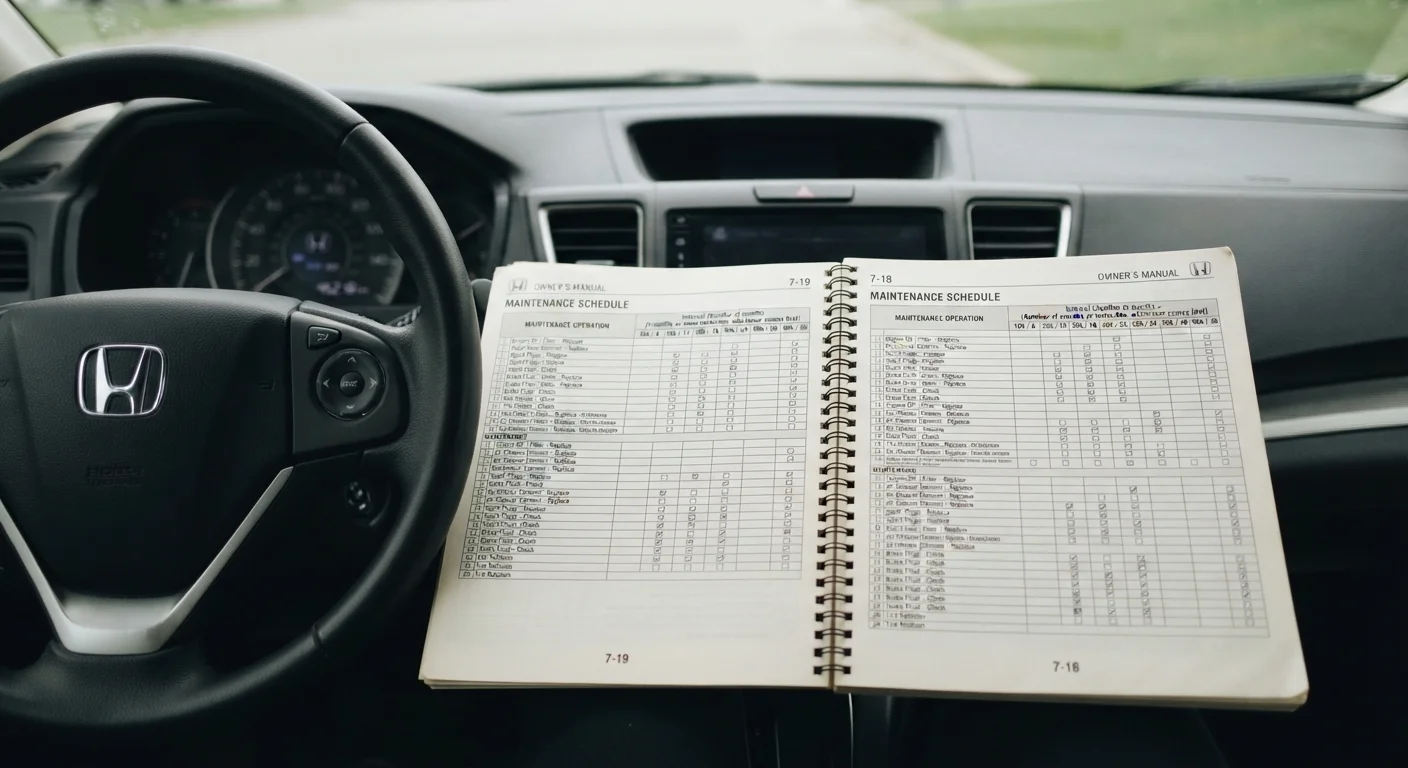
Before booking a tune-up, pull out your owner's manual and check the manufacturer's maintenance schedule. It will specify exactly which items are due at your current mileage - and which aren't. This takes five minutes and can save you from paying for services your car doesn't yet need.
For a full breakdown of what each scheduled service involves, our guide to routine maintenance covers intervals and costs in practical terms.
What Older Vehicles Required That Modern Cars Don't
Drivers of pre-1990s vehicles - or anyone maintaining a classic car - will encounter tune-up components that no longer exist on modern platforms:
- Distributor cap and rotor: These mechanically routed high-voltage current to each spark plug wire. They wore out, cracked, and corroded. Today's distributorless ignition systems use coil-on-plug technology - no cap or rotor needed.
- Points and condenser: Mechanical contact points inside the distributor controlled ignition timing. They required regular inspection and replacement. Electronic ignition systems made them obsolete by the 1980s.
- Carburetor adjustment: Pre-fuel injection, the carburetor mixed air and fuel mechanically and needed periodic adjustment for idle quality and mixture. Fuel-injected systems do this electronically.
Understanding what your specific car actually needs - rather than assuming a one-size-fits-all list - is the key to not overpaying or under-maintaining. Your owner's manual is the authoritative source. Learn how to read and use your maintenance schedule to get that right.
How to Approach a Tune-Up as an Owner
Whether you're planning to hand your car to a shop or tackle some of the work yourself, a structured approach prevents both overspending and overlooked items.
Start with your owner's manual. Manufacturers publish specific replacement intervals for spark plugs, filters, and other service items. These intervals - not generic advice - should drive your decisions. For new drivers learning the basics of car maintenance, this is one of the most valuable habits to build early.
When working with a shop, ask for an itemized breakdown before authorizing the service. A tune-up is not a regulated term - one shop's version may include fuel injector cleaning; another's may not. Knowing the specific tasks and parts involved lets you compare fairly and avoid paying for redundant work.
For long-term reliability, consistency matters more than any single service visit. Building habits that protect your vehicle over time - including keeping service records - is what separates cars that last 200,000 miles from those that don't.
“The best maintenance strategy is a proactive one - following the manufacturer's schedule rather than waiting for a problem to appear. By the time you notice a symptom, wear has often already progressed further than necessary.”
— ASE (Automotive Service Excellence) Educational Foundation, National automotive technician credentialing and education body