Why the Sticker Price Is Just the Starting Point
Walk onto any dealership lot and the price on the window commands your attention. But that figure - whether $25,000 or $55,000 - captures only the initial transaction. Once you sign and drive away, a separate ledger of ongoing expenses begins accumulating quietly behind the scenes.
According to AAA's annual Your Driving Costs study, the average American driver spends well over $10,000 per year to own and operate a vehicle. Spread over five years, that's a financial commitment far larger than most buyers anticipate when comparing monthly payment options at the dealership.
The costs break into two broad categories. Fixed costs are those you pay regardless of how much you drive - insurance premiums, registration fees, and loan interest chief among them. Variable costs scale with usage - fuel, tire wear, and routine maintenance. Both categories deserve a place in your budget before you commit to a vehicle. For a comprehensive breakdown of every cost dimension, see everything that goes into the real cost of car ownership.
$10,000+
Average annual cost of US vehicle ownership
AAA's annual Your Driving Costs study consistently places total average annual ownership costs above this threshold when all expenses are included.
~50%
Value lost in first five years for many new vehicles
Industry data suggests many new vehicles depreciate by roughly half their original value within the first five years of ownership.
$5,600+
Interest paid on a typical 5-year auto loan
A $30,000 loan at 7% over 60 months generates approximately this amount in interest charges, based on standard amortization calculations.
Depreciation: The Invisible Expense That Hits Hardest
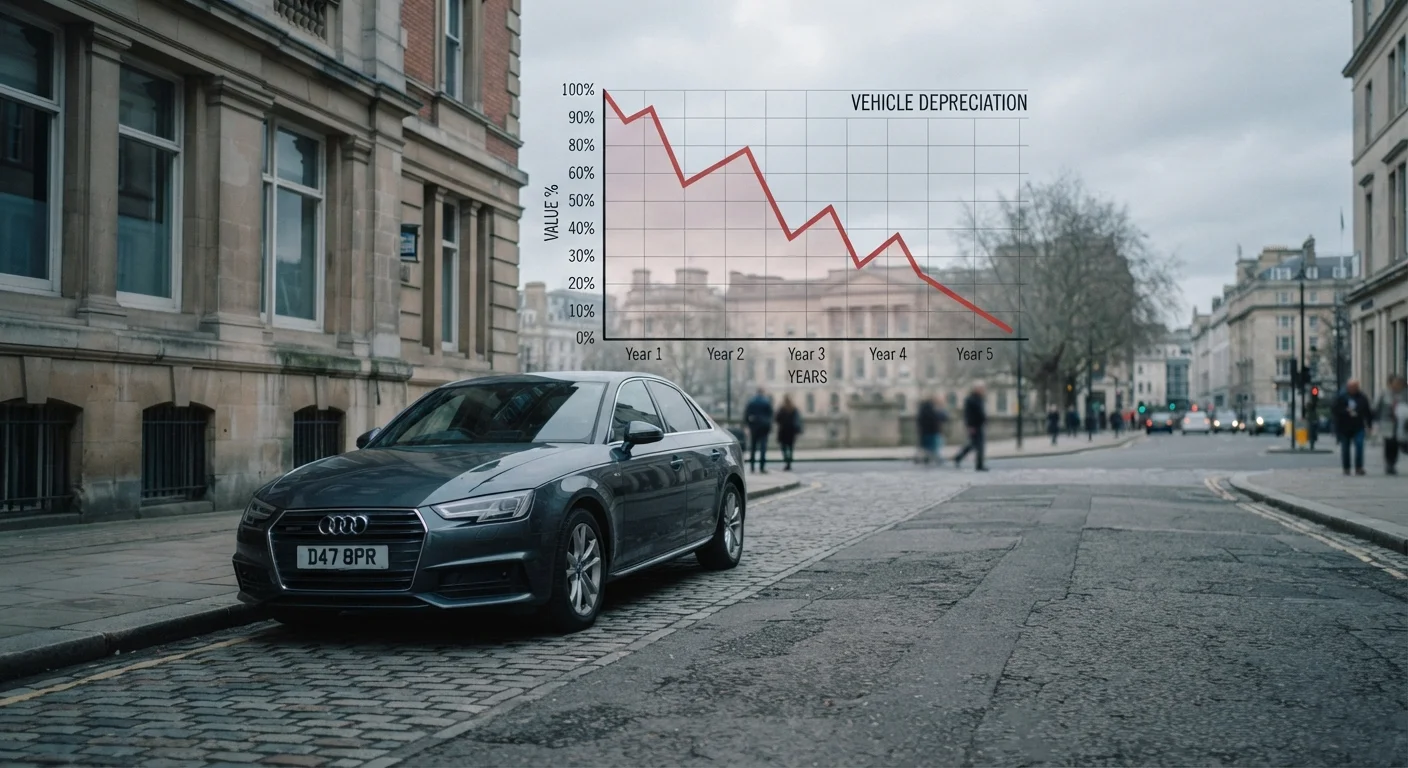
Of all car ownership costs, depreciation is the one most drivers never see as a bill - and yet it is typically the largest single expense. A new vehicle can lose 15-25% of its value within the first twelve months. By year five, many models have lost more than half their original value.
This matters in concrete terms: if you paid $35,000 for a vehicle that is worth $18,000 five years later, you absorbed $17,000 in depreciation - roughly $3,400 per year before paying a cent toward fuel or insurance. Depreciation hits hardest on new vehicles; used cars that have already passed through that initial steep decline transfer less of that loss to the next owner.
Understanding which factors accelerate or slow depreciation can meaningfully affect your financial outcome. Why your car loses value explains these dynamics in depth.
Fuel, Insurance, and Financing: The Recurring Costs
After depreciation, fuel and insurance typically trade places as the second and third largest ownership costs, depending on the driver and the vehicle.
Fuel: Annual fuel costs depend on how much you drive, local gas prices, and your vehicle's fuel economy rating. A driver covering 15,000 miles per year in a vehicle averaging 25 mpg - and paying average US pump prices - will spend roughly $1,500-$2,500 annually on gasoline. A truck or SUV with lower fuel economy can push that figure considerably higher.
Insurance: Premiums vary widely based on your location, driving history, vehicle type, and coverage level. Many drivers are underinsured relative to their net worth; others carry more coverage than their situation warrants. Review your policy annually, but recognize that cutting coverage too aggressively creates financial risk that can dwarf the premium savings.
Financing interest: Buyers who focus on monthly payment amounts often underestimate total interest paid over a loan term. A $30,000 loan at 7% interest over 60 months results in roughly $5,600 in interest charges - a meaningful addition to the vehicle's true cost.
“The monthly payment is the number buyers negotiate hardest, but it's often the least informative figure for understanding what a vehicle will actually cost them.”
— Cars & Driving Editorial Team, Automotive cost analysis and consumer guidance
Maintenance and Repairs: The Cost of Reliability
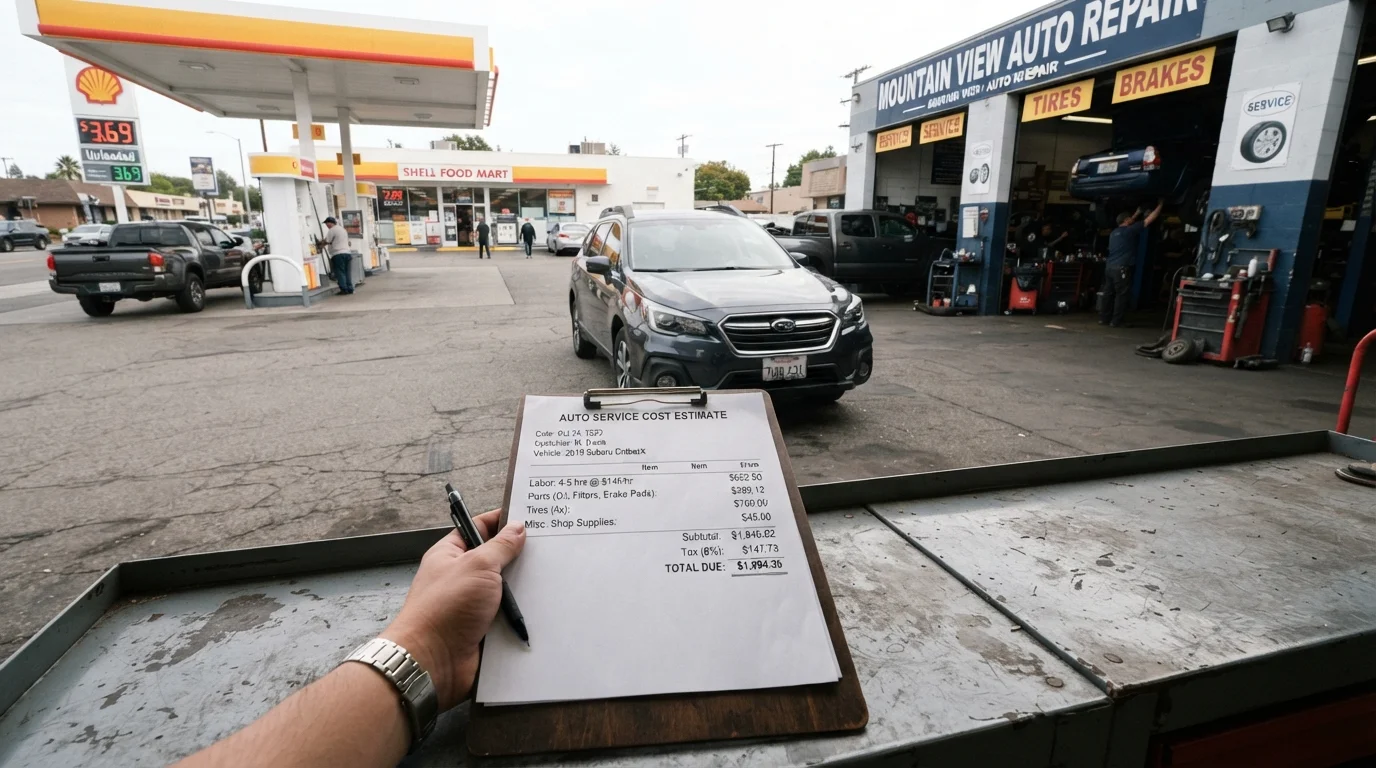
A well-maintained vehicle is a less expensive vehicle over time. Routine maintenance - oil changes, tire rotations, fluid checks, brake inspections - is relatively predictable in cost and serves as insurance against far more expensive failures. Routine maintenance every car owner should know explains what a standard service schedule covers and why consistency matters.
Your vehicle's owner's manual contains the manufacturer's recommended maintenance schedule - a specific, mileage-based roadmap designed to extend the life of your car. Many drivers overlook this resource; reading your owner's manual walks you through how to find and apply it.
Unplanned repairs represent the variable most difficult to budget for. Setting aside a modest monthly reserve - financial planners often suggest $50-$100 per month for a vehicle in reasonable condition - helps absorb the shock of unexpected costs without disrupting your broader finances.
Build a Maintenance Reserve Into Your Budget
Rather than treating repair bills as unexpected shocks, set aside a fixed monthly amount - $50 to $100 is a reasonable starting point for most vehicles - into a dedicated account. Over the course of a year, this creates a buffer that absorbs routine service costs and reduces the financial impact of unplanned repairs. It's one of the simplest habits that separates drivers who feel in control of their car costs from those who don't.
The Costs That Rarely Make It Into the Budget
Beyond the headline expenses, a category of smaller, recurring costs quietly inflates the annual total. Annual registration and title fees, emissions testing, parking costs, toll charges, car washes, and roadside assistance memberships each add to the ledger. Individually modest, collectively these can represent $500-$1,500 per year depending on where you live and how you drive.
These are the costs most likely to be absent from a new buyer's mental budget - and the ones most likely to cause annual financial surprise. Our companion piece on why drivers underestimate their annual car costs examines this pattern in detail.
Building a realistic, complete picture of car ownership costs before you purchase - rather than after - puts you in a fundamentally stronger financial position. The goal is not to discourage car ownership, but to ensure that your transportation decision is a genuinely informed one.