Why Soil Amendments Exist
Most garden problems - plants that won't thrive, water that pools, roots that stay shallow - trace back to the soil itself. Soil amendments exist to fix the underlying conditions, not just the symptoms. They work by changing how soil particles stick together, how water moves through them, and whether the pH allows plants to absorb the nutrients already present.
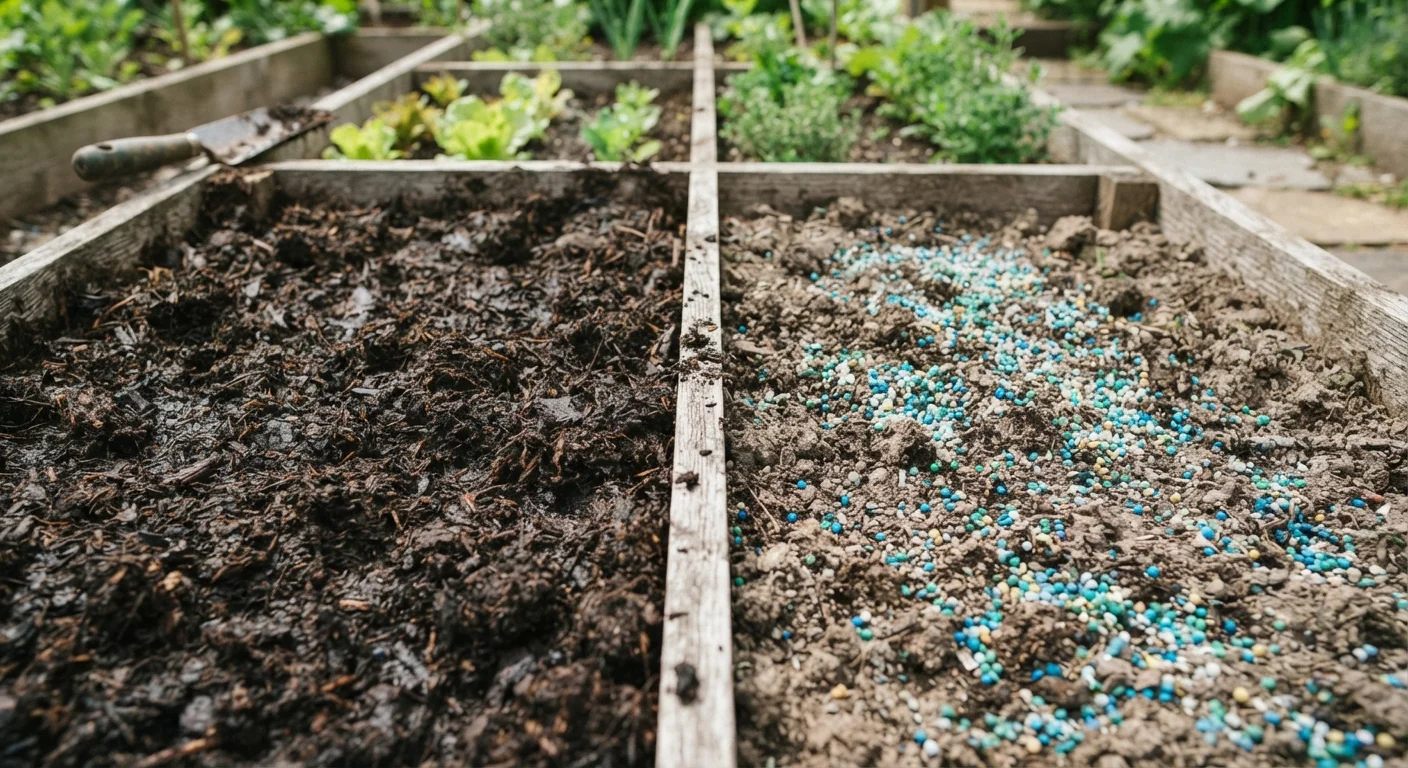
It's worth separating amendments from fertilizers before going further. Fertilizers feed plants directly; amendments improve the environment in which plants feed. Many gardeners use both, but they solve different problems. For a deeper look at the nutrient side of this equation, see our guide on organic vs. synthetic fertilizers.
The Most Common Amendments and What They Do
Understanding what each amendment actually changes helps you choose the right one - and avoid applying something your soil doesn't need.
6.0-7.0
Ideal pH range for most vegetables
Most vegetable crops absorb nutrients most efficiently when soil pH falls within this moderately acidic to neutral range, according to general horticultural guidance.
3-6 months
Time for lime to fully adjust soil pH
Agricultural lime reacts slowly with soil particles; fall application is typically recommended so adjustment is complete by the following growing season.
1-3 inches
Recommended compost layer per application
Most university extension programs suggest working 1-3 inches of finished compost into the top 6-8 inches of soil per growing season for general bed improvement.
Compost
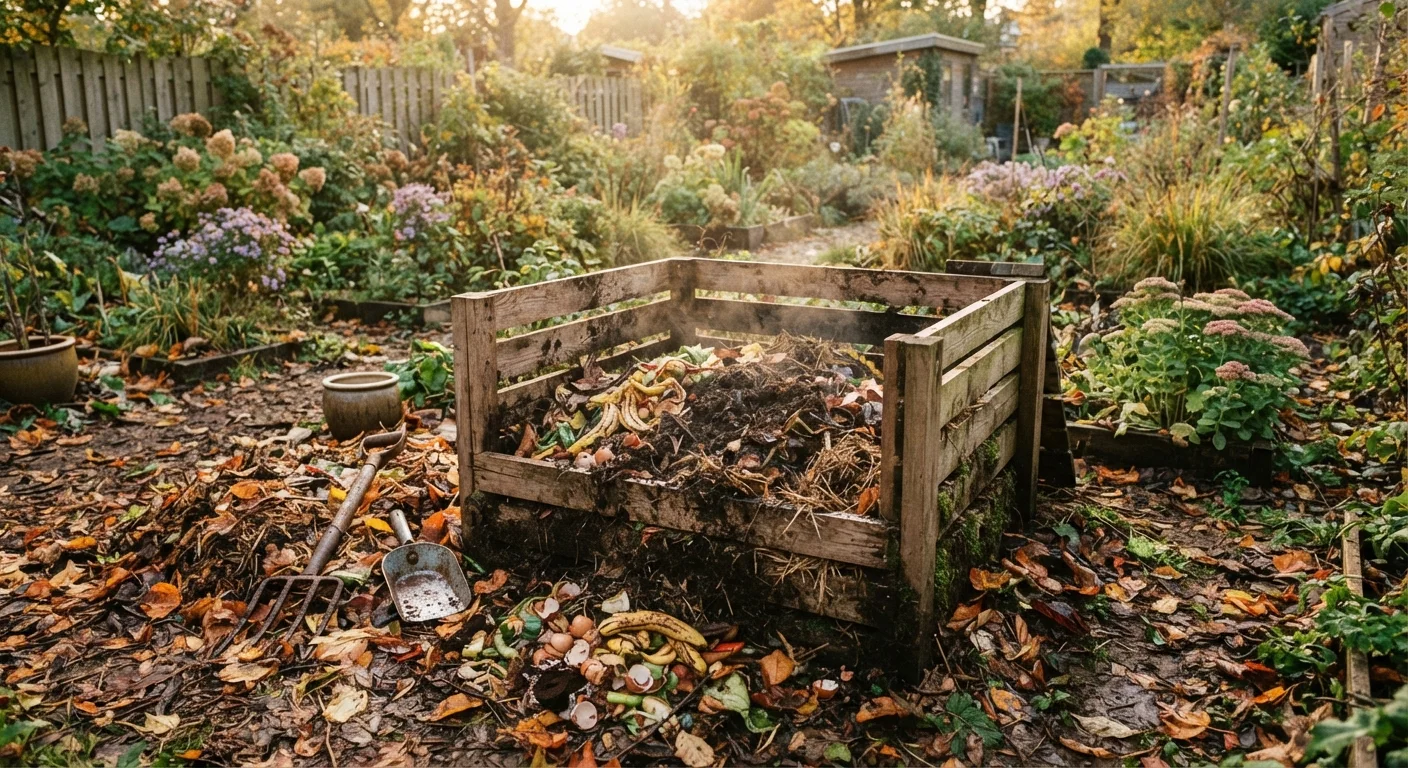
Finished compost improves structure in both clay and sandy soils - it loosens clay and helps sandy soil retain moisture and nutrients. It also feeds soil microbes, which cycle nutrients into forms plants can use. It's the closest thing to a universal amendment. Learn how to make and apply it effectively in our complete composting guide.
Lime (Agricultural Lime)
Lime is ground limestone added to raise soil pH - making acidic soil more alkaline. This is critical in regions with naturally acidic soils or where heavy rainfall leaches calcium. It works slowly, often taking several months to shift pH measurably, so fall application is generally preferred.
Sulfur
Elemental sulfur does the opposite of lime: it gradually lowers soil pH, making alkaline soil more acidic. This is useful when growing acid-loving plants like blueberries or azaleas in high-pH soils. Like lime, it acts slowly and should only be applied when a soil test confirms it's needed.
Perlite and Coarse Sand
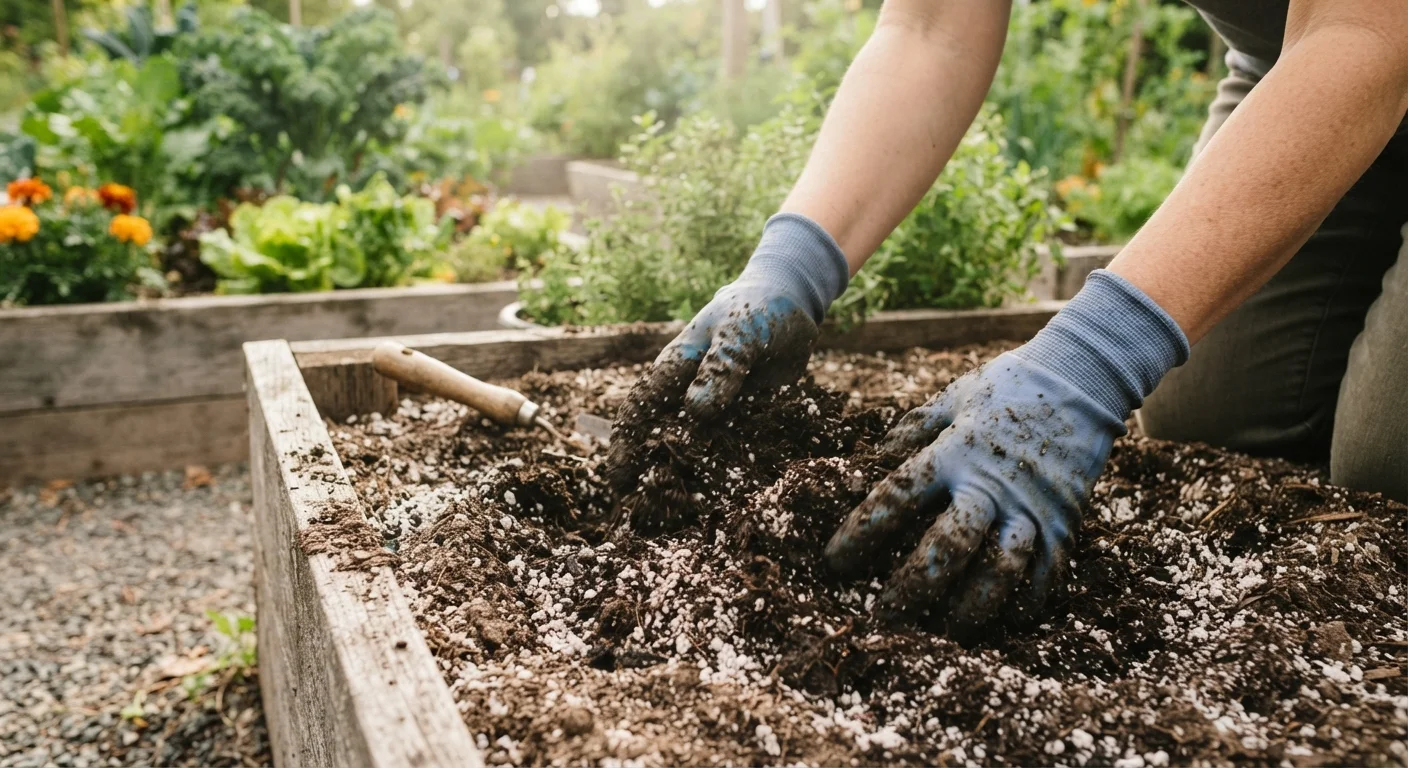
These inorganic amendments improve drainage and aeration in heavy, compacted, or clay-dominant soils. Perlite - lightweight volcanic glass - is particularly useful in container mixes. Coarse horticultural sand can help in-ground beds, though very fine sand can actually worsen clay soil compaction and should be avoided.
Gypsum
Gypsum (calcium sulfate) improves structure in clay soils without significantly changing pH. It's a common choice when soil is tight and compacted but pH is already near neutral, since lime would push pH too high.
Start With a Soil Test - Not a Guess
The most common amendment mistake is applying products based on assumptions rather than actual data. Spreading lime on soil that's already at the right pH can lock out manganese and iron, causing nutrient deficiencies even in well-fed plants. Adding perlite to a bed that drains fine wastes money and effort.
Test Before You Amend
Soil test kits from cooperative extension programs typically cost between $15 and $30 and include recommendations tailored to your region and crop type. Testing every two to three years - or any time plants consistently underperform - gives you a clear baseline and prevents over-application.
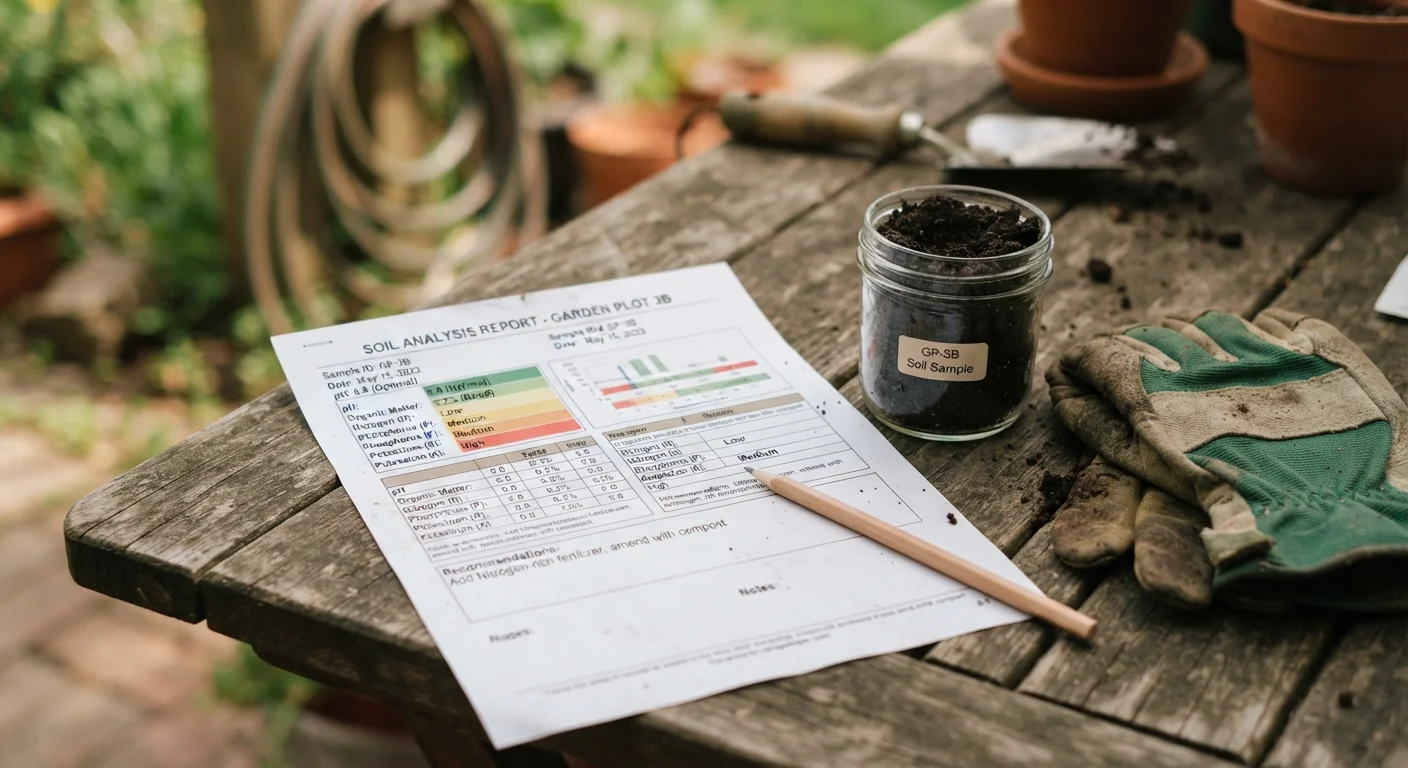
A basic soil test typically measures pH, organic matter levels, and major nutrient content. Many university cooperative extension programs offer affordable testing with local-specific recommendations. Once you have results, our reference on reading a soil test report can help you translate the numbers into action.
How Amendments Fit Into a Broader Garden Strategy
Amendments work best as part of a system, not a one-time fix. Healthy soil develops over several seasons as organic matter builds, structure improves, and microbial communities establish. A single application of compost helps; consistent annual additions transform a bed.
Pairing amendments thoughtfully with other practices compounds the benefit. For instance, well-amended soil with good drainage supports a wider range of plant pairings - a principle explored in our article on companion planting combinations that actually work. Similarly, mulch applied over amended soil slows moisture loss and further protects structure - see mulching done right for coverage and timing guidance.
“Soil health is the foundation of productive gardening. Improving the soil environment - not just adding nutrients - is what allows plants to truly thrive over time.”
— USDA Natural Resources Conservation Service, Federal agency specializing in soil science and conservation
The goal is soil that works with your plants rather than against them - and amendments, used correctly, are the most direct way to get there.