Why Organized Spaces Don't Stay That Way
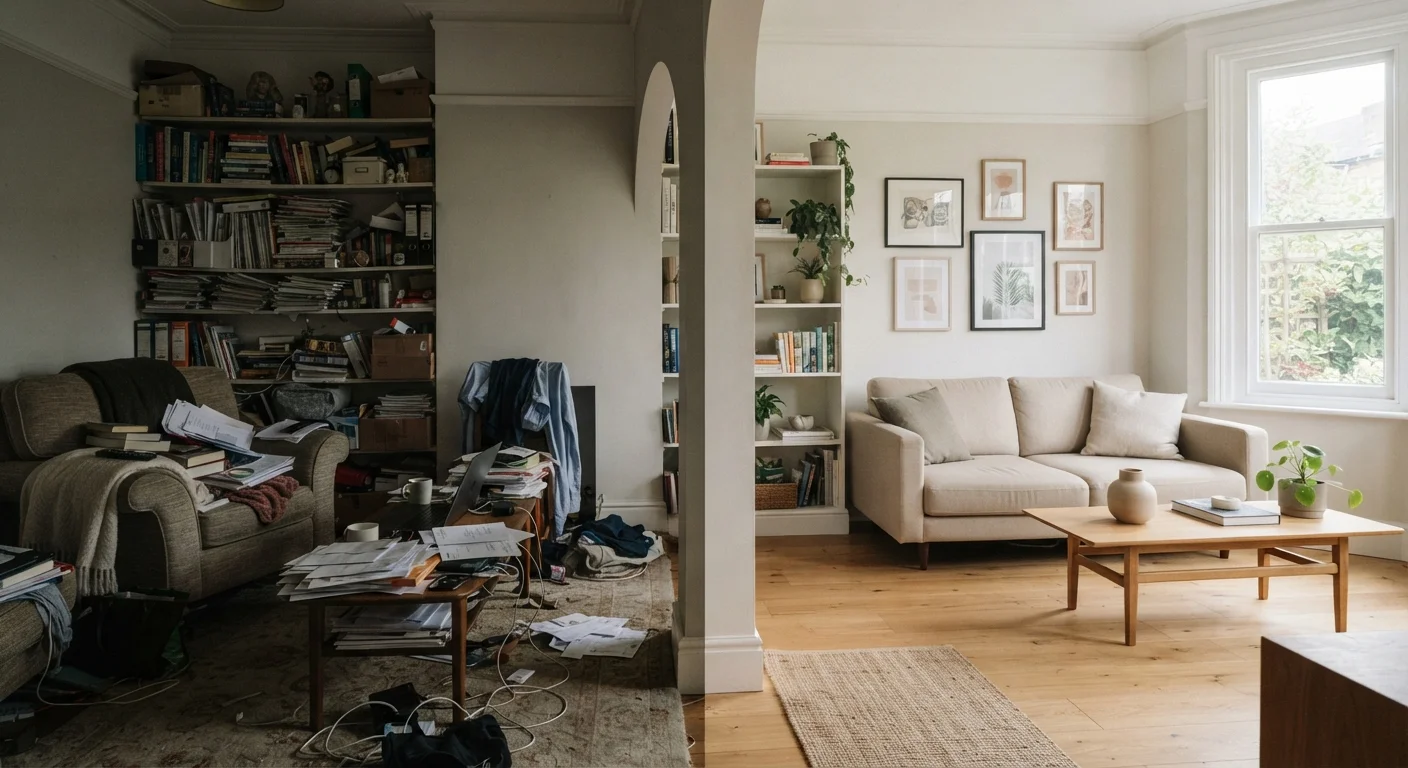
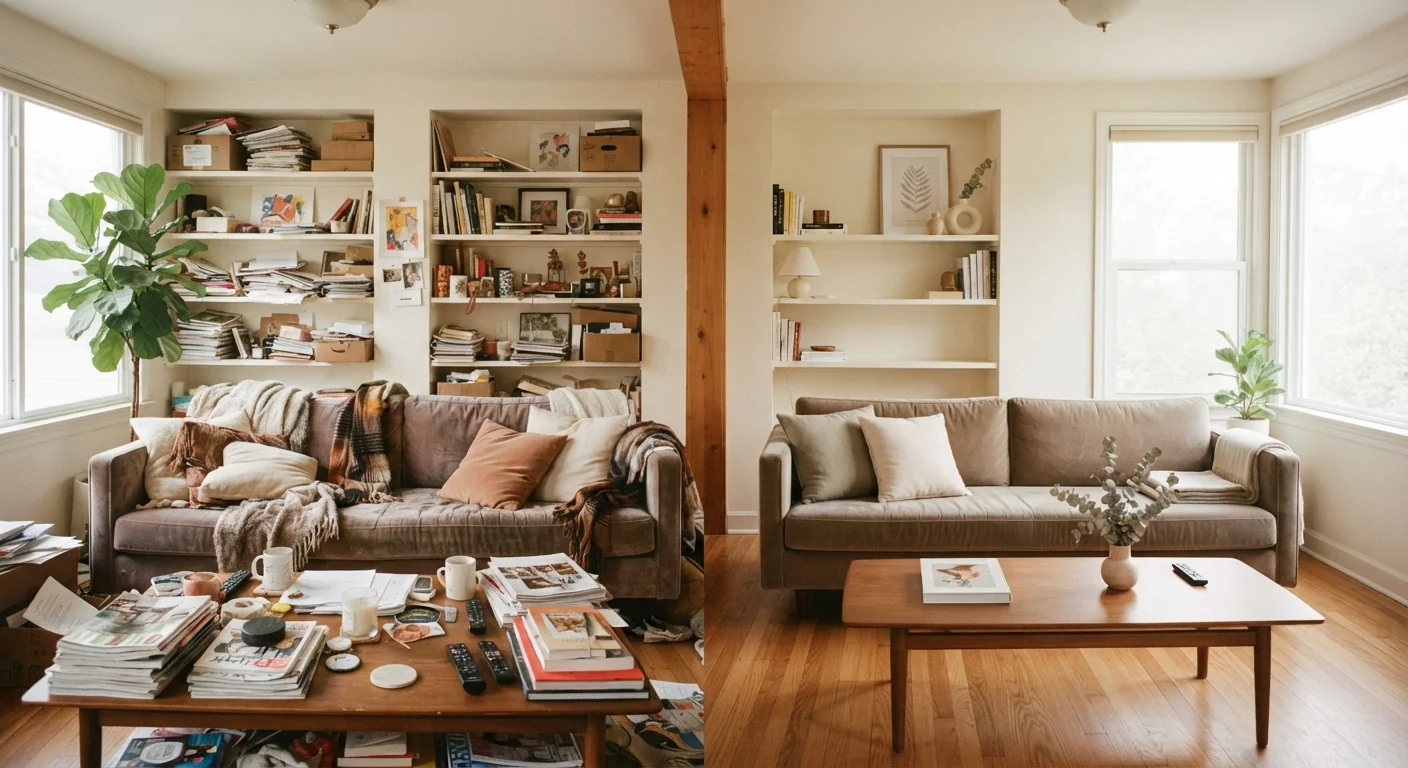
Most people have experienced it: a weekend spent sorting, purging, and neatly arranging a space - only to find it back in disarray within weeks. This cycle isn't a personal failure. It's the predictable result of solving the symptom (visible mess) without addressing the underlying cause (absent or mismatched systems).
Understanding why clutter feels so overwhelming is a useful starting point, but the practical fix requires looking at the specific habits and structural decisions that cause organized spaces to revert. The mistakes below are the most common culprits - and each one is correctable.
Organizing for appearance rather than function.
Why it happens: Inspiration from social media and home design content sets a visual standard - color-coded shelves, uniform containers, perfectly labeled jars. Readers chase that aesthetic rather than asking how the space actually gets used.
Treating organization as a one-time event rather than an ongoing practice.
Why it happens: There's a natural sense of completion after a big decluttering session, which can make maintenance feel unnecessary - at least until the chaos returns.
Buying storage containers before deciding what to keep.
Why it happens: Shopping for organization supplies feels productive and motivating, so many people do it first. The result is containers that don't fit the space or the items being stored.
Failing to assign a specific home for every item.
Why it happens: In the rush to clear surfaces, items get tucked "somewhere logical" rather than given a fixed, consistent location. Over time, no one - including the person who organized - can remember where things belong.
Organizing spaces in isolation, without considering the whole home's flow.
Why it happens: People often tackle one visible problem area - a cluttered closet, a messy drawer - without considering how items move throughout the rest of the home. Solving one zone can displace clutter elsewhere.
Building Organization That Actually Holds
The difference between a space that stays organized and one that doesn't usually comes down to how well the system matches the people using it. Rigid, high-maintenance setups collapse under the weight of real daily life. Flexible, low-friction systems tend to persist.
Organization Systems Must Match Real Behavior
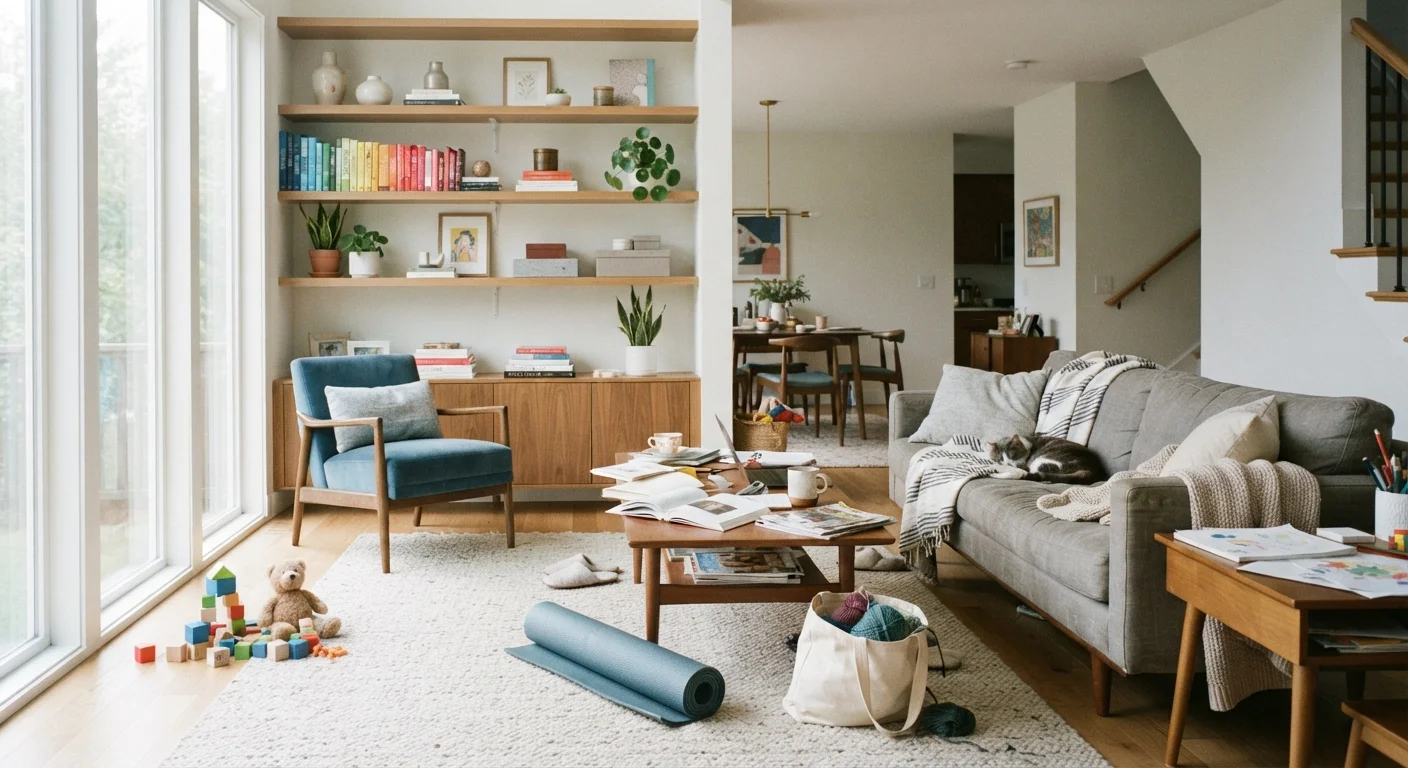
A system that looks ideal on paper will fail if it doesn't fit how your household actually moves through the space. Before committing to a storage approach, observe where things naturally land in your home. Build your organization around those real patterns - not an idealized version of them.
A few principles make a meaningful difference over time. First, prioritize proximity: store items where they're used, not where they fit aesthetically. Second, reduce the steps required to put something away - the more effort return requires, the less often it happens. Third, build in a regular reset rather than waiting for things to deteriorate. If you're working with limited square footage, the organization principles built for compact homes translate well to any size space.
Don't Skip the Declutter Step
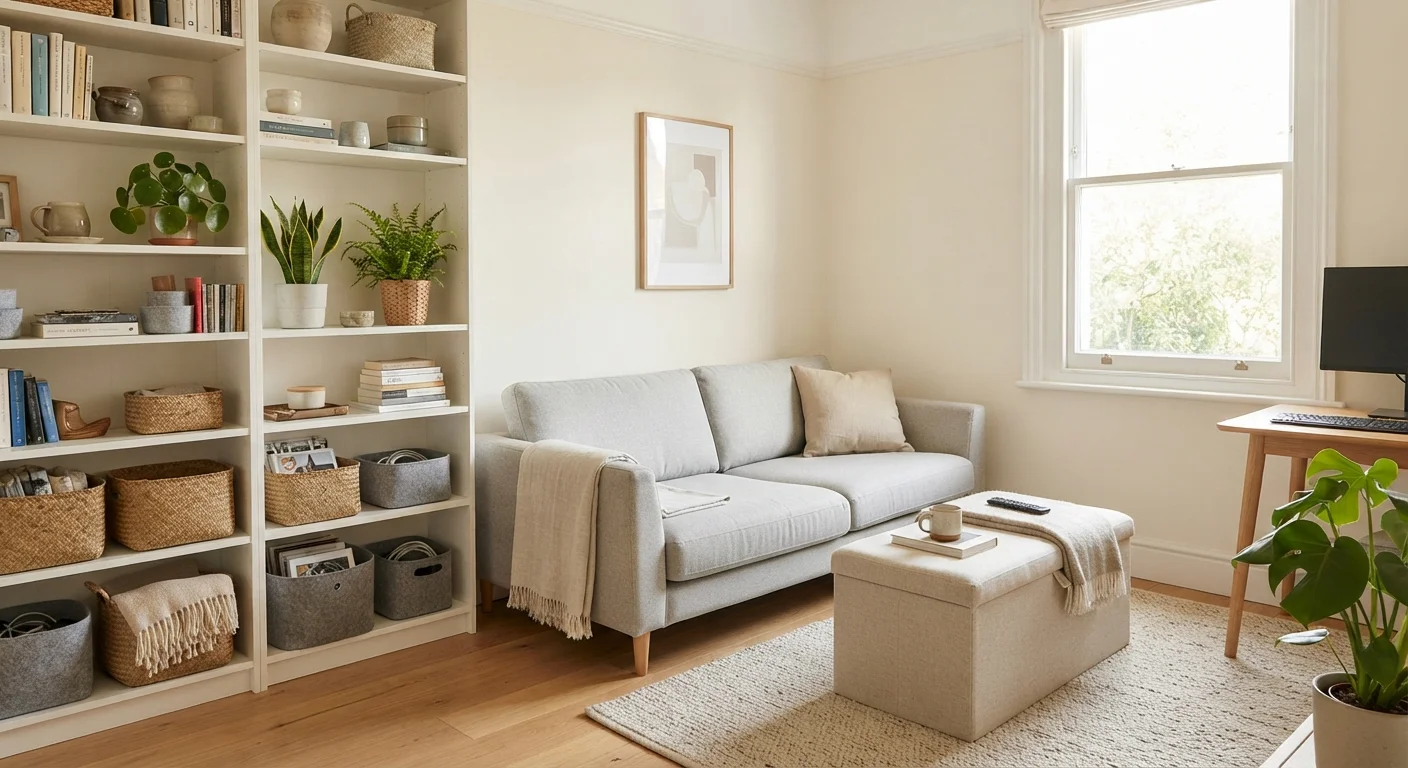
Purchasing bins, baskets, and organizers before removing unnecessary items is one of the fastest ways to waste money and effort. Storage only manages volume - it doesn't reduce it. Declutter first, then assess what containers you actually need. This sequence matters far more than the containers themselves.
It's also worth recognizing that disorganization carries real costs beyond visual frustration. The hidden costs of disorganization - in time, money, and mental energy - give additional motivation to move past quick fixes and build something more durable. For those just starting out, this beginner's guide to home organization offers a practical entry point. And if a specific area like your kitchen storage keeps slipping, pantry organization principles that hold up over time are worth reviewing separately.
80%
Of clutter is caused by disorganization, not lack of space
According to estimates cited by professional organizers, the majority of household clutter stems from absent systems rather than insufficient square footage.
~30 min
Average time lost daily searching for misplaced items
Research on household productivity suggests adults spend significant time each day locating items that lack a consistent storage location.